
If you’ve been researching a yoga retreat in Rishikesh, you’ve probably noticed something strange. Every month, someone says it’s the “best time to visit Rishikesh.” March? Perfect. December? Also perfect but is this a valid answer? Let’s understand this from a completely different perspective
It gets confusing and honestly when we ask the question about the best time to visit Rishikesh, people have different opinions. Truthfully, there is no single perfect month for everyone but there is a perfect time. We will break it down for you without any tourist brochure fluff.
“According to data from the India Meteorological Department, Rishikesh receives nearly 80% of its annual rainfall between June and September. That means the rest of the year, outdoor yoga is actually reliable”
Choosing the Right Season to Visit Rishikesh for Yoga
Instead of looking for a single "perfect" month, think in terms of seasons. Each season in Rishikesh offers a different energy.
- Spring (Feb–April) brings mild temperatures and clear skies, ideal for long hours of asana practice.
- Autumn (Oct–mid-Nov) offers crisp air and post-monsoon greenery.
- Summer (May–June) is hot but less crowded.
- Winter (Dec–Jan) is cold and quiet.
Your body type, tolerance for heat or cold, and the intensity of your practice should guide your choice. Ask yourself: Do I want to sweat less? Do I need silence? Do I plan to do a full teacher training? The right season answers these questions better than any single month.
Best Time to Visit for a Yoga Retreat
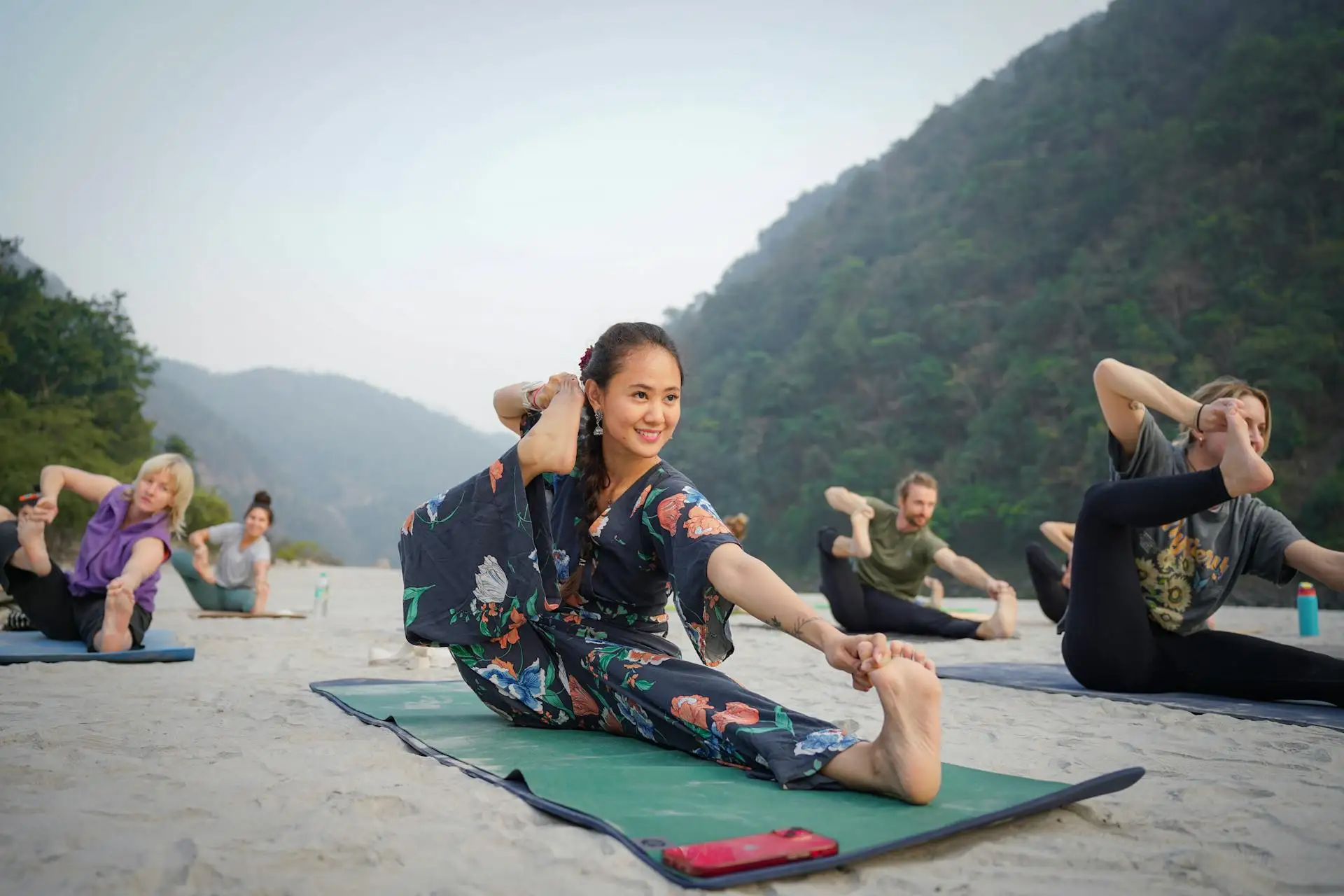
If your goal is a 5-to-10-day yoga retreat where you can fully immerse without distractions, aim for late February to early April or late October to mid-November. During these windows, the weather supports long morning practices without overheating or shivering. Retreat centers are operational at full capacity, and outdoor meditation by the Ganges is actually comfortable. Avoid peak summer (May–June) for retreats if you dislike heat, and avoid monsoon (July–September) if you want uninterrupted outdoor sessions.
For a retreat focused on relaxation and self-care, autumn is especially recommended because the air feels light and clean after the rains.
First, Why Rishikesh Is Different
Unlike a beach vacation or a mountain trek, your yoga practice is sensitive to weather, crowd noise, and even the length of daylight. In Rishikesh, authentic ashrams and schools may or may not have air conditioning in yoga halls. They rely on natural ventilation to create a more natural environment.
Also, the energy of the city changes dramatically with seasons. In peak tourist months, you’ll hear chants and honking horns. In the off-season, you might get a whole rooftop to yourself for meditation. This is also part of what makes Rishikesh the yoga capital of the world.
So let’s forget the generic best time to visit Rishikesh with family advice. That’s for river rafting and sightseeing. For yoga, it’s a different game.
The Sweet Spot: Late February to Early April
If we have to pick just one window for a serious yoga retreat, early April is ideal.
- Temperature: 15°C to 28°C (pleasant during the day, cool at night)
- Crowd: Moderate and the post-Christmas and New Year rush is gone. In addition, the summer break hasn’t started.
- Air quality: Clean, with occasional light breeze from the Himalayas
We’ve seen students arrive in early March and literally say, “I didn’t know my body could feel this light.” The cool mornings are perfect for pranayama. By the time you reach asanas, the sun is warm but not punishing. And the Ganges? Still crisp but not freezing.
For most people late winter to early spring is a genuine option and one of the best times to visit Rishikesh for yoga whether you’re a beginner or a teacher trainee.
The Hidden Gem: October to Mid-November
Right after the monsoon, Rishikesh becomes lush, green, and surprisingly quiet. Most guides will tell you “September to November is good.” But let’s get specific.
- Early October can still be humid. The ground takes time to dry after heavy rains.
- Late October to mid-November that’s gold, you can go there.
During these weeks the humidity drops, the sky is often clear, and the famous International Yoga Festival is still months away (so no price hikes).
One thing to note: Diwali (October/November) lights up the city beautifully, but it also brings firecracker noise until late. If you’re sensitive to sound during evening meditation, plan around the exact dates.
What About the “Avoid” Seasons?
Let us be honest, not harsh.
Mid-June to August – This is the best time to visit Rishikesh only if you love humidity, leeches on mountain trails, and practicing in a room that feels like a warm towel. Many smaller yoga schools close or move to minimal schedules. Also, the river becomes muddy and fast which is not ideal for outdoor meditation.
December to mid-January – It’s cold. Not Europe cold, but 4°C to 8°C in the morning cold. Can you practice? Yes. Will you enjoy waking up at 5 AM for Surya Namaskar? Probably not. Unless you’re a very disciplined practitioner, this is not the best time to visit Rishikesh India for a first retreat. If you’re still considering it, it helps to understand the importance of yoga in daily life so your commitment carries you through even the coldest mornings.
One Fact That Might Surprise You
People often also ask, what is the best time to visit Rishikesh for yoga teacher training? The answer from most experienced schools is actually February and March. Why? Because the 200-hour and 300-hour training require long hours of practice, theory, and adjustment. You don’t want to be exhausted by heat or shivering during philosophy class. The moderate spring climate keeps your mind sharp and body willing.
If you’re still deciding between programs, here’s a deeper look at what to expect in a 200-hour yoga teacher training in Rishikesh. It covers the daily schedule, coursework, and how weather factors into the overall experience.
How to Choose for Your Body Type
This is where I break from generic lists. Your ideal time depends on you:
- You run hot (always feel warm)- Come from late October to March. Avoid April-June.
- You feel cold easily- Late February to early May is your safest window.
- You have respiratory issues (asthma, allergies)- Avoid post-monsoon (Sept) when mold and dust are stirred up. October-end or February is better.
- You want silence, not a social scene- January (post-New Year) or August (off-season) but pack warm or prepare for rain.
Practical Schedule if You’re Confused
Let’s say you’re booking a 7-day retreat. Here’s what you can do
- Morning practice (6 AM): Cool and peaceful. Best for breathwork.
- Mid-day (12 PM): Rest or self-study. Avoid the strong sun between 12-3 PM if you’re here in April/May.
- Evening practice (4 PM): Perfect in all seasons except peak winter (gets dark and cold fast after 5:30 PM)
If you’re newer to the practice, it’s also worth exploring beginner yoga classes in Rishikesh to find the right format before committing to a full retreat schedule.
The difference between February and March is tiny compared to the difference between showing up with an open mind vs a strict checklist.
Last Word – From Practice, Not Theory
We’ve seen people arrive in “perfect” weather and not enjoy it because they didn’t sleep well, ate heavy food, or expected a luxury spa. Moreover, we’ve also seen others come in a light drizzle of July and have a breakthrough on the mat.
So here’s our honest advice as a yoga expert, not a travel agent:
If you want the best time to visit Rishikesh for yoga on paper – aim for late February to early April or late October to mid-November. But more importantly, come when you can stay for at least 5-7 days. Because the first two days are just your body arriving. The magic starts on day three.
And when you finally sit by the Ganges at sunrise, you won’t check the temperature. You’ll just know you came at the right time and at the right place for the right reason.
FAQ
It depends on your goal and comfort level. If you ask ten different yoga schools, you'll get ten different answers. But if you want my honest take, the best time to visit Rishikesh for yoga is either late February to early April or late October to mid-November. The weather is mild, the Ganges is beautiful, and you won't be dripping sweat or shivering through your morning pranayama.
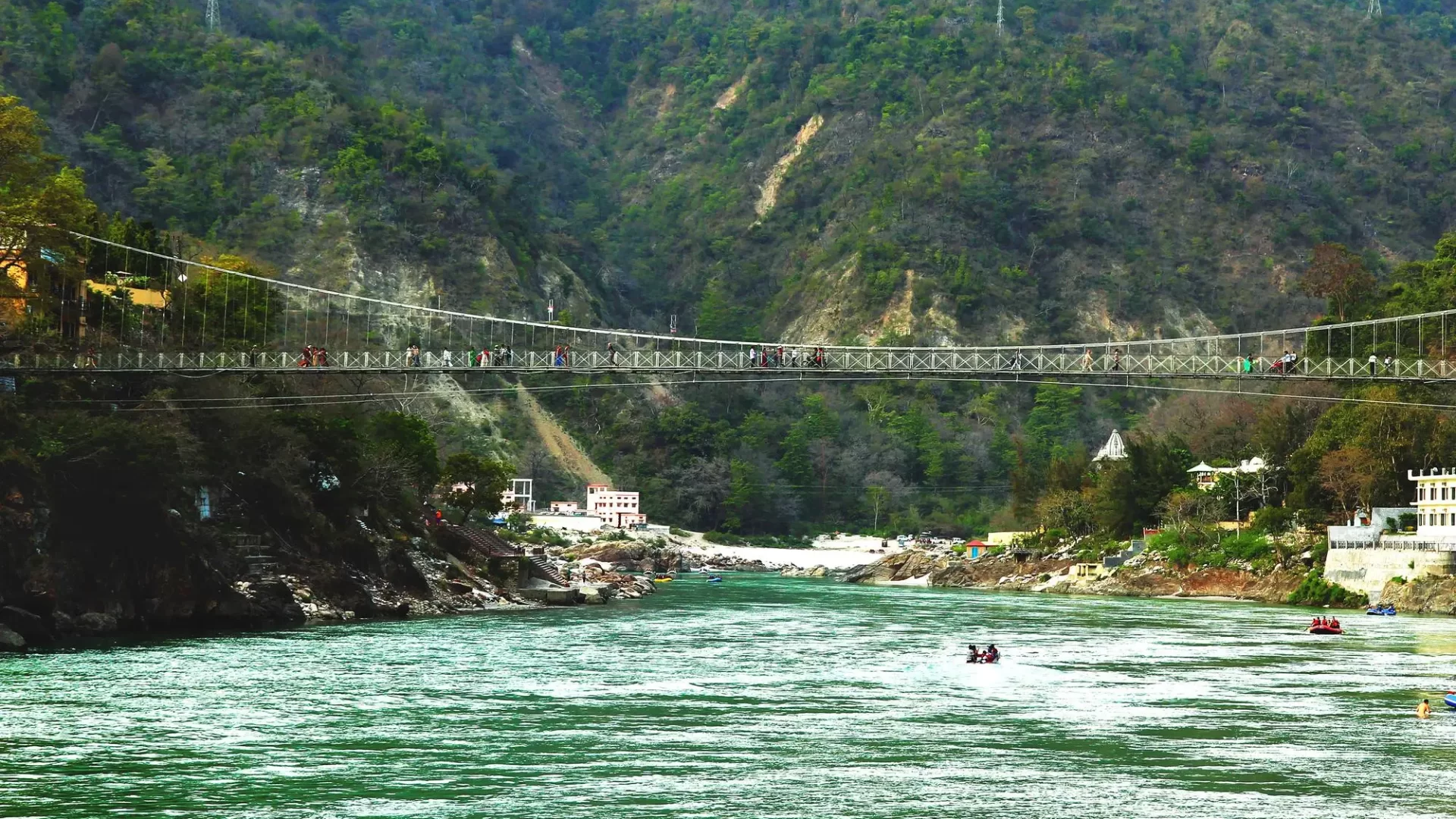
Families have different needs than solo yogis. The best time to visit Rishikesh with family is usually October to November. Why? Because the monsoon is gone, the weather is dry and pleasant, and kids can actually enjoy outdoor things like the riverfront, the hanging bridge, and even short treks without getting heatstroke or drenched. But if you are looking to find the answer of “ what is the best time to visit rishikesh for yoga with family” then the single best month is March
Mid-June to mid-September is tough. Heavy rain, slippery paths, and mosquitoes. So if you're searching online "what is the best time to visit Rishikesh India" and you see someone recommending July, ask them if they've actually done yoga there in July. The answer is usually no. For most people, the best time to visit Rishikesh India is spring or autumn.
The best time to visit Rishikesh India is either spring (Feb–April) or autumn (Oct–mid-Nov). Summer is too hot, monsoon is too wet, and winter mornings are cold. Come in spring or fall, and you'll actually enjoy waking up at 5 AM for practice. And once you're there, exploring the top yoga styles taught in Rishikesh will help you choose the right class or retreat format for your level and goals.
Pack light cotton layers for spring/autumn, plus a shawl for cool mornings. For winter (Dec–Jan), add thermals and woolen socks. For summer (May–June), bring breathable, sweat-wicking clothes. Don't forget a mat, sunscreen, insect repellent, earplugs, and comfortable footwear.