
10 ways yoga is important in daily life:
Yoga matters in daily life because it works on the body, mind, and nervous system at the same time. No other single practice does all three simultaneously. The compound effect of daily practice, ten minutes of pranayama, thirty minutes of movement, five minutes of stillness, adds up to something that is difficult to explain to someone who has not experienced it, and unnecessary to explain to someone who has. |
Most people know yoga is good for them. What they are less sure about is what it actually does to the body and mind, and whether the benefits are real or just something people say. So instead of listing abstract benefits, this article breaks down exactly what changes, how it happens, and roughly how long it takes to show up.
For a deeper breakdown with clinical citations, see 12 benefits of yoga backed by science
What Does Yoga Actually Do? 10 Real Changes You Will Notice in Daily Life
1. Physical Health and Flexibility
Yoga improves physical health by building muscle strength, increasing joint mobility, and correcting posture through regular asana practice. Most exercise routines work the big muscles and skip everything else. Asana does not. It gets into the smaller stabilising muscles, works through the connective tissue, and over time, the body just moves better.
The changes show up in simple ways. Touching your toes. Sitting through a workday without lower back pain creeping in. Standing straighter without reminding yourself. People around you notice the posture shift before you do. Usually within two to three weeks.
2. Mental Clarity and Focus
Yoga improves mental clarity by training the mind to stay present through the combination of breath and movement. Pranayama regulates the prefrontal cortex directly, which is the part responsible for focus and decision-making. When that is working properly, thinking feels less like effort.
Tasks take less time. Decisions stop feeling so draining. The mental noise does not disappear, but it stops being in charge. Most people feel this shift somewhere between ten and fourteen days of morning pranayama. It is subtle at first and then suddenly very obvious.
3. Stress Reduction
Yoga reduces stress by activating the parasympathetic nervous system, the body's built-in mechanism for coming down from high alert. Extended exhale breathing triggers the vagal brake, slowing the heart rate and pulling cortisol down. A 2024 study in Scientific Reports confirmed that a single session of meditative Hatha yoga significantly reduced salivary cortisol levels compared to pre-session measurements.
The physical signs come first. Jaw unclenched. Shoulders dropped. Small irritations stop feeling like emergencies. Most people notice the tension reducing within the first week, sometimes earlier than that.
4. Emotional Balance
Yoga develops emotional balance by building the gap between feeling something and reacting to it. Meditation trains the ability to observe what is happening internally without being dragged by it. That is the whole practice. And it transfers into real life very directly.
Conversations that used to turn into arguments often do not anymore. Frustrations that used to wreck the afternoon pass in ten minutes. The reactions are still there, they just stop being automatic. The first month is subtle. After around three months, it becomes something other people start noticing in you.
5. Stronger Immune Function
Yoga strengthens immune function by reducing the chronic inflammation that suppresses the immune system over time. Stress is one of the main drivers of inflammation. Bring the stress response down consistently and the inflammatory markers follow. Multiple studies on PubMed Central link regular yoga practice to measurable improvements in immune cell activity.
Practically it means fewer colds. Faster recovery when you do fall sick. Do not expect to see this one in the first few weeks. It takes two to three months of consistent practice to show up properly.
6. Mind-Body Connection
Yoga builds mind-body awareness by training the nervous system to read the body's signals accurately. Asana forces sustained attention on physical sensation. You cannot hold a balance pose while your mind is somewhere else entirely. That quality of attention, practiced daily, becomes a habit.
You start catching tightness in the neck before it becomes a headache. Noticing genuine hunger before it turns into mindless eating. It is a kind of body literacy that most people were never taught anywhere. Starts developing within the first two to three weeks and keeps getting sharper.
7. Self-Discovery and Personal Growth
Yoga supports self-discovery by providing a structured framework for examining who you are and what actually matters to you. The 8 limbs of yoga are that framework, starting with the Yamas and Niyamas, ethical principles that act as a mirror for how you actually live day to day.
It is hard to describe this one with a clean before and after. Decisions start coming from a different place. Less habit, less pressure from others, more genuine intention behind the choices. Most people begin noticing it after six months or more. It is slow and then all at once.
8. Better Sleep Quality
Yoga improves sleep quality by calming the nervous system before bed through evening practice and yoga nidra. Parasympathetic activation before sleep reduces the time it takes to fall asleep and increases how deep that sleep actually is.
One of the first signs is feeling genuinely tired at a normal hour. Sounds simple but a lot of people have not felt that in years. Waking up before the alarm, actually rested, comes next. Most people notice the sleep shift within one to two weeks of a consistent evening practice.
9. Sense of Community
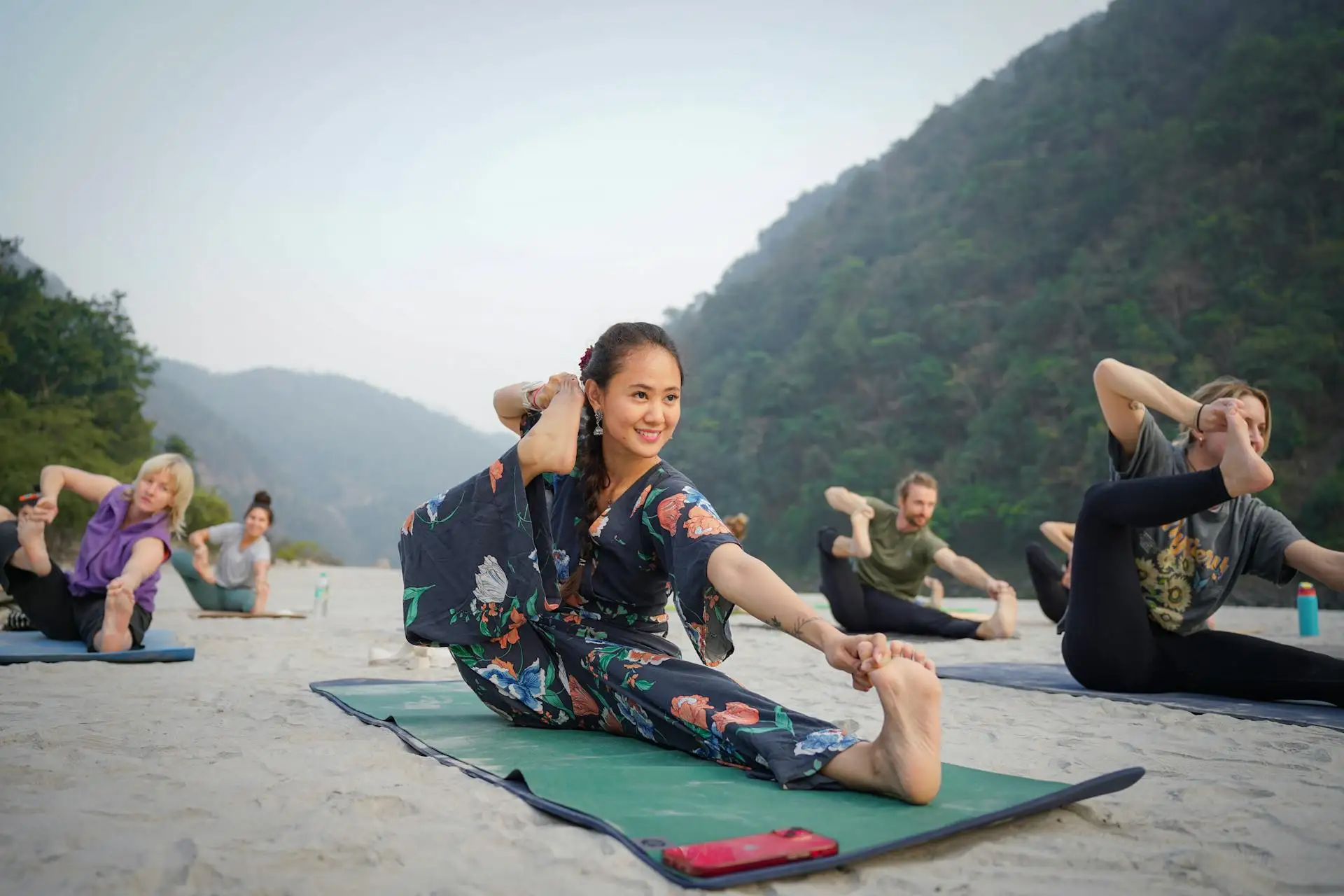
Yoga creates a sense of community through the shared experience of practice, and it builds faster than most people expect. Something about doing something physically and mentally demanding alongside others creates trust without needing much time. It is not a forced thing. It just happens naturally.
Friendships from a yoga class or a teacher training tend to last. There is substance behind them. This is one of the fastest benefits on the list. It starts in the first few sessions, sometimes the very first one.
10. Mindful and Sustainable Living
Yoga encourages mindful daily choices by gradually shifting behaviour through the philosophical framework of non-harm and non-grasping. Ahimsa and Aparigraha do not announce themselves loudly. They just quietly start influencing how you spend, eat, react, and relate to the people around you.
Less impulsive spending. More deliberate choices around food. A loosening of the grip on things that used to feel urgent. Nobody transforms overnight. But three to six months in, the way you move through daily life is noticeably different. Quieter. More considered.
What Does a Full Yoga Daily Routine Actually Look Like?
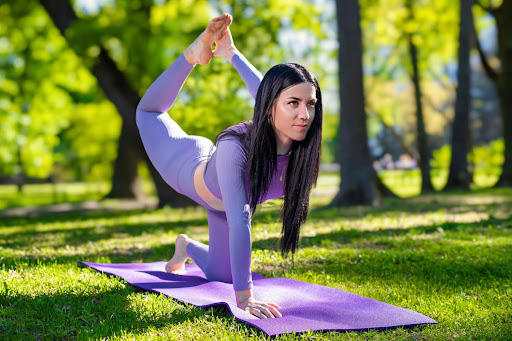
Most articles tell you yoga is important in daily life without showing you what that actually looks like. Here is a real yoga daily routine drawn from the TTC schedule at Yog School India in Rishikesh, where students live this routine for 28 consecutive days straight.
| Time | Practice | What It Does in Your Daily Life |
|---|---|---|
| 5:45 am | Wake up | Body rested, not rushed into activity before the mind is clear |
| 6:00 am | Pranayama (30 min) | Anulom Vilom and Kapalbhati regulate the nervous system before the day begins |
| 6:30 am | Meditation (30 min) | Trataka or silent sitting builds concentration that carries through the whole day |
| 7:30 am | Asana practice (90 min) | Hatha or Ashtanga covers physical health, flexibility, strength, and posture correction |
| 9:30 am | Breakfast | Sattvic vegetarian food supports the practice. What you eat is part of the routine. |
| 11:00 am | Yoga philosophy class | Understanding the why behind each practice, the 8 limbs, the Yamas, the Niyamas |
| 1:00 pm | Lunch and rest | Digestion and integration. Rest is not optional here, it is part of the practice. |
| 3:30 pm | Anatomy or workshop | Understanding the body from the inside, injury prevention and alignment |
| 5:00 pm | Evening asana or yin | Slower practice that releases the physical tension built up through the day |
| 7:00 pm | Dinner and free time | Community, reflection, journaling. Unstructured time is also part of the routine. |
| 9:30 pm | Sleep | Consistent sleep time is itself a yogic practice, not an afterthought |
You do not need all of this to see results. Even the first two items, pranayama and meditation before 7 am, will change how the rest of your day feels within two weeks.
How Quickly Does Yoga Change Your Daily Life?
Nobody wants a vague answer to this. So here is an honest breakdown of what actually changes and roughly when, assuming you are practicing daily and not just showing up once a week.
After 1 week: Physical tension reduces. Sleep improves. You feel genuinely tired earlier in the evening.
After 2 weeks: Morning pranayama starts to feel natural rather than forced. Focus during the day is noticeably sharper.
After 1 month: Posture changes visibly. People around you notice before you do. Flexibility has clearly improved.
After 2 to 3 months: Emotional reactivity reduces. The stress response starts feeling different, less automatic, less consuming.
After 3 to 6 months: Immune function, sleep quality, and energy levels begin compounding on each other.
After 6 months and beyond: The shifts become philosophical. How you see yourself, what you actually want, how you treat the people around you.
These timelines assume consistent daily practice, not occasional sessions. Ten minutes every day produces more change than sixty minutes once a week. That is not motivational language. It is just how the nervous system adapts.
What Happens When You Practice Yoga in Rishikesh Specifically
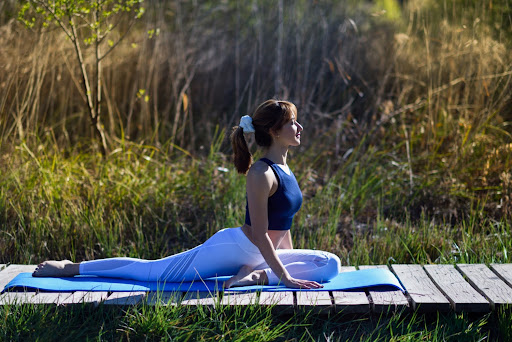
There are places where a practice deepens faster than it would anywhere else. Rishikesh is one of them. Not because of the mountains or the river, but because of something more practical than that.
The environment removes the friction that kills consistency at home.
At home, there is always something. Work, family, the phone, the general noise of daily life. In Rishikesh that friction disappears. The practice becomes the daily life. There is nothing competing with it. Twenty eight days of living that routine does something that a year of trying to maintain it solo at home simply cannot replicate.
The teachers here come from a living tradition.
Not a weekend certification, not a fitness qualification with yoga added on. What they teach about the importance of yoga in daily life comes from decades of actual practice. That difference shows up in how they teach and what they know. You feel it within the first few days.
The people around you change what is possible.
Practicing alongside ten to fourteen people who are all taking it seriously creates conditions that solo practice cannot manufacture. The standard rises naturally. The commitment holds more easily. For women considering the trip alone, here is everything worth knowing about travelling solo to Rishikesh as a woman before making the decision.
Taking It Further: From Daily Practice to Deeper Study
Not everyone who reads this is ready to book a flight to Rishikesh. That is fine. There are three honest entry points depending on where you are right now.
Start at home.
Anulom Vilom and extended exhale breathing. Ten minutes every morning before you look at your phone. Nothing else is required to begin. No equipment, no class, no prior experience. Just that, done consistently, and the difference shows up faster than most people expect.
Experience it properly.
Home practice has real limits. The posture corrections do not happen. The deeper techniques do not get taught. A week or two in Rishikesh with a structured programme changes things in ways that are genuinely difficult to replicate alone. If you are considering it, start by figuring out which school is the right fit before anything else. Once that is clear, finding the right beginner programme becomes straightforward.
Go all the way.
The 200-hour yoga teacher training in Rishikesh covers every element of the daily routine in the table above, taught in depth over 28 days. Most people who do it do not become teachers. They come because they want the complete picture and they want it properly.
FAQs: Importance of Yoga in Our Daily Life
Most things you do for your health target one area. Exercise works the body. Therapy works the mind. Medication manages symptoms. Yoga is one of the few practices that works on all three at the same time, and done consistently, even in small amounts, the compound effect of that is significant.
Three things. Pranayama sorts the nervous system. Asana keeps the body functional. Meditation makes the mind less chaotic. You do not need all three from day one. Most people start with just the breathing and already notice a difference within two weeks.
Sleep and physical tension usually shift within the first two weeks. Emotional steadiness takes longer; most people feel it somewhere around the two to three month mark. The bigger changes in how you think and what matters to you, those settle in closer to six months. All of this with daily practice though, not an occasional session here and there.
Genuinely yes. A short morning pranayama done every day will build more than a long session done once a week. The body responds to regularity far more than it responds to duration. Most people figure this out after trying both.
Morning, before the day takes over. The quality of practice before breakfast and before the phone is different from anything later in the day. Evening works well specifically for sleep. But if there is only one slot, morning is the one worth keeping.
The Bottom Line
Yoga’s importance in daily life is not something that makes sense on paper the same way it does in practice. The theory is straightforward enough. Better sleep, less stress, clearer thinking, stronger body. But the actual experience of it, the way those things compound on each other over months of consistent practice, is something different altogether.
It does not require hours. Ten minutes of breathing, thirty minutes of movement, five minutes of stillness. Done daily, that is enough to change things in ways that are difficult to articulate to someone who has not felt it, and completely unnecessary to articulate to someone who has.
If you want to experience what a full yoga daily routine actually feels like, Yog School India in Rishikesh runs beginner programmes every month for students with no prior experience