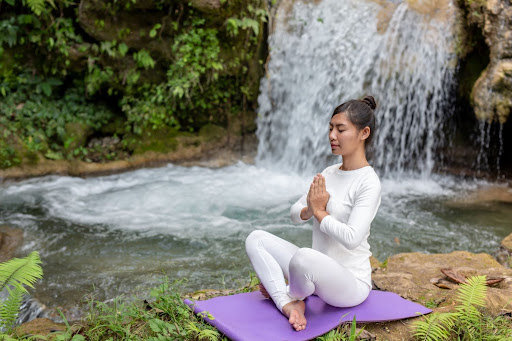
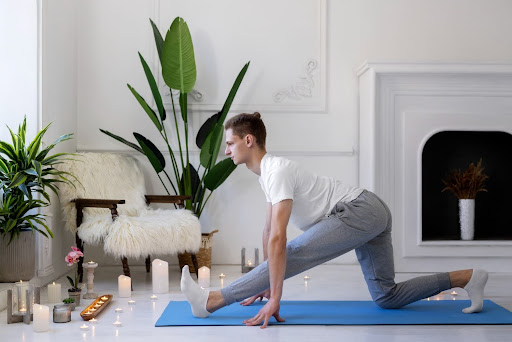

You don’t need a fancy studio membership or expensive clothes. You don’t even need a teacher standing next to you. What you need is an honest starting point. Let’s talk about how to start yoga at home without the confusion, the overwhelm, or the guilt of quitting after three days.
Step 1: Forget the Perfect Setup
Many people never begin because they think they need a special mat, a quiet room, or the right time of day..
Here is what you actually need: a clean floor space about the size of a bedsheet. A carpet works. A rug works. Even a towel over a hard floor works for the first week.
The idea of how to start yoga for beginners at home becomes simple once you remove the shopping list from the equation. You do not buy your way into consistency.
Step 2: Pick a Time That Already Exists in Your Day
Do not invent a new schedule. Look at your current day and find ten minutes that are already empty.
- Right after you brush your teeth in the morning
- While waiting for coffee to brew
- Before your evening shower
That ten minutes is your yoga practice time.
This is the single most practical advice for anyone learning how to start doing yoga at home. When you aim for ten minutes, you show up. When you aim for an hour, you make excuses.
Step 3: Learn Three Postures First. Not Thirty.
A common mistake is watching a forty-minute YouTube video and trying to remember every move. That leads to frustration.
Instead, learn three foundational postures for the first two weeks:
- Mountain pose – standing tall, feet grounded, hands at sides. Teaches posture awareness.
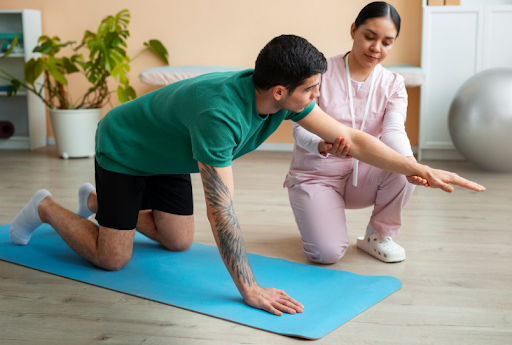
- Cat and cow – on hands and knees, moving spine with breath. Wakes up the back.
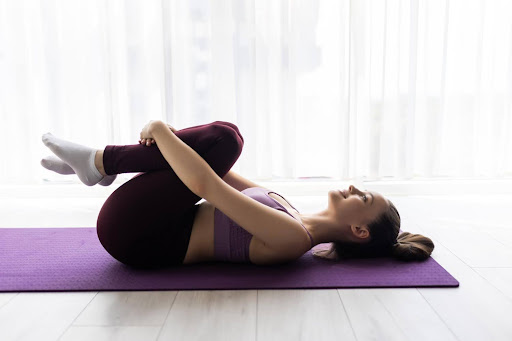
- Child’s pose – kneeling, forehead to floor. A resting posture you return to anytime.
Repeat these three for five to ten minutes daily. Once they feel natural, add one more. This approach answers how to start basic yoga at home without overwhelming your body or your memory. If you want to go deeper into structured postures, exploring sitting yoga postures and their benefits is a natural next step once these basics feel comfortable.
Step 4: Breathe on Purpose, Not as an Afterthought
Yoga without breath is just stretching with a fancy name. Before you move, take three slow breaths. Notice where your shoulders are. Usually, they are up near your ears. Drop the shoulders and exhale longer than you inhale.
If you are also wondering about how to start yoga and meditation at home, this is the bridge. The breath is the meditation. You do not need to sit cross-legged for twenty minutes. Just breathe consciously while you move. To go further with this, a beginner-friendly breakdown of pranayama techniques will show you exactly how to use breathwork as a standalone daily practice.
According to a study published in the Journal of Behavioral Medicine, regular home-based yoga practice of even 10 minutes daily showed measurable reduction in perceived stress within three weeks.
Step 5: Do Not Chase Weight Loss. Chase Consistency.
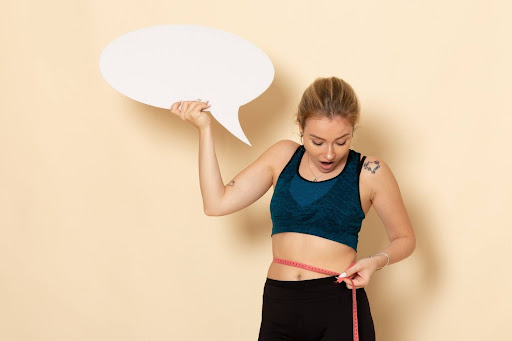
Let us address the question many search for: how to start yoga at home for weight loss.
Here is the honest answer. Yoga alone, especially gentle or beginner yoga, burns fewer calories than running or cycling. But that misses the point. What yoga does is change your relationship with your body. You start eating when you are hungry, not bored. You sleep better and you move more during the day because your body feels good.
Weight loss, if it happens, is a side effect. The main effect is discipline and self-awareness. The science-backed benefits of yoga go well beyond calories from hormonal balance to improved sleep quality which is why consistency matters far more than intensity. For those who want to accelerate this transformation from the inside out, an Ayurvedic yoga retreat combines personalized diet, detox, and daily practice in a way that home sessions alone cannot replicate. So do not start yoga only to lose weight. Start it to feel better. The rest follows slowly.
Step 6: Remove Judgment from the First Month
Your hamstrings are tight. Your balance wobbles. You cannot touch your toes.
Good. That is exactly where you should be. Anyone serious about how to start learning yoga at home must accept that the first thirty days are awkward. Your body is unlocking patterns it held for years. Do not call it failure, call it unwinding.
Understanding the importance of yoga in daily life not just on the mat but in how you think, eat, and rest helps you stay committed through those early uncomfortable weeks.
And when you feel ready to move beyond self-study, a 100-hour yoga teacher training is one of the most structured ways to deepen your foundation without the full commitment of a longer program.
Step 7: Mark the Keywords That Actually Matter
When people search how to start a yoga practice at home, they are really asking one question: Can I do this without messing up?
Yes. You cannot mess up. The only wrong way to start is to not start. Every other way is correct.
Once your home practice feels steady and you want more structure, guidance, or accountability, learning how to choose the right yoga style can help you decide whether to stay home or take the next step toward a class or retreat.
Conclusion About How to Start Yoga at Home
You do not need to be flexible. You do not need to be calm. You do not need to wake up at 5 AM, you just need to place your feet on the floor, take one breath with intention, and move a little.
That is how to start yoga at home for beginners. Not with a transformation. With a single ordinary action repeated until it becomes invisible. Then one morning, without realizing when it happened, you will find yourself looking forward to those ten minutes. And that is when the real practice begins.
If that moment comes and you feel ready to go deeper, reading about the mental health benefits of yoga will remind you just how much this practice is quietly doing for you beneath the surface.
And if you’re looking for structured guidance to take your practice further, Yog School India offers programs built for exactly this moment when home practice has given you the foundation and you’re ready for what’s next.
FAQ
Clear a small floor space. No mat needed. Start with five minutes of deep breathing and two simple stretches.
Yes, tightness is normal. Flexibility comes from practice. Start with the child's pose and standing stretches.
Trying to do too much. Ten minutes daily beats one hour once a week. Start small and stay consistent.