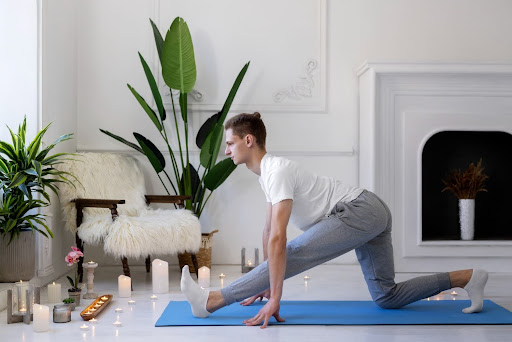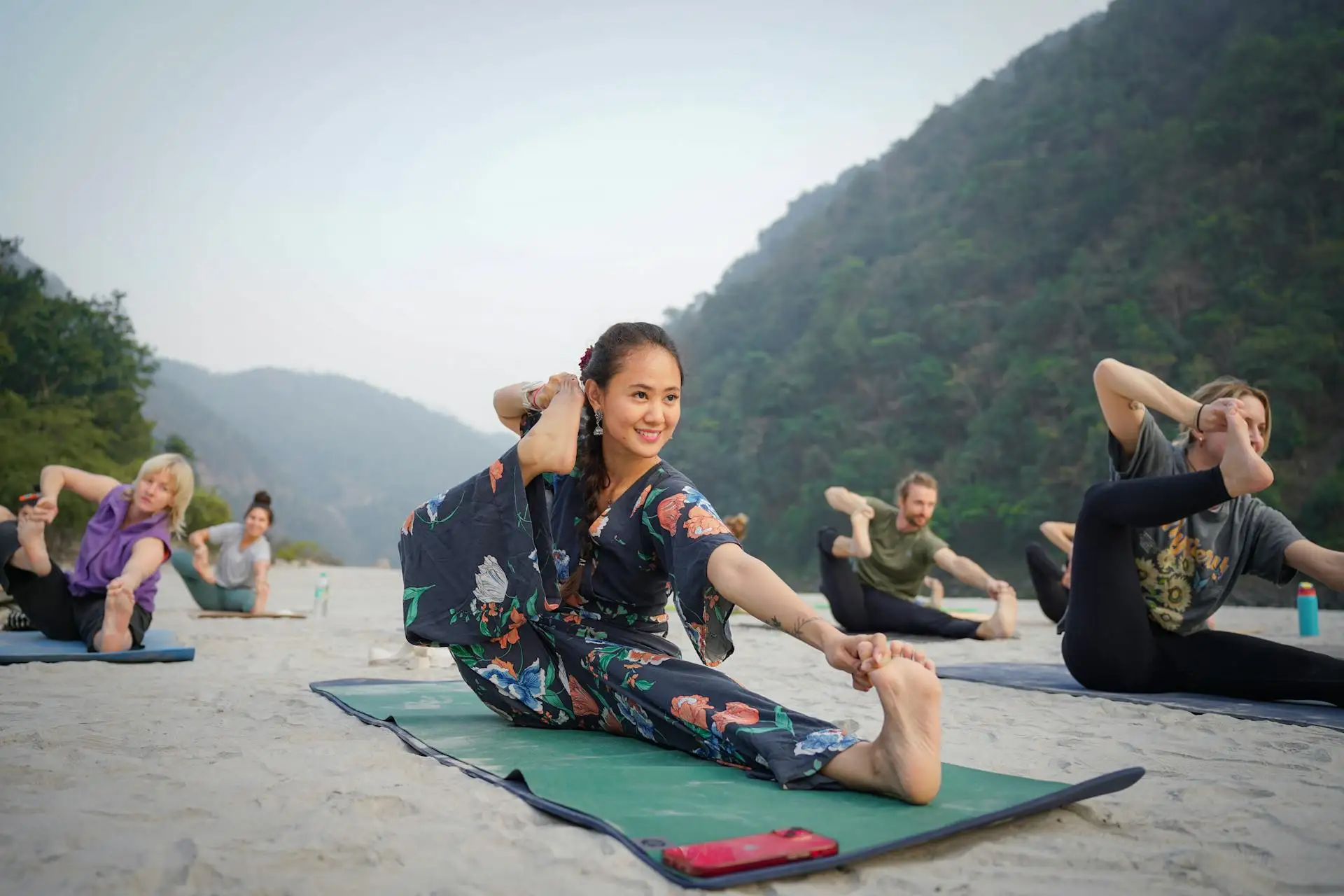

Not every yoga style works the same way. Hatha builds a foundation. Ashtanga demands discipline. Vinyasa keeps moving. Kundalini works from the inside out. Yin slows everything down. Rishikesh teaches all of them, and choosing the right one before you arrive saves a lot of time once you get here. This guide covers what each style actually involves, who it suits, and how to decide.
Why Rishikesh Is the Best Place to Learn Yoga Styles Authentically
Most yoga styles being taught around the world today trace back to Rishikesh in some form. Swami Sivananda built the first structured yoga curriculum here in 1936. The teachers who came after him took that model and spread it globally. What that means practically is that the people teaching in Rishikesh today are often directly trained by the masters who originally developed and refined these styles.
That is different from learning in a studio in London or New York, where the teacher learned from a teacher who learned from a YouTube video. The lineage here is real, and it shows in how the classes are taught.
Rishikesh also has over 200 Yoga Alliance-registered schools operating in one city. From centuries-old ashrams to contemporary multi-style academies, Rishikesh offers an unmatched range of options across every level and budget.
Quick Comparison: Yoga Styles Taught in Rishikesh
Use this table to compare styles before deciding which one to pursue.
| Style | Pace | Difficulty | Best For | Ideal Student |
|---|---|---|---|---|
| Hatha | Slow | Beginner | Foundation, alignment | Complete beginners |
| Ashtanga | Fast | Advanced | Discipline, detox | Intermediate to advanced |
| Vinyasa | Moderate to fast | Intermediate | Movement, creativity | Those who enjoy flow |
| Kundalini | Slow to moderate | Beginner to intermediate | Energy work, meditation | Spiritual seekers |
| Yin | Very slow | Beginner | Flexibility, recovery | Anyone needing to slow down |
| Iyengar | Slow | Beginner to intermediate | Precision, alignment | Those with injuries or limitations |
| Restorative | Very slow | Beginner | Deep relaxation | Stressed, recovering, or exhausted students |
1. Hatha Yoga: The Foundation of All Styles
What Is Hatha Yoga?
Hatha comes from two Sanskrit words. Ha means sun, tha means moon. The practice works around that balance, effort and ease, strength and flexibility. Classes move slowly. Poses are held long enough to actually feel what is happening in the body. Pranayama and alignment are given as much attention as the postures themselves.
Why Learn Hatha yoga in Rishikesh?
Hatha taught in Rishikesh is not a fitness class. The pace gives teachers time to correct what needs correcting and gives students time to understand what each posture is doing before moving to the next one. Every TTC here uses Hatha as its base because everything else builds on it.
Who Should Learn Hatha Yoga?
Beginners. People coming back after an injury. Anyone who wants to understand the practice properly before moving into something faster or more demanding. If you are not sure where to start, this is where you start.
2. Ashtanga Yoga – The Disciplined Path
What Is Ashtanga Yoga?
Ashtanga is not a freestyle practice. There is a fixed sequence of postures and it does not change. You start with Primary Series, and you do not move to Intermediate until Primary is solid. The breath throughout is Ujjayi, a nasal breath that builds heat from the inside. Bandhas and drishti, energy locks and gaze points, are part of every posture. Most people coming from other styles find the structure rigid at first. That is the practice working as intended. Ashtanga is one of the clearest expressions of the 8 limbs of yoga in a physical practice.
Why Learn Ashtanga Yoga in Rishikesh?
Traditional Ashtanga classes are widely available here. That is the original format where students move through the sequence at their own pace under a teacher watching and correcting, rather than following a led class. It is a different experience from what most people are used to, and it produces results faster.
Who Should Learn Ashtanga Yoga?
People who already practice regularly and want more structure and physical challenge. Complete beginners will find it difficult. It rewards consistency more than any other style. If you respond well to doing the same thing every day and improving at it gradually, Ashtanga will suit you.
3. Vinyasa Yoga– Creative and Dynamic
What Is Vinyasa Yoga?
Vinyasa is breath-linked movement. Each inhale and exhale moves you into the next position. The sequence is not fixed, so no two classes are exactly the same. It grew out of Ashtanga but without the rigid structure. Classes move faster than Hatha and there is not much time to pause between postures.
Why Learn Vinyasa Yoga in Rishikesh?
Most TTCs here teach Vinyasa as part of a multi-style curriculum alongside Hatha. Learning both at the same time gives you context that most standalone Vinyasa courses skip entirely.
Who Should Learn Yoga Vinyasa?
People who find Hatha too slow. Students who want variety in their practice rather than the same sequence repeated daily. A reasonable level of fitness helps but nobody is going to turn you away for not having it.
4. Kundalini Yoga – Awakening Inner Energy
What Is Kundalini Yoga?
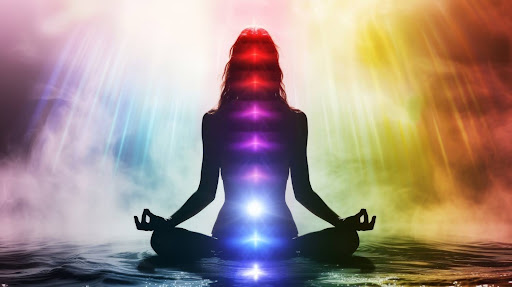
Most yoga styles work with the body. Kundalini works with energy. Kriyas, breathwork, mantra, and meditation are the main tools, not postures. The idea is that energy sits dormant at the base of the spine, and the practice moves it upward. That description means very little until you sit through a full Kundalini class and notice what an hour of specific breathwork does to you. Most people are surprised by how physical the effects are for a practice that is not technically physical. It is also one of the more direct styles when it comes to mental clarity and the psychological benefits of yoga, something practitioners often report noticing before they expect it.
Why Learn Kundalini in Rishikesh?
Teachers here come from traditions that have been practicing this for generations. It is also commonly combined with sound healing and meditation retreats in Rishikesh, which puts the practice in a context that a drop-in class somewhere else would not.
Who Should Learn Kundalini?
People who are more drawn to the inner work than the physical side of yoga. Not everyone connects with it, but the people who do tend to stick with it longer than any other style.
5. Yin Yoga – Slow, Deep, and Restorative
What Is Yin Yoga?
Yin slows everything down. Poses are held for three to five minutes, sometimes longer, and the work happens in the connective tissue and fascia rather than the muscles. Most people find the first few classes harder mentally than physically. Staying in one position without moving for five minutes is not something the mind is used to.
Why Learn Yin in Rishikesh?
Most TTCs here include Yin alongside the more active styles for a practical reason. After several days of Hatha or Ashtanga, the body needs something that works differently. Yin does that in a way that just taking a rest day does not.
Who Should Learn Yin?
People dealing with stress, tight hips, or recovery from injury. It also suits anyone who already has an active practice and wants something that balances it. No prior experience needed and there is nothing to keep up with.
6. Other Styles You Can Explore in Rishikesh
Iyengar Yoga
Iyengar is precision-based. Props, blocks, straps, and bolsters are used in every class to get the body into the correct position rather than approximating it. BKS Iyengar developed it in Pune and the Institute there is still the primary source. Rishikesh has teachers who trained in that tradition and the same attention to alignment carries into how they teach.
Restorative Yoga
Restorative poses are fully supported and held for a long time. The body is not doing any work. For people who are exhausted or recovering, that distinction matters. It is not the same as a gentle yoga class, and the effect on the nervous system is different from anything active. Combining a few sessions of this with a proper yoga and meditation retreat can reset things faster than either would on their own.
Aerial and Acro Yoga
Both are newer and growing in Rishikesh. Aerial uses a hammock suspended from the ceiling. Acro involves partner-based movement. Neither comes from traditional yoga but both are available and schools offering them are easy to find.
Sivananda Yoga
Sivananda follows five points: proper exercise, breathing, relaxation, diet, and positive thinking. Classes follow a fixed sequence of twelve postures and are usually ashram-based. It treats yoga as a way of living rather than just a physical practice.
How to Choose the Right Yoga Style for You
1. Based on Your Goal
For stress relief, Yin, Restorative, or Kundalini will serve you better than anything faster. For fitness, Vinyasa or Ashtanga. Both are physically demanding and consistent practice shows results. For the spiritual and inner work side of yoga, Kundalini, traditional Hatha, or Sivananda treat the practice as something beyond just movement. If you want to teach, a multi-style 200-hour TTC built on Hatha and Vinyasa gives you the widest range to work with because most of the students you will teach are beginners.
2. Based on Your Experience Level
No experience at all, start with Hatha or Yin. Neither requires any baseline fitness or flexibility and both are accessible from the first class. If you have been practicing for a while and want more challenge, Vinyasa or Iyengar reward students who already understand basic alignment. If you have an established practice and want something that tests it properly, Ashtanga is where that leads.
Which Yoga Style Should You Learn for Teacher Training?
Most 200-hour TTCs in Rishikesh teach multiple styles. Hatha and Vinyasa form the base, with Yin, pranayama, and meditation built in around them. The reason most schools structure it this way is practical. A teacher who only knows one style has a limited range of students they can actually help. If you are further along and wondering whether to go deeper, understanding the difference between a 200-hour and 300-hour training is worth reading before you decide.
Specialised TTCs exist for Kundalini, Yin, and Ashtanga. These make sense if you already have a clear direction and enough foundation in that style to go deeper. For most people coming in without that clarity, multi-style is the better starting point.
What most teacher trainings underdeliver on is preparing you to teach a complete beginner. Learning the styles is one thing. Standing in front of someone who has never done yoga and knowing how to guide them through a class is a different skill entirely. The schools in Rishikesh that do this well are worth finding before you book. For those not ready for a full TTC yet, a 100-hour training is a practical way to build that foundation first.
Related Guides
FAQs About Yoga Styles
Hatha. It moves slowly enough that a teacher can actually correct your alignment and you can understand what each posture is doing before the class moves on. Everything else builds on what Hatha teaches first.
Hatha holds postures with a pause between each one. Vinyasa links them together through breath with no pause in between. One gives you time to feel what is happening. The other keeps you moving and the breath becomes the thing you follow instead.
Most 200-hour programmes in Rishikesh are built that way. Hatha and Vinyasa form the core and Yin, pranayama, and meditation come in alongside them.
Yes, with the right teacher. The physical demand is not the issue. The breathwork is what catches people off guard if they push too hard in the first few sessions.
Hatha, Ashtanga, Vinyasa, Kundalini, Iyengar, and Kriya are all regularly featured. The range changes each year depending on which teachers attend.
Try a class before committing to a programme. Most styles feel different from how they read in a description and a single class tells you more than any guide will.
Conclusion
Rishikesh has every major yoga style being taught by people who have practiced them for decades. Hatha, Ashtanga, Vinyasa, Kundalini, Yin. The range is not something most cities can match and neither is the depth of teaching behind each one.
Most people spend a lot of time picking the right style before they arrive and not enough time thinking about who is teaching it. The style matters. The teacher matters more. Rishikesh has both in one place.
Yog School India is based in Tapovan, Rishikesh and runs the 200-hour TTC and beginner programmes every month. If you are not sure where to start, that is worth a conversation before you book.