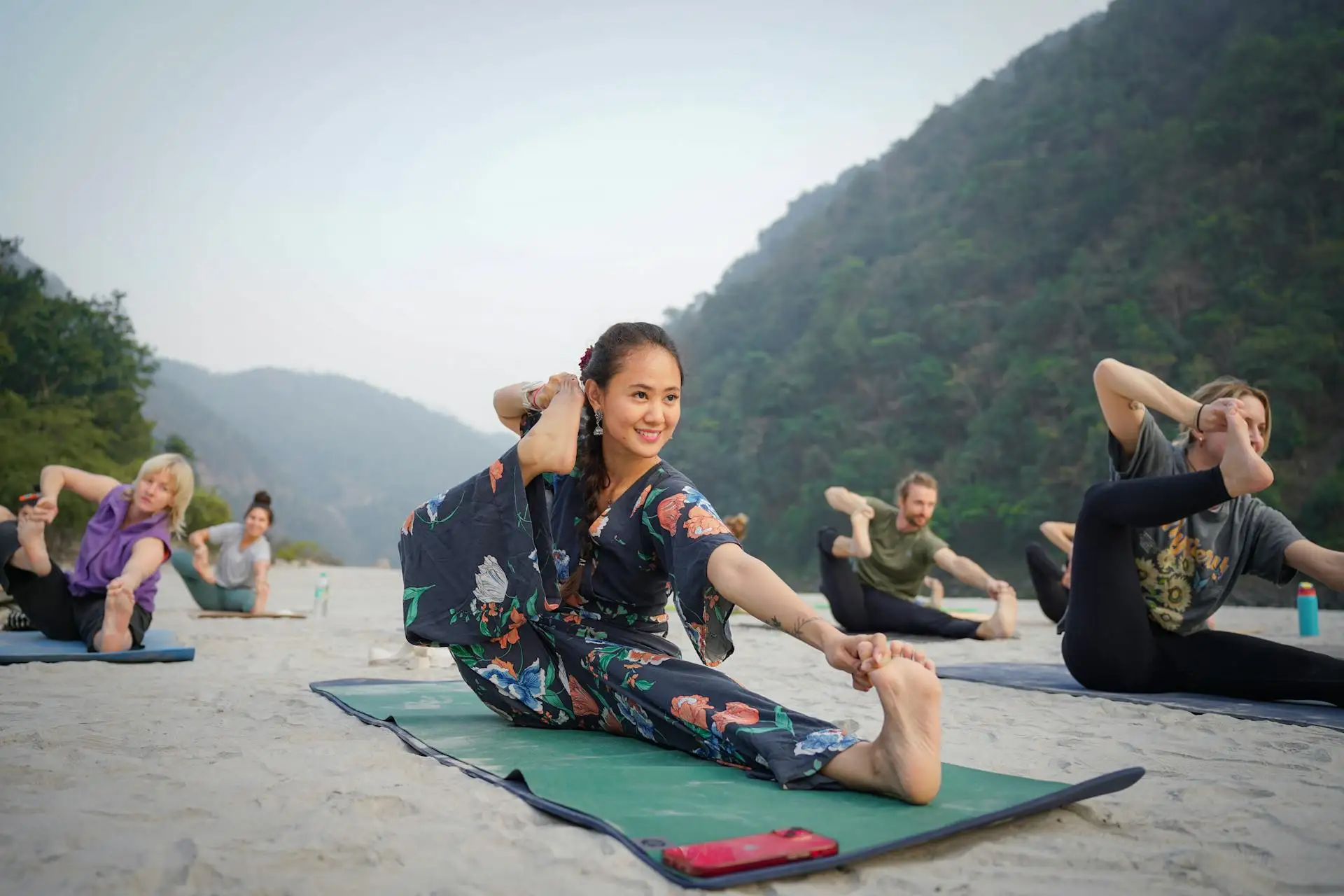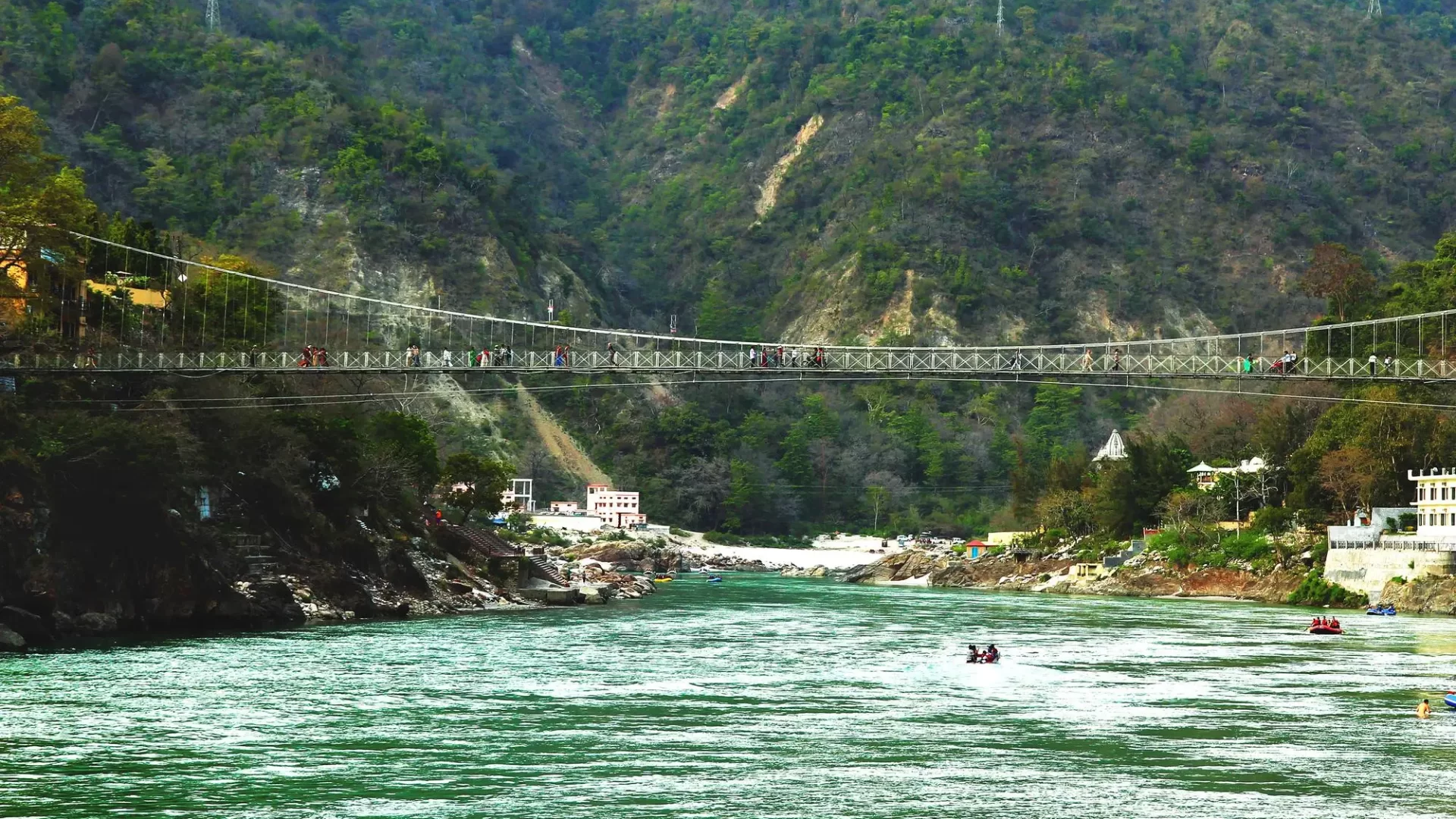
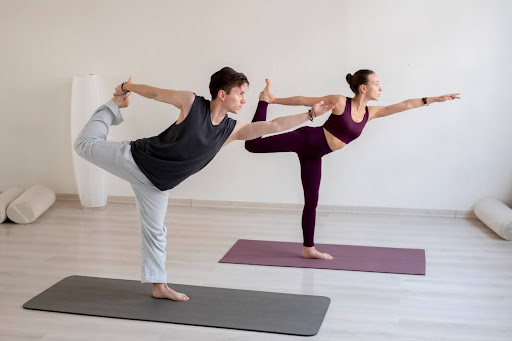

Choosing between Hatha and Vinyasa is one of the first questions beginners ask. It also comes up a lot for people considering a yoga teacher training in India.
Both styles share the same traditional roots. But they feel very different on the mat. One slows you down. The other keeps you moving.
This guide covers the real difference between Hatha and Vinyasa yoga. You'll learn what each style involves, what it does for your body and mind, and which one fits your goals right now, whether you're practising at home, in a studio, or planning to train in Rishikesh.
What Is Hatha Yoga?
Hatha yoga is the foundation of almost every physical yoga practice you'll find today. Most modern styles, including Vinyasa, grew out of it.
Origins and Philosophy
The word "Hatha" comes from Sanskrit. "Ha" means sun. "Tha" means moon. Together, the word points to balance, the balance of opposites within the body and mind.
Hatha yoga has been practised for centuries. Its earliest roots trace back to texts like the Hatha Yoga Pradipika, written in the 15th century. The focus was never just physical. It sits within a much broader tradition, the 8 limbs of yoga, where postures were tools for steadying the body so the mind could follow.
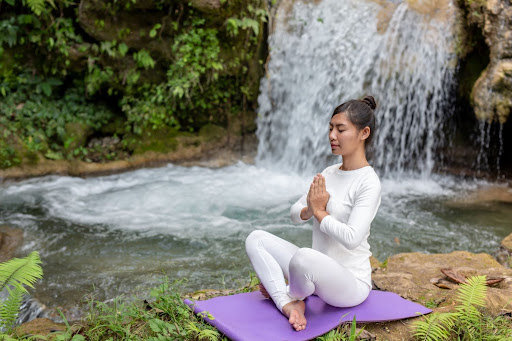
That philosophy still holds in a Hatha class today. You work with the body to calm the mind.
What to Expect in a Hatha Class
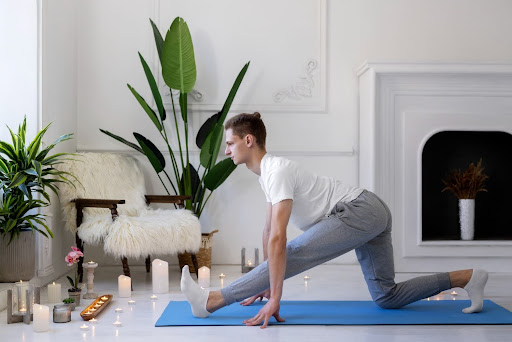
Hatha classes move slowly. You hold each pose for 30 seconds to a minute or more. That time in the pose matters. It lets you find your alignment, breathe fully, and actually feel what the pose is doing.
Common Hatha yoga poses include Downward-Facing Dog, Warrior I, Tree Pose, and Seated Forward Fold. Nothing unfamiliar or acrobatic. The focus is on doing each one well.
Hatha yoga benefits build over time. Better posture. More flexibility. A calmer nervous system. It is also one of the most accessible styles if you are new to yoga or coming back after an injury.
What Is Vinyasa Yoga?
Vinyasa yoga links breath to movement in a continuous flow. It is the most widely practised yoga style in studios around the world today.
Origins and Philosophy
Vinyasa grew out of Ashtanga yoga in the 20th century. Sri T. Krishnamacharya is widely credited as the source, and his student Pattabhi Jois brought it into the form most teachers train in today.
The word “Vinyasa” is Sanskrit. Translated, it means to place in a special way. On the mat, that plays out simply: every movement gets a breath. Inhale, you rise. Exhale, you fold. The breath is not background noise. It runs the whole practice.
What to Expect in a Vinyasa Class
Vinyasa keeps you moving. Poses connect to each other, and the space between them matters just as much as the poses themselves.
Every teacher sequences differently, so the classes vary. That unpredictability is actually one of the things people enjoy about it.
Your body works harder in Vinyasa than in most other styles. Heart rate goes up. Muscles engage through the whole session. A study in the Journal of Yoga and Physical Therapy found that Vinyasa practice produces a cardiovascular response on par with moderate aerobic exercise.
Vinyasa also trains your mind. Keeping your breath and movement connected for an entire class takes genuine focus. You cannot drift off the way you might in a slower practice. That is part of why regular Vinyasa practitioners often say it clears their head as much as it works their body.
Key Differences: Hatha vs Vinyasa Yoga
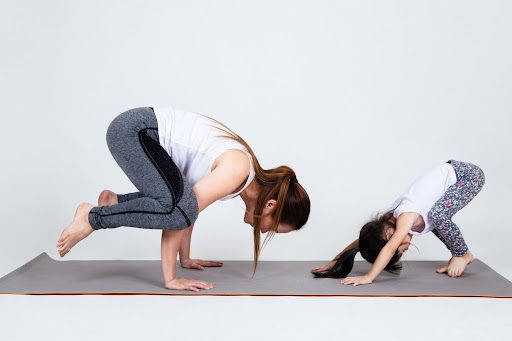
Hatha is slow and pose-focused. Vinyasa moves fast and links every breath to a movement. That is the core difference, but there is more to it depending on what you are looking for.
Pace and Structure
In a Hatha class, you get time. You move into a pose, settle into it, and stay there. That time is not wasted. It is where the real work happens.
Vinyasa gives you no such pause. One pose leads straight into the next. The flow is the point.
Breath and Movement
Hatha uses breath to help you go deeper inside a pose. You arrive, then you breathe into it.
Vinyasa is different. The breath is what moves you. Inhale lifts you. Exhale takes you down. Lose the breath and the whole sequence falls apart.
Physical Intensity
Hatha is accessible. Slower pace, longer holds, more time to adjust. Most people can walk into a Hatha class with zero experience and manage.
Vinyasa is a workout. Your heart rate climbs. Your muscles stay engaged the entire session. It is not impossible for beginners, but it is harder to keep up.
Flexibility vs Strength
Holding a pose for a full minute does something that moving through it quickly does not. That sustained stretch is why Hatha tends to build flexibility faster.
Vinyasa builds strength instead. Chaturanga, which is essentially a low push-up held mid-air, shows up constantly. Do that fifty times a week and your arms, shoulders, and core will know about it.
Comparison Table: Hatha vs Vinyasa Yoga
| Feature | Hatha Yoga | Vinyasa Yoga |
|---|---|---|
| Pace | Slow, deliberate | Dynamic, continuous |
| Pose holds | 30 seconds to 1 minute+ | Brief, transitional |
| Physical intensity | Low to moderate | Moderate to high |
| Best for | Flexibility, relaxation, alignment | Strength, cardio, endurance |
| Ideal for beginners? | Yes | With some experience |
| Cardiovascular benefit | Low | Moderate to high |
| Meditative focus | High | Moderate |
Benefits of Hatha Yoga
Hatha yoga does not announce itself. No dramatic finish, no sweat pouring off you at the end. But show up regularly and the changes become hard to ignore many of them are backed by science.
Stress and the nervous system
Slow holds and deliberate breathing do something measurable to your body. They shift it out of fight-or-flight and into a calmer state. A review in the International Journal of Preventive Medicine found regular Hatha practice brings cortisol levels down, cortisol being the hormone your body produces when it is under stress.
Flexibility and posture
Staying in a pose for a full minute is different from passing through it. Your muscles and connective tissue actually get time to let go. Do that consistently and your hips open up, your hamstrings lengthen, your spine moves more freely. Better posture tends to follow on its own.
Accessibility
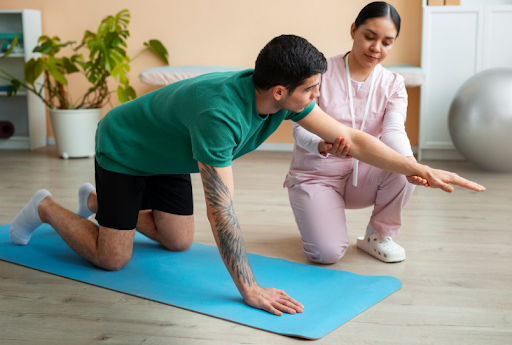
Very few yoga styles work for everyone. Hatha does. Beginners, older practitioners, people dealing with pain or coming back from injury. The slow pace gives you room to listen to your body and adjust.
Preparation for meditation
Most people underestimate how hard it is to sit still. Hatha works on that directly. It settles the body first, which gives the mind a genuine chance to quieten. Traditional texts actually prescribe asana practice for this reason, to prepare for meditation, not replace it.
Benefits of Vinyasa Yoga
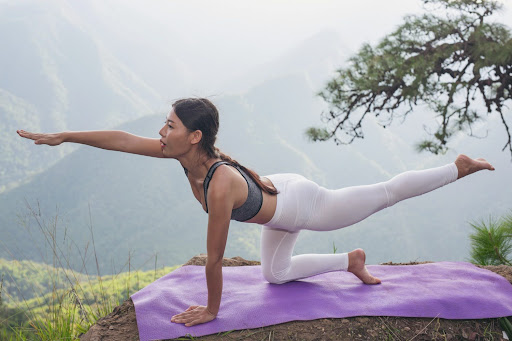
Vinyasa asks more from you than most yoga styles. That is also why it gives back more.
Cardiovascular fitness and calorie burn
You do not stop moving in a Vinyasa class. That sustained movement keeps your heart rate up from start to finish. Research in the Journal of Yoga and Physical Therapy found the cardiovascular demand sits close to moderate aerobic exercise. For people who want to stay fit without living in a gym, that is genuinely useful to know.
Strength and endurance
Chaturanga shows up constantly. So does Plank, Warrior, and variations of both. You are not lifting weights, but your arms, core, and legs are working hard every single session. Do that three times a week and the strength builds whether you are tracking it or not.
Mental focus
People expect Vinyasa to be physical. They do not always expect it to clear their head. Staying locked into your breath for an entire flowing sequence leaves no room for distraction. Most people walk out feeling mentally lighter, not just physically spent.
Variety
Boredom is what kills a yoga practice. Vinyasa makes that harder because no two classes feel the same. Different teachers sequence differently. The energy shifts. That freshness is a bigger benefit than it sounds.
Which Yoga Style Is Right for You?
Both styles work. The question is what you actually need right now.
Choose Hatha If...
You are new to yoga and do not know where to start. Hatha gives you time inside each pose to understand what is happening in your body. That is hard to put a price on early on.
You are also in the right place for Hatha if stress or anxiety is what brought you to the mat. The slower pace and longer holds do something a fast class cannot. They genuinely settle the nervous system.
Coming back from an injury? Hatha again. The pace is forgiving and there is room to modify without falling behind. Most beginner yoga classes in Rishikesh are rooted in Hatha for exactly this reason.
Choose Vinyasa If...
You want your yoga practice to double as a workout. Vinyasa delivers cardio, strength, and endurance in a single session. If sweating means you feel like you have done something, Vinyasa will satisfy that.
It also suits people who get bored easily. The sequences change, the teachers vary, and the pace keeps your mind engaged. Sitting still in a long hold is not for everyone and that is fine.
| Your Goal | Recommended Style |
|---|---|
| Stress relief | Hatha |
| Flexibility | Hatha |
| Weight loss | Vinyasa |
| Cardio fitness | Vinyasa |
| Meditation | Hatha |
| Beginner-friendly | Hatha |
| Injury recovery | Hatha |
| Building strength | Vinyasa |
Can You Practice Both?
Most serious practitioners do. Hatha and Vinyasa are not competing with each other. They complement each other well.
Hatha slows you down and builds the foundation. You learn alignment, you develop body awareness, you understand what a pose is actually supposed to feel like. Vinyasa then takes that foundation and puts it in motion.
A lot of people settle into a rhythm of both. Vinyasa a few times a week for the physical work, Hatha when the body needs recovery or the mind needs quiet. Neither practice suffers for it. If anything, each one makes the other better.
If you want to experience both properly, a structured setting helps. A retreat or a teacher training gives you exposure to both styles back to back, with teachers who can explain why each one is doing what it does to your body and mind.
Experience Both Styles in Rishikesh, India
Why Rishikesh Is the Best Place to Learn Hatha and Vinyasa
Rishikesh is not a yoga trend. People have been coming here to study seriously for decades. The Himalayas sit behind you. The Ganges runs through it. The environment is not a backdrop, it is part of the practice.
The teachers here are different too. Many come from lineages that go back generations. That is not something you find easily in a studio at home.
How a Yoga Teacher Training Covers Both Styles
A 200-hour yoga teacher training in Rishikesh does not ask you to choose between Hatha and Vinyasa. You study both, with daily practice in each style alongside anatomy, philosophy and meditation.
The pranayama work alone is something most practitioners never get in a studio setting. If you are new to breathwork, starting with pranayama for beginners gives you a solid base before the training begins.
Four weeks of immersive practice is hard to replicate. Most people say it shifts something that years of weekly studio classes never did. For a clearer picture of the day-to-day structure, this breakdown of what to expect in a 200-hour YTTC is worth reading before you apply.
Programs here are typically Yoga Alliance accredited. That means your certification holds up internationally if teaching is where you are headed.
Retreats for a Shorter Experience
A full teacher training is not the only option. A one or two week retreat gives you structured daily practice in both styles without the longer commitment. Same teachers, same environment, smaller scope.
How to Choose the Right Yoga School for Hatha and Vinyasa Training
There are a lot of schools in Rishikesh. More than most people expect. That makes the choice harder, not easier.
Accreditation
Start here. Is the school registered with Yoga Alliance? That is the baseline standard. Without it, your certification may not be recognised if you want to teach abroad.
Curriculum balance
Some schools lean heavily Hatha. Others are almost entirely Vinyasa. If you want both, check the actual daily schedule before you book. Do not assume it is there just because the website says it is.
Teacher credentials
The school is only as good as the people teaching in it. Find out where the lead teachers trained, how long they have been practising, and whether there is a clear lineage behind what they are teaching. Good schools do not hide this.
Student reviews
Skip the testimonials on the school’s own website. Go to Google, independent forums, travel platforms. Students who have been through the program will tell you things the marketing never will.
Keep Reading
Frequently Asked Questions
Hatha is the stronger starting point. The pace allows you to learn each pose properly before moving on. Vinyasa demands a level of familiarity with the postures that most beginners have not built yet.
Vinyasa is the more effective option for weight loss. The continuous movement keeps the heart rate elevated throughout the session. Hatha supports weight management through stress reduction and better sleep, but the results come on a longer timeline.
Hatha builds flexibility faster. Sustained holds give the muscles and connective tissue time to release in a way that flowing through a pose quickly does not. That depth is where the change happens.
Physically more demanding, yes. The pace is faster and the sequences are continuous. Hatha has its own challenge though. Holding a pose correctly for a full minute is harder than most people expect.
A 200-hour program in Rishikesh covers both. Daily practice in each style, the theory behind them, and how to teach them. You graduate with a working understanding of both.
Three to five sessions a week is where consistent progress starts showing. Below that the body adapts slowly. Above that, without adequate rest, recovery becomes the limiting factor.
Conclusion: Start Your Yoga Journey Today
Hatha and Vinyasa are not rivals. They serve different purposes and at different points in your practice, you will likely need both.
If you are starting out, Hatha gives you the foundation. If you want to build on that foundation physically, Vinyasa takes it further. Most practitioners who stay with yoga long enough find a place for both.
The best way to experience either style properly is in an environment built for it. Rishikesh offers that in a way most places simply cannot.
If you are ready to go deeper, apply for our 200-hour yoga teacher training, book a retreat, or get in touch and we will help you find the right program for where you are right now.