
You know those little things in yoga that look almost too simple to actually work? Vayu Mudra is exactly that. Just fold your index finger, let your thumb rest gently on top, and suddenly you are tapping into something ancient, the body's air element. People have used this for thousands of years across India's yogic and Ayurvedic traditions. They have found real relief from bloating, creaky joints, worried thoughts, and that restless feeling you cannot shake. No pills. No gadgets. You do not even have to stand up.
But here is the catch. A lot of folks ask experts how to do vayu mudra for thirty seconds, expect a miracle, and then give up. Others do it with sloppy finger placement and wonder why nothing changes. This guide walks you through the real meaning, the vayu mudra yoga sequence that actually boosts results, and the honest vayu mudra precautions that keep you safe.
What This Hand Gesture Really Means
The Sanskrit word "Vayu" translates to wind or air. "Mudra" means a seal or a gesture. Put them together, and you are literally sealing and adjusting the air inside your system.
Old yogic philosophy says the human body runs on five big elements—earth, water, fire, air, and ether. Each finger connects to one of these. Your index finger? That is air. Your thumb? That is fire. When you fold the index finger down and press it with your thumb, the fire element kind of "cooks" or settles the air element. Things come back into balance.
In Ayurveda, too much air shows up as aggravated Vata Dosha. That is the biological force behind movement, breathing, nerves, and how your body gets rid of waste. When Vata behaves itself, your thinking stays clear, your food digests nicely, and your joints move without complaint. When Vata runs wild? You get gas, bloating, anxiety, trouble sleeping, dry skin, constipation, achy joints, and a brain that will not shut up.
The uses of vayu mudra focus on pulling that extra air downward and pushing it out. Your whole system calms down. People often call this the "mudra for stomach gas," but honestly, it does way more than just help your gut.
How to Do Vayu Mudra the Right Way
Learning how to do vayu mudra correctly is not hard, but tiny details matter. Sloppy hand positions kill the effectiveness.
Step One – Get Comfortable
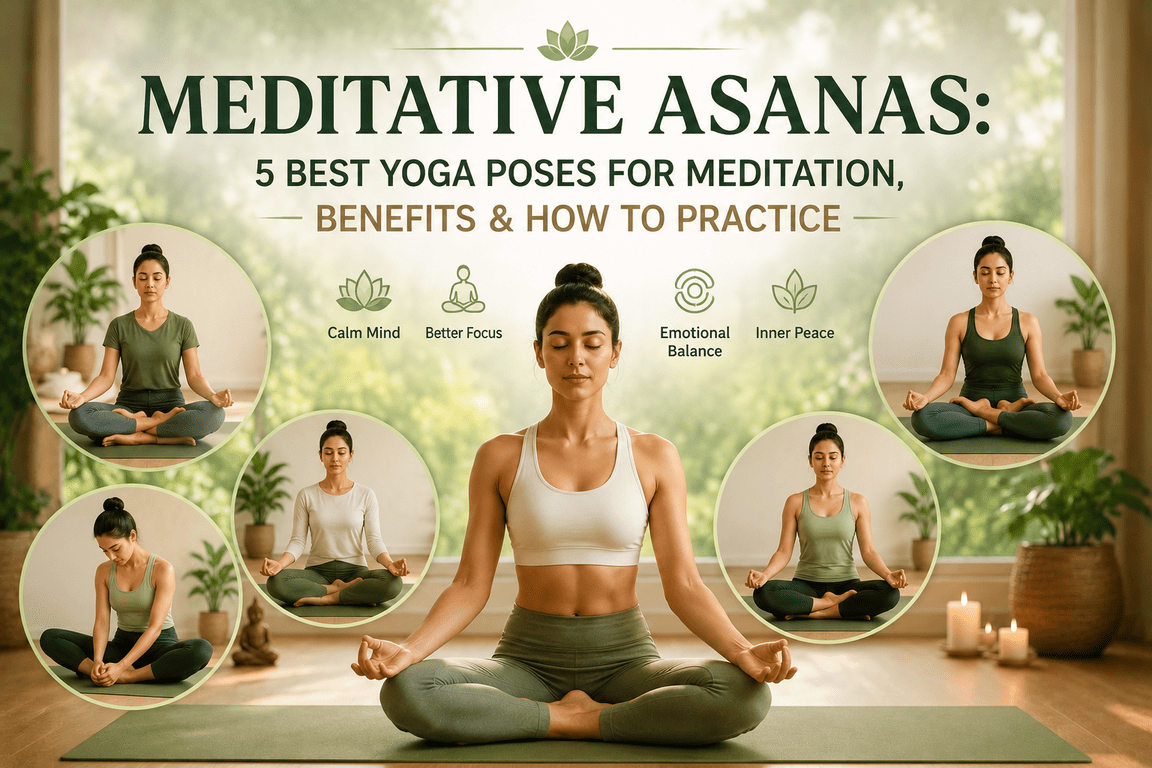
Sit somewhere quiet. Cross-legged is fine. Kneeling (Vajrasana) is great. Even a chair with both feet on the floor works. Just keep your back straight and your shoulders easy.
Step Two – Set Your Hands
Rest both hands on your thighs. Palms face up. Breathe normally a few times.
Step Three – Make the Gesture
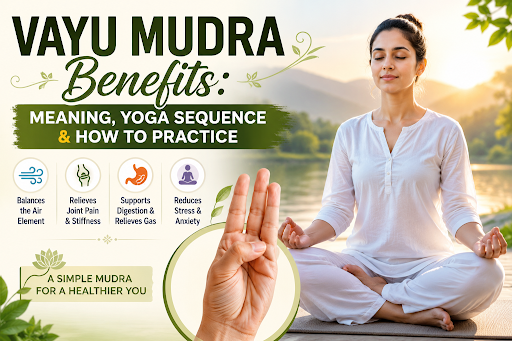
Fold your index finger on each hand so the tip touches the soft mound at the base of your thumb. Then place your thumb gently over that folded finger. Do not squeeze hard. Your other three fingers stay straight and relaxed. No tension in your hands at all.
Step Four – Hold and Breathe
Close your eyes. Breathe slow and deep through your nose. Stay in this vayu mudra pose anywhere from 10 to 30 minutes. If you are brand new, start with five or ten minutes and work up.
Step Five – Let Go Slowly
When your time is up, unfold the index finger gently. Rest your open palms on your thighs. Take two or three normal breaths before you get up and go about your day.
How Long to Do Vayu Mudra for Real Results
Everybody asks how long to do vayu mudra before anything happens. Traditional teachers say ten minutes minimum per session. That is how long it takes for the gesture to really start talking to your body's energy channels.
For bigger problems like chronic joint pain or bad digestion, aim for 30 to 45 minutes total each day. You can split that into three 15-minute chunks. Morning, afternoon, evening. Whatever fits.
Now, how long to practise vayu mudra before you judge whether it works? Most people who know what they are doing say stick with it for 30 to 45 days straight. Acute stuff like gas after a heavy meal can clear up in one session. But deeper stuff? That takes patience and daily repetition.
Best times to practice? Morning on an empty stomach is powerful. Evening right before bed helps with anxiety and sleep. And after meals, sit in Vajrasana (the kneeling pose) with the mudra for 10 to 15 minutes. Your stomach will thank you.
Vayu Mudra Benefits You Can Actually Feel
Let us walk you through the real vayu mudra benefits. Not hype. Just what people report when they do this consistently.
1. Less Gas and Bloating
This is the big one. The most famous benefit of vayu mudra is kicking trapped air out of your stomach and intestines. That heavy, tight, uncomfortable feeling after eating? Gone. Try it in Vajrasana right after a meal.
2. Easier Joints
Ayurveda sees joint pain, stiffness, and arthritis as too much Vata. Too much air makes things dry and friction-y. Regular practice of vayu mudra yoga brings moisture back. Movement gets smoother over time.
3. A Calmer Mind
Constant worrying. Racing thoughts. Restlessness. Classic signs of too much air in your nervous system. When you practice vayu mudra yoga with slow, deliberate breathing, your nervous system flips into rest mode. Your head feels clearer. The inner noise turns down.
4. Better Gut and Lung Function
Your colon pushes out solid waste. Your lungs push out carbon dioxide. Both are directly linked to the air channels this mudra works on. Among the uses of vayu mudra, stimulating these two organs is huge. Your body's natural detox runs smoother.
5. Deeper Sleep
Vata energy spikes in the early morning hours. That is why so many people with high Vata wake up between 2 and 5 AM with a mind that will not stop. One of the quieter vayu mudra benefits is calming that overactive system before bed. Do it for 15 to 20 minutes in the evening as part of your wind-down routine.
6. Better Circulation and Immunity
When your air element is balanced, your blood and your energy both flow better. A body that circulates well fights off illness more effectively. Pretty straightforward.
7. Less Neck and Shoulder Tension
Vata governs your nervous system and how your muscles move. Too much of it leads to tightness, spasms, and pain especially in the neck, shoulders, and lower back. The uses of vayu mudra include releasing that stored tension, especially if you also do a few gentle yoga stretches.
What Is the Benefit of Vayu Mudra Compared to Other Hand Gestures?
People ask all the time: what is the benefit of vayu mudra that makes it different from Apana Mudra or Prana Mudra?
Apana Mudra focuses on downward energy and getting waste out. Prana Mudra builds your life force. But what is the benefit of vayu mudra that those others do not offer? Specificity. Vayu Mudra is the only gesture whose whole job is to directly lower excess air across the board—physically, mentally, and energetically all at once.
If you are dealing with gas and anxiety and joint pain, bad sleep and restlessness, Vayu Mudra goes after the root cause. That is why understanding what is the benefit of vayu mudra matters so much. It is not a band-aid for one complaint. It is a whole-system rebalancer.
If you enjoy learning about yoga's practical effects, you might also like reading about the 12 benefits of yoga that are backed by Science.
A Vayu Mudra Yoga Sequence to Amplify Everything
A proper vayu mudra yoga sequence makes the mudra work way better. These poses all target places where Vata likes to hide.
- Vajrasana (Thunderbolt Pose): Kneel and sit on your heels. Rest your hands in the mudra on your thighs. Hold 10 to 15 minutes. Great after meals.
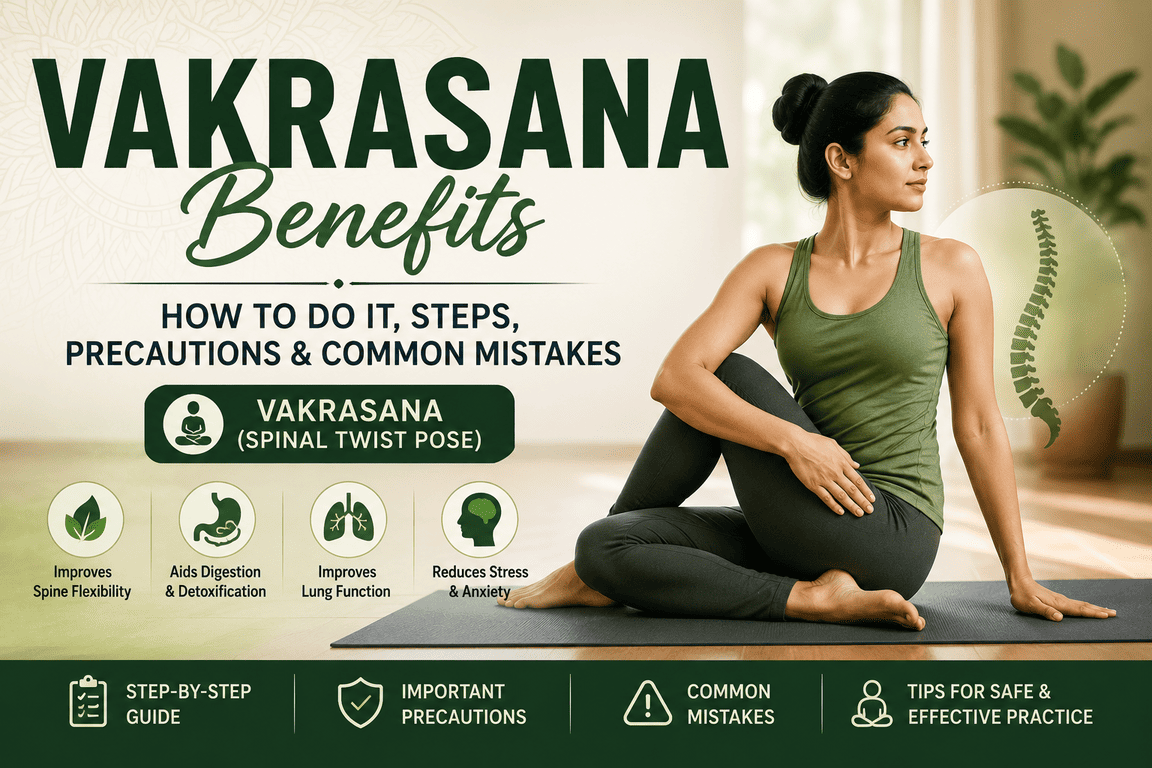
- Pavanamuktasana (Wind-Relieving Pose): Lie on your back. Pull both knees into your chest and wrap your arms around your shins. Rock gently side to side. This physically pushes trapped gas out.
- Balasana (Child's Pose): From kneeling, fold forward. Let your forehead rest on the floor. Super grounding. Calms the nervous system fast.
- Supta Baddha Konasana (Reclined Bound Angle Pose): Lie on your back. Bring the soles of your feet together and let your knees fall open. Hold the vayu mudra pose with hands at your sides for 5 to 10 minutes.
- Anuloma Viloma (Alternate Nostril Breathing): Do this for five minutes before sitting in the mudra. They work beautifully together.
The Full Vayu Mudra Pose Explained
When teachers talk about vayu mudra pose, they usually mean the whole package not just the hand shape but the seated posture that goes with it. The mudra works best when your body is symmetrical, your breath is easy, and your attention turns inward.
Keep your spine upright but not rigid. Tuck your chin just a little. Roll your shoulders back and down. Breathe gently through your nose. Both hands form the mudra at the same time. When you practice this complete vayu mudra pose body, breath, and gesture all working together then the effects get noticeably deeper.
If this path calls to you, you might eventually consider 200 Hour vs 300 Hour Yoga Teacher Training — Which is Right for You? Both open doors. Also, the Top 5 Sound Healing Schools in Rishikesh, India may offer incredible training. Mark your calendar for the International Yoga Festival Rishikesh to experience something new in your life.
Vayu Mudra Precautions to Keep in Mind
Look, this is one of the safest yoga practices out there. But a few vayu mudra precautions are still worth remembering.
- Do not overdo it: Holding the mudra longer than 45 minutes at once, especially if you are new, can make you feel dizzy or lightheaded. Build up slowly.
- Hand or wrist issues: If you have arthritis in your fingers, carpal tunnel, a tendon injury, or recent hand surgery, keep the pressure very light. Or just skip the mudra and breathe.
- After heavy lifting: Practice for at least 5 minutes right after lifting something heavy or after a sprain. It stops Vata from building up. But do not use it as a replacement for real rest and medical care.
- Very low Vata types: Rare cases. Someone with extreme sluggishness, heavy limbs, and constant cold might need to avoid long sessions. Talk to an Ayurvedic practitioner if you are unsure.
- Sick with a fever: Rest is better than intensive mudra practice. Short, light sessions are fine. Do not push.
These vayu mudra precautions are pretty minimal. Just use common sense and moderation.
A Few Related Hand Gestures to Know
- Apana Vayu Mudra (Heart Mudra): Fold the index finger like before, but also bring the middle and ring fingertips to meet the thumb. Leave the little finger out. Good for your heart and blood pressure.
- Prana Vayu Mudra: Builds vital energy. Strengthens immunity. Great for meditation.
- Vyana Vayu Mudra: Bring the thumb, index, and middle fingertips together. Leaves the ring and little fingers extended. Works on circulating energy through your whole body.
Wrapping This Up
The beautiful thing about Vayu Mudra is how little it asks from you. Ten minutes. Two fingers. A quiet corner. That is it. And yet it offers so much in return like less gas, quieter thoughts, easier joints, better sleep. The vayu mudra benefits add up quietly over days and weeks.
Whether you are dealing with chronic bloating, nagging anxiety, stiff knees, or you just need a way to anchor yourself in the middle of a chaotic afternoon, this practice gives you a steady path back to balance. Sit down. Take a breath. Fold your finger. Let the warmth of your own attention do what it has always done best, something like bringing a little clarity to the wind.
Frequently Asked Questions
It relieves gas, bloating, and joint pain. It also calms anxiety, improves sleep, supports digestion, and reduces muscle tension. Regular practice brings overall balance to the body and mind.
Sit comfortably. Fold your index finger to the base of your thumb. Gently press your thumb over it. Keep other fingers straight. Rest palms on knees. Breathe slowly.
It removes trapped gas from the stomach and intestines. This reduces bloating, flatulence, and post-meal discomfort, especially when practiced in Vajrasana after eating.
It calms an overactive nervous system by regulating excess Vata. This reduces worry, restlessness, and racing thoughts, leaving the mind clearer and more peaceful.
Avoid over-practicing beyond 45 minutes. Go light if you have hand arthritis or injuries. Rest during fever. Consult an Ayurvedic expert if you have Vata deficiency.
Hold for 10 to 30 minutes per session. For chronic issues, practice 30-45 minutes daily. Acute gas relief may happen in one session.
Practice daily for at least 30 to 45 consecutive days to see lasting improvements in digestion, joint pain, anxiety, and sleep quality.
Aim for 10 minutes minimum. For deeper benefits, split 30-45 minutes into two or three sessions throughout the day—morning, afternoon, and evening.
It specifically targets excess air (Vata) in all forms—physical gas, joint stiffness, and mental anxiety. Other mudras work on different energies, but this one is the most direct balancer.