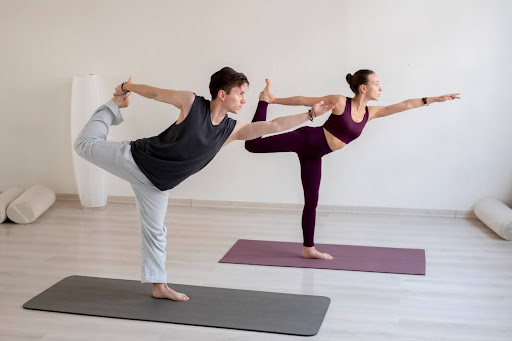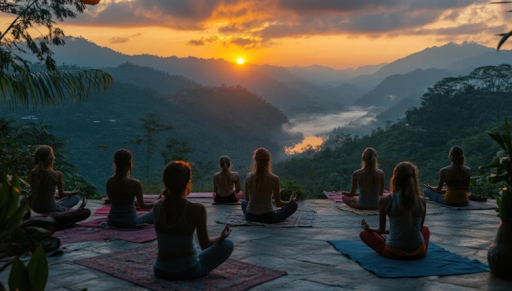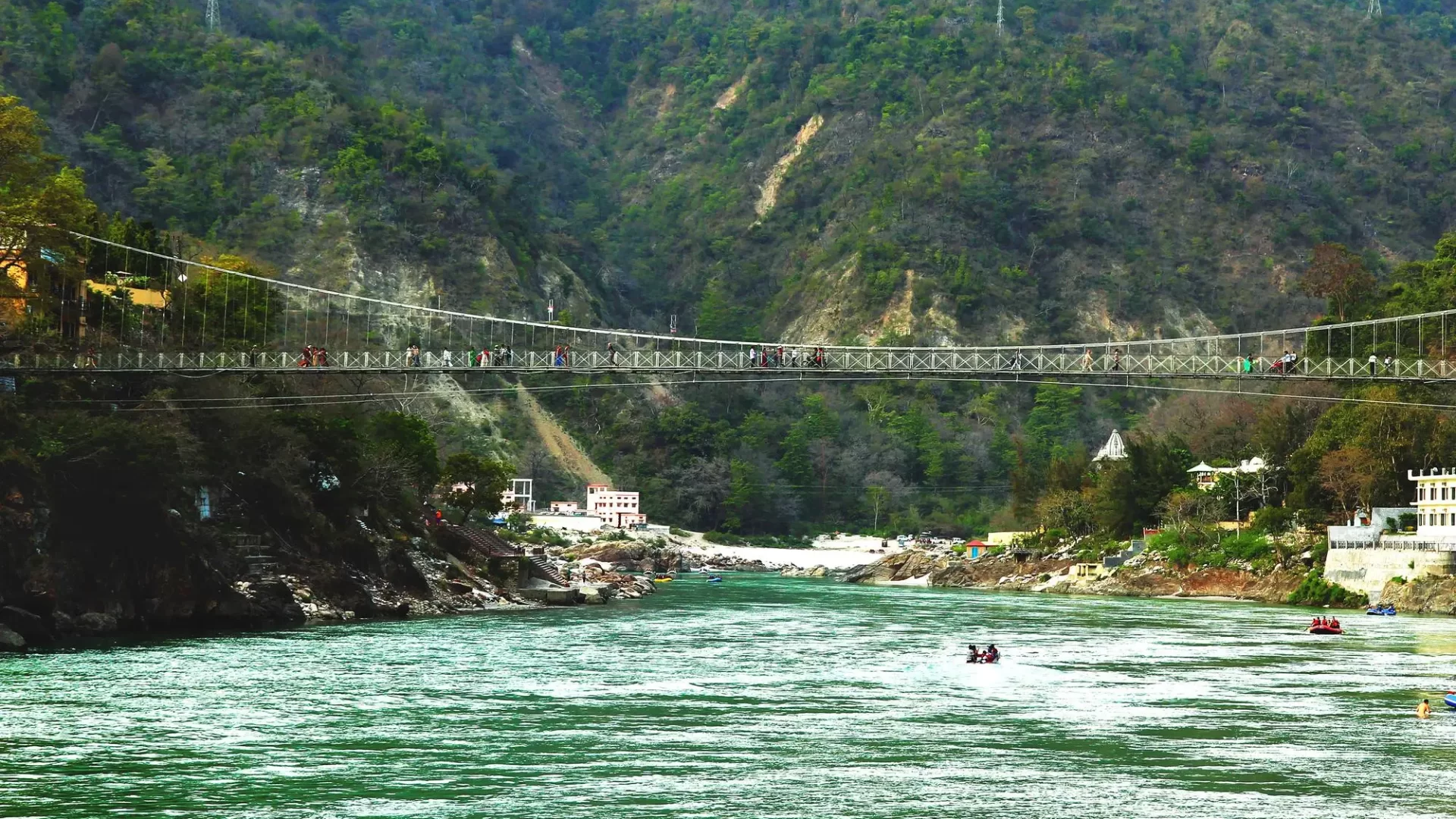


It is 5:30 in the morning. The Ganga is still dark. Somewhere below your window, a conch shell sounds across the water, and the city of Rishikesh begins to breathe.
You have been thinking about this for months, maybe longer. A 200-hour yoga teacher training in Rishikesh. You have read the school pages, scrolled the Instagram highlights, sat with the question at 11pm wondering if it is the right thing to do.
So let us answer it properly. Not with a sales pitch. With the honest picture that we would want if we were sitting where you are right now.
This guide covers what the training actually is, what it genuinely gives you, what it costs, who it is right for, and who it might not be right for.
By the end, you will know whether this is your next step and if it is, you will know exactly what to expect.
What This Guide Covers
- What is a 200-hour yoga teacher training?
- What does the training actually include day to day?
- Who is it right for — and who is it not?
- Is the Yoga Alliance certification actually worth anything?
- How much does it cost in Rishikesh vs the rest of the world?
- The honest case for Rishikesh over other locations
- What changes after you leave
- Frequently asked questions
- Conclusion
What Is a 200-Hour Yoga Teacher Training?
A 200-hour yoga teacher training Course (YTT) is the internationally recognised entry-level certification for yoga teachers. The 200-hour standard was established by Yoga Alliance, a global body that accredits yoga schools and sets curriculum benchmarks and it has become the baseline credential recognised by studios, gyms, and wellness centres worldwide.
The 200 hours refers to the total structured training time: asana practice, philosophy, anatomy, pranayama, meditation, and teaching methodology. In a residential program in Rishikesh, this typically unfolds over 21 to 28 days of full-time immersive study.
Completing the training with a Yoga Alliance–registered school (RYS 200) makes you eligible to register as a Registered Yoga Teacher (RYT 200) a globally portable credential that allows you to teach in studios across the UK, Europe, the US, Australia, and beyond.
📌 What to Know A 200-hour YTT is not just a certification. In a residential program in Rishikesh, it is 21 to 28 days of complete immersion — in practice, study, lifestyle, and environment. Most students describe it as one of the most concentrated periods of personal growth they have ever experienced. |
What Does the Training Actually Include — Day by Day?
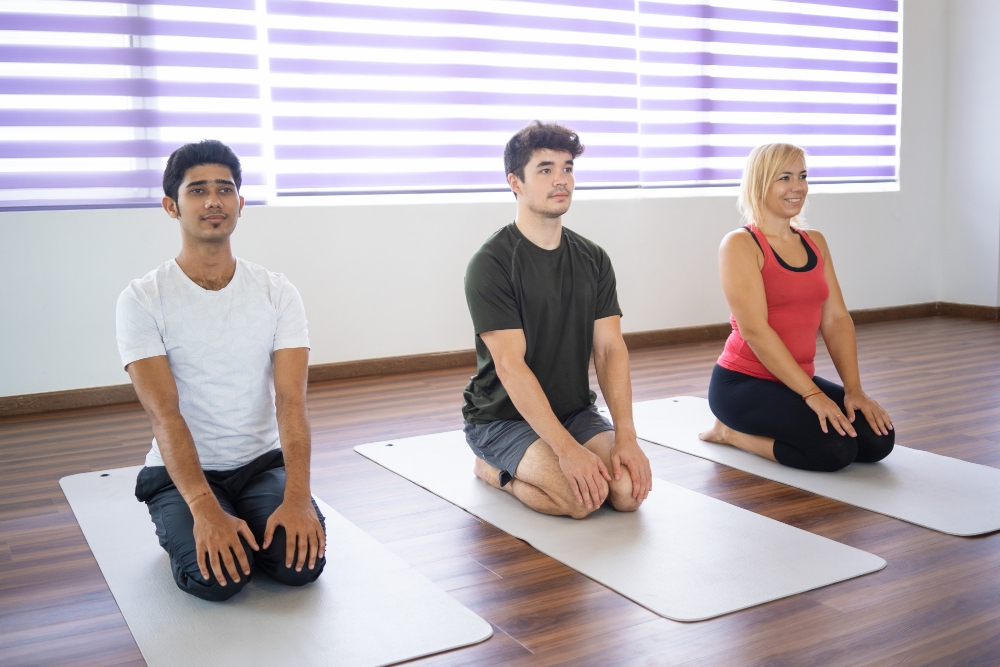
This is the question most school pages do not answer clearly enough. Here is an honest picture of what a typical day looks like in a 200-hour TTC at Yog School India in Rishikesh.
A Typical Day at Yog School India — The Real Schedule
| School Name | Location |
|---|---|
| 05:30 AM | Wake up. The city is quiet. The Ganga is still dark. |
| 06:00 – 07:30 AM | Morning meditation and pranayama. Breath practices and seated meditation to open the day with clarity and stillness. |
| 07:30 – 09:00 AM | Hatha or Ashtanga asana practice. The morning session focuses on building strength, correct alignment, and embodied awareness. |
| 09:00 – 10:00 AM | Breakfast. Sattvic vegetarian food prepared fresh and included with the program. |
| 10:00 – 11:00 AM | Anatomy and physiology. Understanding the body how it moves, where it compensates, and how to keep students safe. |
| 11:00 AM – 12:00 PM | Yoga philosophy. The Yoga Sutras, the Bhagavad Gita, the principles that give physical practice its depth and direction. |
| 12:30 – 01:30 PM | Lunch |
| 01:30 – 03:30 PM | Rest and self-study. This time matters. Use it to absorb what you have learned, review your notes, or simply let your body recover. |
| 03:30 – 05:00 PM | Alignment, methodology, and teaching practice. The technical heart of your teacher training is learning how to see, cue, adjust, and guide. |
| 05:15 – 06:15 PM | Evening asana or practicum. A second practice session, often focused on refining what was taught earlier in the day. |
| 06:30 – 07:30 PM | Dinner |
| 08:00 – 08:30 PM | Evening meditation and relaxation. A short, grounding close to the day. |
| 10:00 PM | Lights out. |
Sundays are your rest day for exploring Rishikesh, visiting the ghats, sitting by the river, or simply doing nothing. After six days of this schedule, you will understand why that matters.
Who Is the 200-Hour YTT Right For?
Not everyone who comes to Rishikesh for teacher training wants to stand in front of a class and teach. And that is perfectly fine. The 200-hour training serves very different people, and it serves most of them well.
This training is right for you if you are:
- Someone who wants to become a certified yoga teacher and build a teaching practice part-time, full-time, or freelance
- A dedicated practitioner who wants to understand yoga more deeply the philosophy, the anatomy, the lineage behind the postures
- Someone going through a transition career, relationship, health and looking for a structured container for personal transformation
- An international traveller who wants an immersive, meaningful experience in India that goes beyond tourism
- A complete beginner with a genuine commitment to the practice and the willingness to show up every day
Related Post :
Beginner’s Guide to Yoga
This training may not be right for you if:
- You are looking for a casual holiday with some yoga classes. This is not a retreat it is a full-time program with a structured daily schedule and accountability.
- You are expecting immediate high income from teaching. Teaching yoga is a meaningful profession, but it takes time to build. The certification opens the door to your consistency and growth after training determines what you build with it.
- You cannot commit to the full duration. Missing significant portions of the program affects both your learning and your certification eligibility.
Is the Yoga Alliance Certification Actually Worth Anything?
This is the question most school pages avoid because the honest answer is nuanced. Here it is.
Yoga Alliance (YA) is not a government body. It is a private organisation that sets curriculum standards for yoga teacher training programs. Studios and gyms are not legally required to hire only YA-certified teachers but in practice, the vast majority of professional studios globally do require RYT 200 as a minimum for employment.
In the UK, Europe, the US, Canada, and Australia, an RYT 200 from a Yoga Alliance–registered school is the recognised professional baseline. Without it, you will face resistance from most studios and corporate wellness programs. With it, you have a portable, internationally recognised credential.
📌 Important to Know After completing your training with a Yoga Alliance RYS 200 school like Yog School India, you register independently with Yoga Alliance at yogaalliance.org. The registration fee is separate (currently approximately $65 USD per year). Your certificate from the school and your YA registration together constitute your professional credentials. |
So is it worth it? If your goal is to teach professionally — yes, unambiguously. If your goal is purely personal practice and growth, the certification still adds structure and depth to your learning. But you do not need to register with Yoga Alliance for the transformation to be real.
How Much Does a 200-Hour Yoga Teacher Training in Rishikesh Cost?
Cost is one of the most practical questions and one of the least honestly answered in this niche. Here is the real picture.
Cost Range in Rishikesh (2026)
A residential 200-hour YTT in Rishikesh including accommodation and meals — typically ranges from $700 USD to $1,800 USD depending on the school, accommodation type (shared vs private), and timing. This covers 21 to 28 days of full-time training, all meals, and your certification.
How That Compares Globally
- United States or Canada: $2,500 to $5,000+ for in-person training, often without accommodation
- Europe (UK, Germany, Netherlands): £1,800 to £3,500+ typically without meals or lodging included
- Bali, Indonesia: $1,200 to $2,500 USD — popular alternative but not the same cultural and traditional context
- Rishikesh, India: $700 to $1,800 USD all-inclusive — the same Yoga Alliance standard at significantly lower cost
The cost difference is real and significant. For an international student, doing the training in Rishikesh versus their home country often represents a saving of $2,000 to $4,000 — even after factoring in flights.
💡 Budget Realistically Factor in your flights, visa, and any personal spending money. A realistic total budget for an international student doing a 200-hour YTT in Rishikesh including flights from Europe — is approximately £1,500 to £2,500 GBP all-in. From the US, budget approximately $1,800 to $3,000 USD total. |
Why Rishikesh — The Honest Case
There are yoga teacher trainings available in almost every country in the world. So why does Rishikesh, specifically, keep drawing thousands of students every year from over 80 countries?
Part of it is practical the cost, the concentration of schools, the infrastructure built around yoga education. But there is something beyond the practical that is harder to explain and easier to dismiss until you experience it.
Rishikesh sits at the foothills of the Himalayas where the Ganges emerges from the mountains onto the plains. It has been a site of yogic practice, pilgrimage, and study for thousands of years. The Ganga aarti at Parmarth Niketan happens every single evening. There are temples on every street. Sadhus walk the ghats at dawn. The air carries something that is not easy to put into words a quality of seriousness about practice that is difficult to manufacture elsewhere.
Students who do their training in Rishikesh consistently describe the environment itself as part of what they bring home. Not just the techniques, the feeling of having practised in a place where yoga is woven into everything, where the mountains are an ever-present reminder of what is larger than the daily noise of ordinary life.
That is not mysticism. That is what hundreds of graduates report back, again and again.
What Actually Changes After You Leave Rishikesh

Everyone talks about the training itself. Nobody talks much about what happens when you go home.
The city is the same. The people are the same. The challenges are the same. But something in how you meet all of it has shifted.
Students come back and describe it differently. Some talk about the way they start their mornings that the practice is no longer something they have to motivate themselves to do but something they move toward naturally. Some talk about how they handle a hard day with a groundedness they did not have before. Some talk about the way they sit with uncertainty now, with less panic and more steadiness.
And then there are the ones who come back and within six months are teaching. Part-time at a studio. Weekly classes in their community. Online. At a corporate wellness programme. The path looks different for everyone. But the certification makes it possible, and the experience in Rishikesh makes it credible.
“I went to figure out if I wanted to teach yoga. I came back knowing I wanted to teach yoga. That clarity alone was worth every rupee.” — Graduate, Yog School India, 2025
Frequently Asked Questions
Q: Do I need prior yoga experience to join a 200-hour YTT?
No prior experience is required. Yog School India’s 200-hour program is designed for complete beginners. The curriculum builds from foundational principles. Commitment to daily practice matters more than existing skill level.
Q: Is it safe to travel to Rishikesh alone?
Yes. Rishikesh is one of India’s safest cities for solo travellers, including women. The international yoga community provides immediate support. Yog School India offers structured orientation for students arriving alone from abroad.
Q: How many hours per day is the training?
Approximately 8 to 10 structured hours daily. The schedule runs from 5:30 AM to 8:30 PM and includes two asana sessions, pranayama, meditation, philosophy, anatomy, and teaching methodology. Sundays are rest days.
Q: Will my certificate be recognised internationally?
Yes. Yog School India is Yoga Alliance RYS 200 registered. Graduates receive RYT 200 designation, recognised by studios across the UK, Europe, the US, Australia, and Canada. Registration is completed independently at yogaalliance.org.
Q: What is the difference between 100-hour and 200-hour training?
The 100-hour program TTC deepens personal practice but does not qualify for Yoga Alliance RYT 200 certification. The 200-hour is the complete entry-level certification required to teach yoga professionally and register internationally as a certified teacher.
Q: What is the best time of year to train in Rishikesh?
October to February is ideal comfortable temperatures between 10°C and 25°C and a calm, focused atmosphere. March to May also works well. Yog School India runs year-round batches with 2026 dates on the program calendar.
Q: Is it worth doing if I don’t want to teach?
Yes. Many YSI students enrol purely for personal transformation. The 21-day immersion in asana, philosophy, breathwork, and meditation produces deeper understanding than years of weekly classes. The certification is a byproduct the growth is the real outcome.
Q: Is a 200-hour yoga teacher training in Rishikesh worth it?
Yes. It combines Yoga Alliance certification, traditional yogic environment, and full immersion at significantly lower cost than Western programs. Students from over 50 countries have trained at Yog School India. None have reported regretting the decision.
Conclusion - Is It Worth It?
Most people who find this guide already know the answer. They are just looking for permission to trust it.
The training is intensive. The days are long. You will be tired in ways you did not expect. And somewhere in the middle of it maybe week two, maybe a quiet morning by the river something shifts. Students come back changed in ways they struggle to put into words. That part is consistent, across backgrounds, across countries, across every reason someone originally came.
Whether you want to teach, or simply want to understand yourself and this practice more deeply Rishikesh has a way of giving you exactly what you came for.
When you are ready to take the next step, the team at Yog School India is here to answer every question honestly, no pressure, no scripts