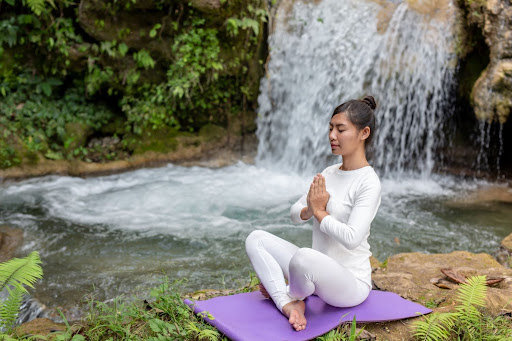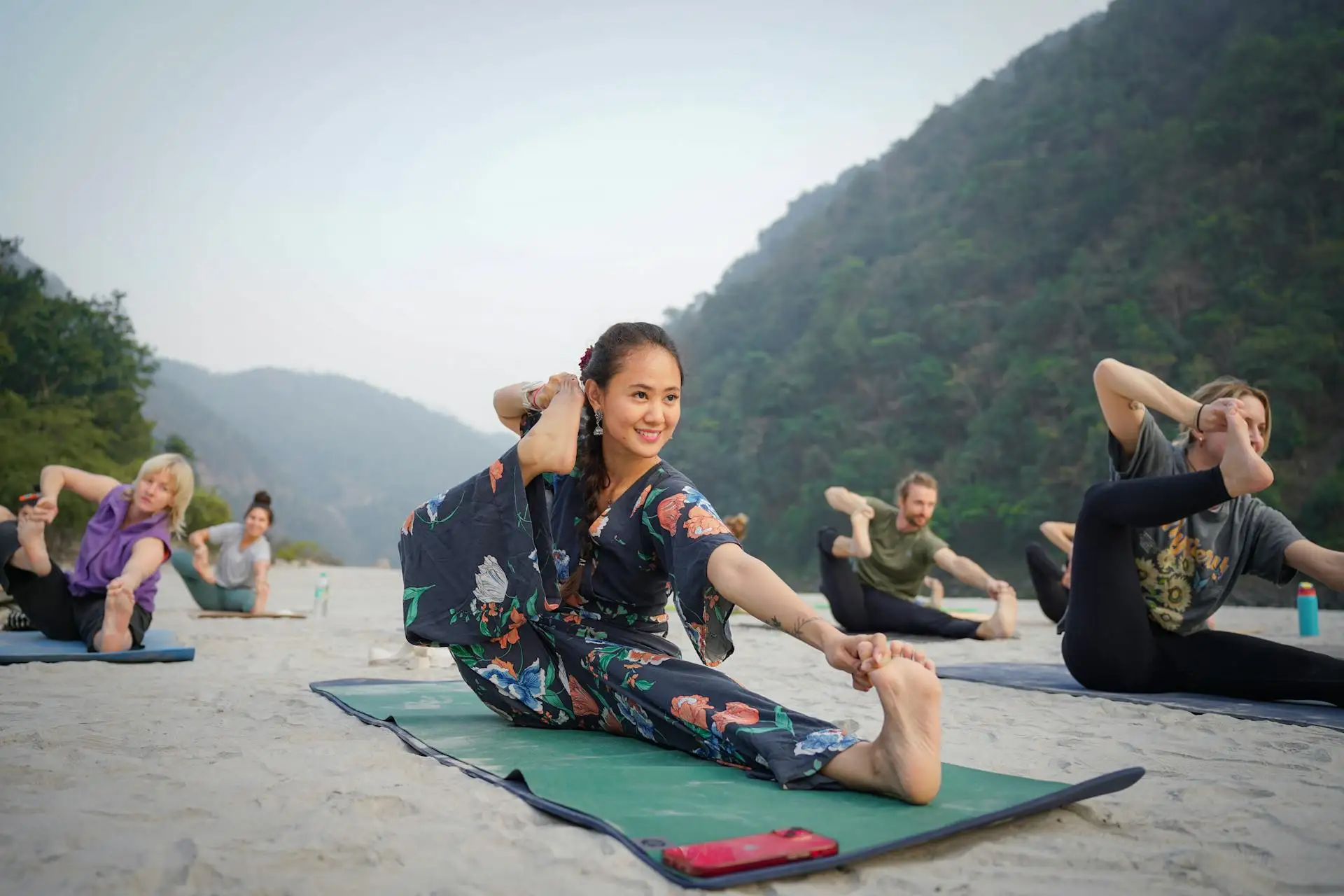
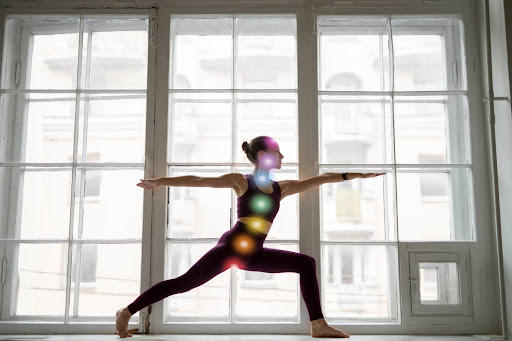

Most people start yoga for one reason. A stiff back, a stressful job, a friend who finally convinced them. But at some point, something changes that they did not sign up for. Sleep improves. Small things stop landing as hard. The body feels different, not just more flexible but more settled.
The benefits of yoga are wider than most people realise when they first start. This article covers 12 of them, each backed by research, with one specific practice for every benefit. And if you are based in or planning to visit India, a yoga school in Rishikesh is where most of this comes to life properly.
Physical Benefits of Yoga
You do not need to be fit to start yoga. That is one of the things that sets it apart. The physical benefits come as a byproduct of showing up consistently, not from being athletic.
1. Improved Flexibility: The Benefit Most People Start For
Research across multiple yoga styles confirms measurable improvements in flexibility over time. A study on Iyengar yoga found significant increases in hamstring and lower back flexibility after just six weeks of once-weekly sessions. A separate 10-week Hatha yoga study showed improvements in flexibility, balance and core strength in participants who had no prior yoga experience.
The key nuance is that flexibility is a result of patience, not force. Patanjali's definition of Asana, Sthira Sukham, means steady and comfortable. Maximum range of motion was never the goal. The body opens when it feels safe.
Limb: Asana (Limb 3)
How to Experience This: In your next class, hold each pose for 5 breaths instead of 3. Notice what releases in the last two breaths. That is flexibility responding to patience, not force.
2. Increased Strength: Yoga Builds Muscle Without a Gym
Yoga builds functional strength through bodyweight resistance. Research confirms that regular practice increases core muscle strength, lean muscle mass and overall physical endurance. Every time you hold Plank (Phalakasana), Warrior II (Virabhadrasana II) or Chair pose (Utkatasana), the muscles are working against resistance across the whole body, not in isolation.
Studies also show yoga helps protect against the muscle and bone loss associated with arthritis and osteoporosis, particularly in middle-aged adults who practise consistently.
Limb: Asana (Limb 3)
How to Experience This: Hold Warrior II (Virabhadrasana II) for 10 full breaths on each side, three times this week. Notice the change in your legs by day three.
3. Better Cardiovascular Health: What Pranayama Does to Your Heart
Studies indicate yoga helps reduce key cardiovascular risk factors including blood pressure, resting heart rate, body weight and inflammation. Research suggests yoga may help minimise the risk of cardiovascular disease through a combination of physical movement and breath regulation working together.
The cardiovascular benefit in yoga comes from two directions at once. The physical postures work the body. The breathwork works the nervous system. Together, they reduce the stress load on the heart more effectively than movement alone.
Limb: Pranayama (Limb 4) and Asana (Limb 3)
How to Experience This: Before your next practice, take 10 rounds of equal breathing, inhale for 4 counts, exhale for 4 counts. Notice your heart rate when you begin moving.
4. Reduced Chronic Pain: Particularly Back Pain and Joint Pain
The American College of Physicians recommends yoga as one of several nonpharmacologic first-line treatments for chronic low back pain, specifically before medication. A Cochrane review of 12 clinical trials found that yoga produces meaningful improvements in back pain and back-related function compared to no exercise at all.
The evidence is moderate quality and the improvements are described as small to moderate, which is still significant for people who have been managing chronic pain for years.
Limb: Asana (Limb 3)
How to Experience This: Cat-Cow pose (Marjaryasana-Bitilasana), 10 rounds every morning before you check your phone. Studies suggest consistent daily movement like this produces measurable back pain relief within two to three weeks.
Mental and Emotional Benefits of Yoga
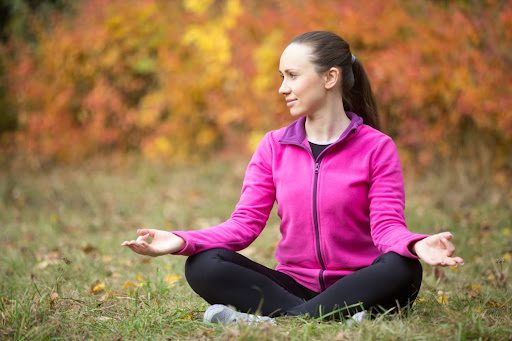
Most people do not start yoga for their mental health. But it is often the reason they keep going. The mental benefits tend to arrive quietly, sometimes weeks in, and they accumulate in ways that are hard to trace back to the mat until you stop practising and notice the difference.
5. Reduced Stress: The Most Researched Benefit of Yoga
Yoga reduces cortisol, the hormone most responsible for the physical feeling of being overwhelmed. A March 2024 study in Acta Psychologica found that 473 participants who practised Sudarshan Kriya Yoga showed significant reductions in stress scores, with effects that continued to improve over 40 days of regular practice. A February 2024 study published in Frontiers in Public Health found that Isha yoga practitioners reported significantly lower stress and mental distress than non-practitioners.
In simple terms: yoga reduces the chemical in your body most responsible for stress, and the evidence for this is stronger than for almost any other benefit yoga claims.
Limb: Pranayama (Limb 4) and Dhyana (Limb 7)
How to Experience This: After any stressful moment today, take 5 slow exhales and make each exhale longer than the inhale. That activates the parasympathetic nervous system immediately.
6. Reduced Symptoms of Anxiety: Evidence from Clinical Trials
There are two kinds of anxiety worth understanding here. State anxiety is how you feel right now, in a tense moment. Trait anxiety is your baseline level of worry, the low hum that is just always there. A 2024 study published in Frontiers in Psychiatry found that yin yoga significantly reduced both in participants over a consistent practice period.
A review of randomised controlled trials on yoga for anxiety found small but consistent short-term reductions in anxiety severity across studies. Yoga helps with anxiety symptoms. It is not a replacement for clinical treatment of anxiety disorders, and the research does not claim otherwise.
Limb: Pranayama (Limb 4) and Pratyahara (Limb 5)
How to Experience This: Try 10 minutes of Yoga Nidra before sleep. Research specifically supports Yoga Nidra for anxiety reduction. It requires no movement.
7. Reduced Symptoms of Depression: Supported by Meta-Analysis
Depression does not respond well to one thing alone. That is part of what makes it difficult to treat. Yoga seems to work here precisely because it works on multiple levels at once, movement, breath, self-awareness, all simultaneously.
A 2023 meta-analysis published in Frontiers in Psychiatry reviewed 34 randomised controlled trials and concluded that yoga is an effective component in managing symptoms of major depressive disorder. Both movement-based and breathwork-based practices showed improvements, and higher weekly frequency produced stronger results.
Limb: Asana (Limb 3), Pranayama (Limb 4) and Svadhyaya within Niyama (Limb 2)
How to Experience This: Five rounds of Sun Salutations (Surya Namaskar) first thing in the morning. Movement, breath and rhythm together, exactly what the studies support.
8. Improved Sleep Quality: What Happens After the Mat
Poor sleep and high stress feed each other. Most sleep interventions address one side of that cycle. Yoga addresses both at the same time by reducing cortisol and activating the parasympathetic nervous system, the two physiological conditions your body needs to fall and stay asleep.
In a 2023 randomised controlled trial, a web-based Hatha yoga programme improved sleep quality significantly in older adults. The proportion reporting good sleep rose from 63 percent to 85 percent after eight weeks of practice. Practitioners who immerse themselves fully, like those doing yoga and meditation in Rishikesh, tend to see these shifts happen faster simply because the environment removes the stressors that interrupt sleep in the first place.
Limb: Pranayama (Limb 4) and Dhyana (Limb 7)
How to Experience This: Legs-Up-The-Wall pose (Viparita Karani) for 10 minutes before bed. This single restorative pose reliably shifts the body into a parasympathetic state.
Whole-Body and Long-Term Benefits of Yoga
These are the benefits that come from the full system working together over time. They cannot be produced by asana alone. They require physical practice, breathwork and mental training all contributing at once, which is exactly what a complete yoga practice is designed to do.
9. Reduced Inflammation: The Silent Benefit
Chronic inflammation rarely announces itself. It builds quietly in the background and shows up years later as heart disease, diabetes or persistent fatigue. The link between stress and inflammation is well established, and this is where yoga has a measurable effect.
A review of 15 studies found yoga reduced biochemical markers of inflammation across several chronic conditions, including C-reactive protein (CRP), one of the most reliable indicators of systemic inflammation in the body. In yogic philosophy, this connects directly to the quality of energy you bring to practice daily. The three Gunas, Sattva, Rajas and Tamas explain why a restless, overstimulated lifestyle drives inflammation while a sattvic one reduces it.
Limb: Asana (Limb 3) and Pranayama (Limb 4)
How to Experience This: Studies suggest 20 minutes of practice four times per week is the minimum threshold at which inflammation markers show measurable reductions. Consistency matters more than duration.
10. Better Balance and Proprioception: Important Beyond the Mat
Proprioception is the body’s ability to sense where it is in space. It is what lets you walk on uneven ground without thinking about it, or catch yourself before you fall. Most exercise builds strength or endurance. Yoga specifically trains proprioception because every pose requires you to feel and adjust your position in real time.
A 2023 meta-analysis of randomised controlled trials found yoga significantly improved balance in older adults, alongside improvements in flexibility and muscle strength. This matters particularly because falls are the leading cause of injury-related death in people over 65.
Limb: Asana (Limb 3)
How to Experience This: Tree Pose (Vrksasana), one minute each side, daily for two weeks. Close your eyes for the last 20 seconds. Notice how different day 14 feels from day 1.
11. Improved Cognitive Function and Focus: What Yoga Does to the Brain
Most people notice they think more clearly after a yoga session. What is less obvious is that this effect compounds over years of practice in ways that show up in brain structure, not just mood.
Long-term yoga practitioners show greater volume in the hippocampus, the part of the brain involved in learning and memory, compared to non-practitioners. A 2023 review in Exercise and Sport Sciences Reviews found yoga improves cognitive function through two pathways: better stress regulation and improved efficiency in how the brain allocates its resources.
Limb: Dharana (Limb 6) and Dhyana (Limb 7)
How to Experience This: Trataka, fixed-gaze concentration, for 5 minutes daily. Focus on a candle flame or a fixed point on the wall. This is Dharana, the direct training of attention.
12. Better Overall Quality of Life: The Benefit That Accumulates Over Years
This one cannot be traced back to a single session. It is what happens when someone practises consistently across months and years and looks back to find that several things are measurably better, sleep, stress, pain, relationships, self-perception.
Research shows yoga improves social connectedness, self-esteem and body image. Studies indicate it may help manage symptoms of chronic conditions including cardiovascular disease, high blood pressure and multiple sclerosis. A 2019 study found consistent potential for yoga to improve quality of life in people managing chronic pain.
Limb: All 8 limbs working together.
How to Experience This: There is no single pose for this one. It is the result of consistent practice across all eight limbs over time. Every session contributes.
Which Part of Yoga Produces Each Benefit?
Every competitor article lists benefits. None of them show you which part of yoga actually produces each one. Here is that map:
| Limb | Benefits Produced |
|---|---|
| Asana (Limb 3) | Flexibility, Strength, Back Pain Relief, Balance |
| Pranayama (Limb 4) | Cardiovascular Health, Stress Reduction, Anxiety Relief, Sleep Quality, Inflammation |
| Pratyahara (Limb 5) | Anxiety Relief (withdrawing attention from external stressors) |
| Dharana and Dhyana (Limbs 6 and 7) | Focus, Cognitive Function, Sleep, Stress |
| Niyama: Svadhyaya (Limb 2) | Depression (self-awareness and honest self-study) |
| All 8 Limbs Together | Overall Quality of Life |
This is why yoga works where other interventions produce narrower results. It is not one practice addressing one problem. It is a complete system addressing the whole person. To understand how each limb works and what it actually involves, read our full guide to the 8 limbs of yoga.
How a 200-Hour Yoga Teacher Training Builds All 12 Benefits Systematically
A weekly yoga class might give you two or three of these benefits consistently. A residential 200-hour training builds all twelve, because every part of the day is structured around the practice.
Morning pranayama sessions before breakfast work directly on the cardiovascular and nervous systems. Daily asana sessions with real-time alignment corrections build strength, flexibility and balance faster than self-practice because errors are caught before they become habits.
The philosophy curriculum addresses the mental and emotional benefits, depression, anxiety, quality of life, not through talking about them but through understanding the mechanisms behind them. Students who study the Yoga Sutras alongside their physical practice consistently report that the philosophy changes them more than the asana does.
The residential environment itself handles Pratyahara. When phones are removed for the first week and the schedule replaces the noise of daily life, sense withdrawal stops being a concept and becomes a lived condition. Most students report better sleep within the first week, not from any single technique but from the structure itself.
If this is the kind of depth you are looking for, our 200-hour yoga teacher training in Rishikesh is where this practice is built properly.
Frequently Asked Questions About the Benefits of Yoga
Yes. Multiple studies confirm yoga reduces cortisol, lowers anxiety scores and improves symptoms of depression. A 2023 meta-analysis of 34 studies found yoga an effective component in managing major depressive disorder. It works best alongside, not instead of, professional mental health support.
Research shows benefits across styles including Hatha, Iyengar, Yin and Ashtanga. No single style outperforms all others across every benefit. Consistency matters more than style. The best yoga is the one you will actually practise regularly.
Partly. Yoga builds strength, flexibility and cardiovascular health, but it does not replicate high-intensity cardiovascular training. For general health and mobility, yoga can serve as a complete practice. For specific athletic goals, it works best alongside other training.
Yes, and this is one of the most well-supported benefits. The American College of Physicians recommends yoga as a first-line, non-medication treatment for chronic low back pain. A Cochrane review of 12 trials confirmed meaningful improvements in back pain and function.
The Benefits of Yoga Are Real And Available to Anyone Who Shows Up
Science has not discovered anything new. It has confirmed what consistent practitioners have observed for a long time. Yoga works because it addresses the whole person, body, breath, mind and behaviour, not just one part at a time.
Pick one benefit from this list. Match it to one practice. Start there this week.
At Yog School India, all 12 of these benefits are part of how we teach, across every limb of the practice. And if you are still figuring out where to study, choosing the right school is the first real decision on that path.