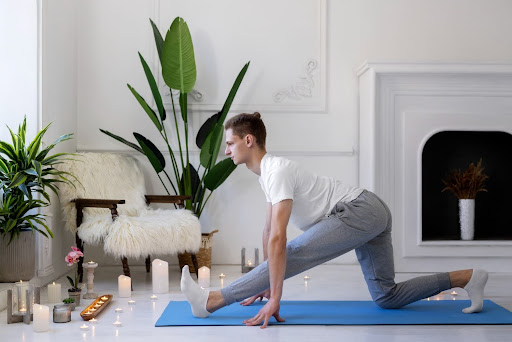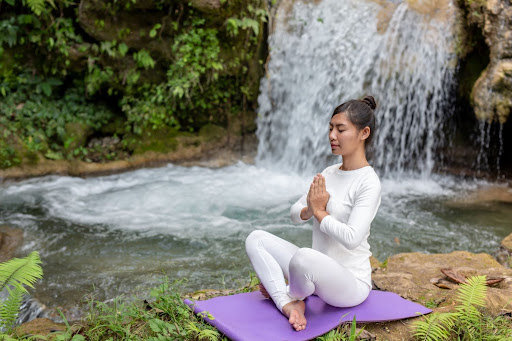

Yoga is a mind‑body practice that brings together physical postures (asanas), breathing (pranayama), and focused awareness. It helps the body and mind work together, not separately. Physical and mental health are connected: stress, anxiety, or poor sleep can affect the body, and body pain or weakness can affect the mind. Yoga calms the nervous system, helping the body relax and reducing stress.
It also supports hormonal balance, keeping emotions steadier. Paying attention to your breath in yoga improves focus and helps the mind stay calm. These effects show why there are many benefits of yoga on physical and mental health, which we will explore in the next sections.
Top 10 Benefits Of Yoga on Physical and Mental Health
Yoga supports the body and mind in many practical ways. Regular practice improves strength, flexibility, focus, and emotional balance. It also helps reduce stress, anxiety, and sleep problems. Below are ten clear benefits of yoga on physical and mental health that explain how yoga improves overall wellbeing.
1. Improves Flexibility and Muscular Strength
Yoga stretches the muscles gently, which makes the body more flexible over time. Areas like the back, shoulders, and hips become less stiff, making daily movements easier. Better flexibility also helps with posture and reduces the risk of muscle strain.
At the same time, yoga builds strength. Many poses use your own body weight, which strengthens muscles in the arms, legs, back, and core. This type of strength training is gentle on the joints, so it helps the body get stronger without the risk of injury.
Over the long term, staying flexible and strong protects the joints, improves balance, and makes movement safer as we age. These changes also make it easier to do other physical activities and stay active every day.
Practicing yoga regularly provides clear physical and mental benefits of yoga, helping the body feel stronger, more agile, and healthier overall.
2. Enhances Cardiovascular Health and Circulation
Yoga also helps keep the heart healthy and improves blood flow in the body. When you practice yoga, the movements are slow and controlled, so the heart does not feel overworked. Regular practice can help lower high blood pressure and reduce pressure on the heart. Many people notice that their heart rate feels calmer after yoga, especially if they often feel stressed or tired.
Different yoga poses involve stretching, bending, and twisting. These movements help blood move better through the muscles and organs. Good circulation means more oxygen reaches the body parts that need it. This can reduce tiredness, muscle tightness, and heaviness in the legs. It also helps the body recover faster after daily work or exercise.
Breathing exercises are an important part of yoga. Deep and slow breathing brings more oxygen into the lungs and helps control the heart rate. It also improves heart rate variability, which shows how well the heart adjusts during rest and activity. A healthy heart can adapt more easily to stress.
Because of these changes, many people use yoga for stress relief and better heart health. These are some of the practical health benefits of yoga for both the body and mind.
3. Regulates the Nervous System and Reduces Stress
Many people stay stressed without noticing it. Long work hours, lack of sleep, and daily pressure keep the body tense all the time. The shoulders feel tight, breathing becomes fast, and the mind keeps thinking about problems. This constant stress affects the nervous system and makes it hard to relax.
Yoga helps the body slow down. When you move through poses and focus on your breath, the parasympathetic system becomes active. This is the part of the body that handles rest and recovery. The heart rate drops, breathing becomes deeper, and muscles start to loosen. You feel calmer within a few minutes.
Regular practice also helps lower cortisol, the stress hormone that builds up during anxiety. Breathing exercises gently stimulate the vagus nerve, which helps control emotions and keeps the body balanced. With time, you don’t react strongly to small problems, and your mind stays more stable.
4. Reduces Anxiety and Promotes Emotional Stability
Yoga helps lower anxiety by calming the breath and relaxing the body. Slow, deep breathing reduces muscle tension and brings the heart rate down. When the body feels relaxed, the mind also begins to settle. This is why many people choose yoga for anxiety as a simple and natural way to manage daily stress.
During practice, attention stays on movement and breathing. This keeps the mind focused on the present moment instead of worrying about the future or replaying past problems. As a result, repeated anxious thoughts slowly reduce. With time, it becomes easier to stay calm in situations that would normally feel overwhelming.
Regular yoga also improves emotional balance. You react less quickly, think more clearly, and handle challenges with more control. These small changes add up and improve overall mental wellbeing through yoga, helping you feel more stable and grounded in everyday life.
5. Supports Recovery from Depression
Yoga can be useful during recovery from depression because it combines movement, breathing, and routine. Physical movement through yoga postures (asanas) helps the body stay active. Regular activity is linked with better levels of serotonin and dopamine, which are chemicals that affect mood, energy, and motivation. When these levels improve, people often feel lighter and more stable emotionally.
Depression often reduces the desire to move or take action. Simple yoga practice helps change this. Even 20–30 minutes of stretching or breathing exercises (pranayama) gets the body moving. Small actions done daily help break long periods of inactivity. This gradual activity can improve focus and reduce mental heaviness.
Routine also matters. Practicing at the same time each day gives structure. Having a fixed schedule adds purpose to the day and prevents isolation. Group classes add social contact. Being around others, talking briefly, and sharing practice time can improve mood and reduce feelings of loneliness.
For these reasons, many people include yoga for depression as part of their overall care for better emotional health.
6. Improves Sleep Quality and Recovery
Yoga helps improve sleep by reducing mental and physical tension that builds up during the day. High stress levels keep the nervous system active and increase cortisol, which makes it harder to fall asleep. Slow stretching and breathing practices (pranayama) help lower this stress response and allow the body to settle into a resting state at night.
Gentle postures (asanas) release tightness in the back, hips, and shoulders. Muscle stiffness and body discomfort often disturb sleep or cause frequent waking. When the body feels loose and comfortable, sleep becomes deeper and more continuous.
Regular practice may also help regulate melatonin, the hormone that controls the sleep–wake cycle. Balanced melatonin levels support faster sleep onset and better recovery during the night. Restorative yoga and Yoga Nidra focus on full-body relaxation and quiet mental activity, which helps reduce fatigue and supports healing after long or stressful days.
7. Strengthens the Immune System
Regular yoga practice helps the immune system work more efficiently by improving circulation, reducing inflammation, and lowering stress levels. Long-term stress and poor lifestyle habits can weaken immunity and make the body more prone to infections. Yoga helps address these issues through simple movement and breathing.
Gentle stretching and postures (asanas) improve blood flow and support the lymphatic system. The lymphatic system is responsible for removing waste, toxins, and harmful substances from the body. Unlike the heart, it does not have its own pump. It depends on body movement to function properly. When you stretch, twist, and move during yoga, lymph flow increases, which helps the body clear waste more effectively.
Yoga may also help reduce inflammation. Constant stress raises cortisol and other chemicals that can lead to chronic inflammation over time. High inflammation can weaken the immune response. Breathing practices (pranayama) and relaxation techniques help lower stress levels, which supports healthier immune function.
With regular practice, the body becomes better prepared to fight common illnesses and recover faster after fatigue or minor infections.
8. Enhances Focus, Memory, and Mental Clarity
Yoga requires attention to body position, balance, and breathing (pranayama). This constant attention improves concentration. Holding poses (asanas) and following instructions during a session keeps the mind engaged in one task at a time. Over time, it becomes easier to stay focused during daily activities such as work, reading, or studying.
Slow breathing and meditation reduce mental overload. When the mind is not filled with constant thoughts or distractions, thinking becomes clearer. Tasks feel easier to complete, and decision-making improves. Many people notice fewer mistakes and better recall of information during the day.
Short periods of stillness at the end of practice give the brain time to rest. This rest reduces mental tiredness that builds up from long hours of screen use or multitasking. As a result, the mind feels fresh, organized, and more alert. These changes improve clarity, memory, and overall mental performance in everyday life.
9. Builds Emotional Resilience and Self-Awareness
Emotional resilience means handling situations calmly instead of reacting instantly. Yoga creates this skill by increasing awareness of both body and thoughts during practice. While holding poses (asanas), you notice discomfort, tiredness, or frustration, but you learn to stay steady and complete the posture without rushing or quitting. This habit slowly changes how you respond to challenges outside the mat as well.
A small pause between a situation and your response makes a big difference. Yoga builds this pause. Instead of reacting quickly with anger, worry, or stress, you become more aware of what you are feeling. This awareness helps you choose a better response rather than acting automatically.
Mindfulness develops naturally through regular sessions. Paying attention to movement, posture, and stillness improves self-observation. You start recognizing mood changes earlier and understand your triggers more clearly. With time, emotional control improves. Mood swings reduce, reactions become balanced, and decision-making feels more stable.
This steady self-awareness supports stronger emotional regulation in daily life.
10. Promotes Long-Term Inner Peace and Overall Wellbeing
Yoga supports long-term wellbeing when practiced regularly. It is not about doing long or difficult sessions. Even 15–20 minutes of simple postures (asanas) and light breathing practices (pranayama) each day can keep the body active and the mind calm.
Daily movement reduces stiffness, improves flexibility, and helps maintain steady energy levels. At the same time, regular practice helps clear the mind, improves mood, and makes it easier to handle daily pressure. These small changes add up over time.
Because yoga is simple and can be done at home, most people can follow it consistently without stress and transform their inner peace. This regular habit supports both physical strength and mental balance, showing the real benefits of yoga on physical and mental health in everyday life.
How Yoga Simultaneously Strengthens the Body and Calms the Mind
Yoga trains the body and the mind together. Every posture (asana) requires muscle effort, balance, and coordination, while the mind stays focused on breath and movement. This combination keeps both systems active at the same time instead of working separately.
- Mind–body integration: When you stretch or hold a pose, muscles strengthen and joints become more mobile. At the same time, attention stays on the present moment. This reduces overthinking and helps the mind stay clear.
- Breath as the bridge (pranayama): Breathing connects physical effort with mental calm. Slow, controlled breaths lower the heart rate and relax muscle tension. The nervous system receives signals to slow down, which helps reduce stress during practice.
- Neuroplasticity and brain function: Regular yoga improves focus, memory, and coordination. Repeating movements and short meditation sessions train the brain to respond better to pressure. Over time, concentration improves and mental fatigue reduces.
- Hormonal balance: Yoga helps lower excess cortisol and supports better regulation of sleep and mood hormones. This makes energy levels more stable through the day.
- Stress adaptation: With consistent practice, the body handles stress more efficiently. Recovery becomes faster and small daily pressures feel easier to manage.
Together, these changes show how yoga strengthens the body while calming the mind at the same time.
Which Type of Yoga Is Best for Physical and Mental Health?
Different styles of yoga offer different benefits. Some focus more on strength and movement, while others focus on relaxation and mental calm. The best choice depends on your fitness level, energy, and personal goals. Many people even combine two or three styles during the week to support both the body and the mind.
1. Hatha Yoga for Balanced Beginners
Hatha Yoga is often recommended for beginners because the pace is slow and easy to follow. Postures (asanas) are held for longer, which gives enough time to understand alignment and breathing. This helps build flexibility, strength, and balance without putting too much pressure on the body.
The slower speed also makes it easier to focus on breath control (pranayama) and body awareness. This naturally relaxes the mind and reduces mental tension. Beginners feel less rushed and more comfortable learning the basics.
Hatha Yoga is a good starting point for anyone who wants steady physical improvement along with mental calmness.
2. Vinyasa Yoga for Strength and Stamina
Vinyasa Yoga links movement with breath in a continuous flow. Poses change smoothly from one to another, which keeps the body active and raises the heart rate. This style improves strength, stamina, and overall fitness.
Because the body keeps moving, circulation improves and muscles become more toned. It can also support weight management and better cardiovascular health.
Mentally, the constant flow requires focus and coordination. This keeps the mind engaged and reduces distractions. Many people finish a session feeling both physically tired and mentally refreshed.
Vinyasa works well for those who prefer a more active and energetic practice.
3. Restorative Yoga for Deep Relaxation
Restorative Yoga focuses on rest and recovery rather than effort. Poses are supported with props like cushions, bolsters, or blankets so the body can fully relax. Each posture is held for several minutes with little movement.
This helps release deep muscle tension and allows the nervous system to slow down. Heart rate drops, breathing becomes softer, and the mind settles naturally.
It is especially helpful for stress, fatigue, poor sleep, or burnout. Even one session can feel calming and refreshing.
Restorative Yoga is ideal for people who need physical rest and mental quiet more than intense exercise.
4. Kundalini Yoga for Emotional Release
Kundalini Yoga combines movement, breathing techniques (pranayama), chanting, and meditation. The goal is to release stored tension and improve emotional balance.
The practice often includes repeated movements and specific breath patterns. These techniques increase circulation and energy while helping clear mental blocks. Many people notice improved mood and better emotional control after regular sessions.
Meditation is also a key part of this style, which helps improve awareness and concentration.
Kundalini Yoga suits those who want both physical activity and deeper mental or emotional work.
5. Chair Yoga for Gentle Accessibility
Chair Yoga is designed for people who need a softer approach. It uses a chair for support, which reduces strain on the joints and lowers the risk of injury. This makes it suitable for seniors, beginners, or anyone recovering from illness or surgery.
Simple seated or supported poses help improve flexibility, circulation, and light muscle strength. Even gentle movement can reduce stiffness and improve mobility.
Breathing exercises and light stretches also help calm the mind and reduce stress.
Chair Yoga shows that you don’t need complex poses to experience the physical and mental benefits of yoga.
How Often Should You Practice Yoga to Experience Noticeable Benefits?
Yoga does not require long or intense sessions to show results. What matters most is how regularly you practice. A simple, consistent routine helps the body become stronger and more flexible while also improving focus and mental calm. Even short sessions done a few times a week can lead to noticeable changes over time
- Practice 3–5 times a week: This frequency works well for most people. It gives the body enough movement to build flexibility and strength while also giving time to recover. Practicing only once a week usually slows progress, while daily intense sessions may feel tiring for beginners.
- Keep each session 20–40 minutes: You don’t need long classes to see results. Even 20 minutes of postures (asanas), simple breathing (pranayama), and a short relaxation can improve mobility, circulation, and mental focus. Short, regular sessions are more effective than occasional long workouts.
- Focus on consistency, not intensity: Benefits appear when yoga becomes a routine. Showing up regularly matters more than doing difficult poses. A steady schedule helps the body adapt and keeps the mind calm.
- Increase gradually over time: Start slow and add time or extra days only when comfortable. Gradual progression reduces the risk of soreness or injury and makes the practice easier to maintain long term.
- Listen to your body: Rest when needed. Gentle days and stronger days can be balanced based on energy levels.
Can Yoga Replace Gym Workouts or Therapy?
Yoga supports both physical fitness and mental wellbeing, but it should not be seen as a complete replacement for the gym or professional therapy. Each approach serves a different purpose. Yoga improves flexibility, balance, breath control, and mental calm, while gyms focus more on strength training, endurance, and muscle building. Therapy, on the other hand, addresses deeper emotional or psychological concerns that require expert guidance.
Here’s a balanced way to look at it:
Yoga is a complementary practice: It works well alongside other forms of exercise. You can combine yoga with gym workouts to improve mobility, prevent stiffness, and support faster recovery.
- It helps manage daily stress and mood: Breathing practices (pranayama), postures (asanas), and relaxation techniques can reduce tension and improve mental clarity, but they may not replace structured mental health treatment.
- Professional help is important when needed: For injuries, chronic pain, anxiety disorders, or depression, guidance from doctors or therapists is necessary. Yoga can support recovery but should not replace medical care.
- Balance gives better results: Mixing yoga, strength training, and proper mental health support creates a more complete and sustainable routine.
Why Learning Yoga in Rishikesh Deepens Physical and Mental Transformation
Learning yoga in a calm and focused place often leads to better results than practicing only at home. Daily responsibilities, noise, and screen time can break concentration. In Rishikesh, the environment supports practice instead of distracting from it, which helps both the body and the mind settle into a routine.
Life here usually follows a simple structure. Most days begin early with postures (asanas), breathing practices (pranayama), and meditation. Practicing at the same time each day builds discipline. When yoga becomes part of a fixed schedule, strength, flexibility, and mental focus improve more consistently.
The natural surroundings also make a difference. The town is close to the Himalayas and the Ganges River, and the quieter setting helps reduce mental fatigue. With less traffic and fewer daily pressures, it is easier to pay attention to the body and breath.
Another important factor is community. Learning with teachers and other students creates support and accountability. Group classes encourage regular practice and make it easier to stay motivated.
Spending less time on phones and laptops also helps. Fewer digital distractions improve sleep, focus, and mental clarity.
Because of these practical factors, many people experience deeper physical progress and better mental balance during their time here.
Frequently Asked Questions About the Benefits of Yoga
1. How long does it take to see physical benefits from yoga?
Most people feel less stiffness and better flexibility within 2–3 weeks if they practice regularly. Strength and muscle tone usually take 1–2 months. Results depend more on consistency than session length.
2. How long does yoga take to improve mental health?
Mental changes often appear faster. Even one session can reduce stress and calm the mind. With regular breathing (pranayama) and relaxation practices, sleep, focus, and mood usually improve within a few weeks. Long-term practice helps maintain emotional balance.
3. Is yoga enough exercise for overall fitness?
It depends on your goal. Yoga improves flexibility, balance, mobility, and moderate strength. Active styles can also support heart health. But for heavy muscle building or intense cardio training, combining yoga with gym workouts or sports is usually better.
4. Can beginners experience these benefits?
Yes. Beginners often notice quick improvements because the body responds fast to new movements. Simple poses and basic breathing are enough to reduce stress and tightness. Advanced postures are not required.
5. What is the best time of day to practice yoga?
Morning helps with energy and focus. Evening helps release tension and sleep better. The best time is simply the one you can follow consistently.
Begin Your Journey Toward Holistic Health
Yoga helps the body move better and the mind stays calmer. With regular practice, muscles get stronger, joints loosen up, and posture improves. Many people also notice fewer aches and better sleep. Daily tasks feel easier because the body is not as tight or tired.
It also supports mental health in a practical way. Breathing exercises (pranayama) and slow, controlled movements reduce stress and help the mind settle. Focus improves, mood feels more stable, and reactions to pressure become easier to manage. These changes build gradually with time.
You don’t need long sessions or difficult poses. Even 20–30 minutes a few times a week is enough. Keeping the routine simple makes it easier to stay consistent, and consistency is what brings real results.
If you want to learn yoga in a more focused setting, programs offered by Yog School India in Rishikesh provide structured training and wellness courses that support both physical and mental development.