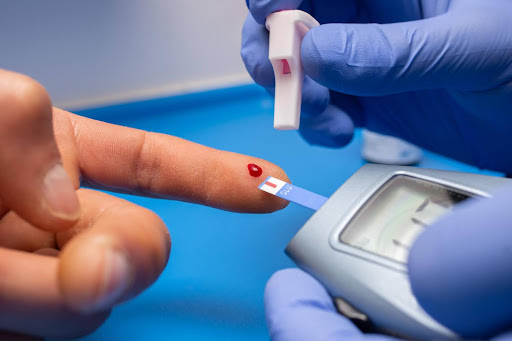

Quick Answer : What is Diabetes?
Diabetes is a condition in which the body either cannot produce enough insulin (Type 1) or cannot use it effectively (Type 2). Common symptoms include frequent urination, excessive thirst, unexplained fatigue, blurred vision and slow-healing wounds. Type 2 diabetes — which accounts for 90 to 95 percent of all cases — responds directly to lifestyle changes including yoga. While yoga does not replace medical treatment, clinical research supports it as a daily practice for reducing blood sugar, lowering cortisol and improving insulin sensitivity.
5 Yoga Asanas for Diabetes Management:
- Ardha Matsyendrasana (Half Spinal Twist): Stimulates the pancreas directly. Most consistently cited in clinical research for blood sugar improvement.
- Dhanurasana (Bow Pose): Compresses the pancreas rhythmically and reduces abdominal fat — a primary driver of insulin resistance.
- Paschimottanasana (Seated Forward Bend): Lowers cortisol through parasympathetic activation. Cortisol reduction directly lowers blood sugar.
- Kapalbhati Pranayama: Repeated abdominal contractions stimulate insulin-producing beta cells. Clinically shown to reduce fasting and post-meal glucose.
- Shavasana (Corpse Pose): Resets the nervous system and brings cortisol down. Not optional — include it at the end of every session.
537 million people are living with diabetes right now. By 2045, that number is likely to cross 780 million. Most of those cases are Type 2. And most Type 2 cases come down to lifestyle.
Yoga will not cure diabetes. But there is real clinical research behind it as a daily supporting practice. At our yoga school in Rishikesh, students managing Type 2 and pre-diabetes go through structured daily practice. Over weeks, the changes show up in blood work, not just in how people feel.
This guide covers what diabetes is, what the warning signs look like, and five yoga practices with actual research behind them for blood sugar management.
Medical Disclaimer: This article is for informational purposes only. It is not medical advice. Always speak to your doctor before changing your diabetes management plan.
What Is Diabetes?
Your body runs on glucose. Every meal you eat gets broken down into it. It travels through the blood and your cells use it for energy. Simple process, works fine, until it does not.
The pancreas makes a hormone called insulin. Insulin is what moves glucose from the blood into the cells. No insulin, glucose stays in the blood. Cells do not get fed. Blood sugar climbs.
That is diabetes. Either the pancreas has stopped making enough insulin, or the body has stopped responding to it. Both end up in the same place. Glucose building up in the blood, and over time, that damages things. Blood vessels, nerves, kidneys, eyes.
It does not happen overnight. That is part of what makes it easy to miss.
Types of Diabetes: What You Need to Know
Type 1 Diabetes
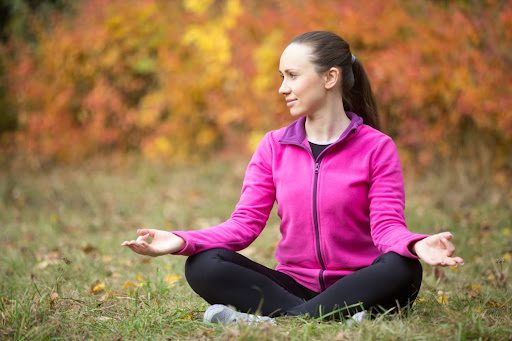
Type 1 is autoimmune. The body’s immune system attacks and destroys the insulin-making cells in the pancreas. No insulin gets produced. It usually shows up in childhood or young adulthood but can happen at any age. Insulin injections are not optional here, they are necessary for survival. Yoga helps with stress management and overall wellbeing, but it does not change the autoimmune cause.
Type 2 Diabetes
This is 90 to 95 percent of all diabetes cases. The pancreas still makes insulin. The problem is that cells stop responding to it properly. That is called insulin resistance. Weight, physical inactivity, poor diet, chronic stress and genetics all play a role. Over time the pancreas wears itself out trying to compensate and insulin production also drops. This is the type that responds most to lifestyle changes. Yoga is most relevant here.
Pre-Diabetes
Blood sugar is above normal but has not crossed the threshold for a Type 2 diagnosis yet. Most people have no symptoms. Normal fasting blood sugar is between 70 and 99 mg/dL. Pre-diabetes sits between 100 and 125 mg/dL. More than 2 in 5 adults are in this range right now without knowing it. This is the window where lifestyle changes, including yoga, can actually stop progression to Type 2.
Gestational Diabetes
Develops during pregnancy in women who did not have diabetes before. Usually clears up after birth. But having it significantly raises the risk of Type 2 later in life. Yoga during pregnancy needs different guidance from a general practice. If you are managing gestational diabetes, speak to your doctor before starting any yoga.
Common Symptoms of Diabetes
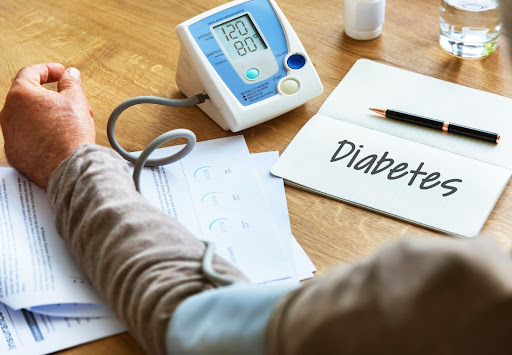
Diabetes does not always announce itself. Type 2 especially can sit quietly for years before someone gets diagnosed. These are the signs that show up, sometimes together, sometimes one at a time.
Frequent urination. The kidneys are trying to flush out the extra glucose. You end up going more than usual, including through the night.
Constant thirst. Losing that much fluid means the body keeps asking for more. The two usually come together.
Tiredness that does not go away. When glucose is not reaching the cells, the body has no fuel. Sleep does not help because the problem is not tiredness, it is the cells not getting what they need.
Vision going blurry. Excess sugar pulls fluid into the lens of the eye. Focus becomes inconsistent. It can come and go through the day.
Cuts and wounds healing slowly. Poor circulation means the body is slower to repair itself. A small wound that lingers longer than it should is worth noting.
Infections that keep coming back. High sugar creates an environment where bacteria and yeast grow more easily. Recurring skin or urinary infections are a pattern people often ignore for too long.
Tingling or numbness in the hands and feet. This is nerve damage, neuropathy, from prolonged high blood glucose. Once it starts it is hard to reverse.
Sudden unexplained weight loss. More common in Type 1. The body starts burning fat and muscle when it cannot access glucose for energy.
Many people with Type 2 have no obvious symptoms at all. A blood glucose test once a year is the only way to know for certain.
How Does Yoga Help with Diabetes?
Yoga is not a replacement for medication. What research shows is that it works alongside standard treatment by addressing the actual drivers of blood sugar problems.
A 2018 review by Raveendran, Deshpandae and Joshi, available on PMC, went through 25 controlled trials. Consistent improvements in blood glucose, lipid levels and body composition showed up across the board in Type 2 patients who practised yoga regularly. For a wider picture of what consistent yoga does to the body, the science-backed benefits of yoga cover that in detail.
Here is how it actually works:
Cortisol and blood sugar are directly connected. When stress goes up, cortisol goes up. When cortisol goes up, blood sugar goes up. Yoga calms the nervous system and brings cortisol down. This is not vague. It is physiology. It is also why the mental health side of yoga matters for people managing metabolic conditions, not just for mood.
Certain poses compress the pancreas. The mechanical pressure from specific asanas on the abdominal organs is thought to stimulate insulin-producing beta cells. The poses that do this most directly are in the next section.
Insulin sensitivity improves with regular practice. In Type 2, cells have become resistant to insulin’s signal. Studies show consistent yoga practice helps reverse that resistance.
Body fat around the abdomen drives insulin resistance. Yoga supports gradual reduction in that fat over time, which directly reduces resistance.
5 Yoga Asanas for Diabetes: And Why Each One Works
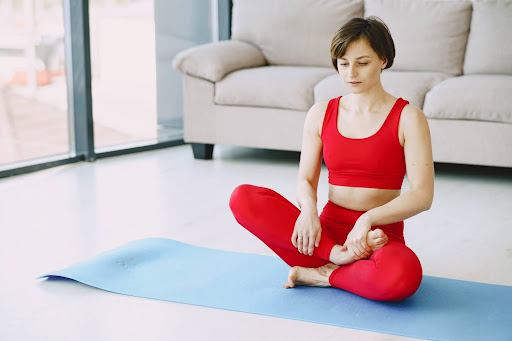
Not every pose works on blood sugar the same way. Some press directly on the pancreas. Some bring cortisol down. Some work on the belly fat that makes insulin resistance worse. These five come up most in clinical research on yoga and diabetes.
1. Dhanurasana (Bow Pose)
When you lift into this pose, the entire abdominal area compresses. The pancreas sits right in that region. As you hold and breathe, that pressure builds and releases rhythmically. Research has specifically noted Dhanurasana alongside Ardha Matsyendrasana as producing the most consistent blood sugar improvements of the poses studied. It also works on abdominal fat, which is one of the main drivers of insulin resistance.
How to do it:
- Lie on your stomach, arms by your sides.
- Bend your knees and bring your heels toward your hips.
- Reach back and hold your ankles with both hands.
- Inhale and lift your chest and thighs off the floor together.
- Look forward and breathe steadily.
- Exhale and lower back down slowly.
Hold: 20 to 30 seconds. Repeat 2 to 3 times.
Skip this if you have a hernia, high blood pressure, lower back injury, or recent abdominal surgery.
2. Halasana (Plough Pose)
Most people know this as an inversion. What matters for diabetes is what it does to the abdominal organs. The pose folds the body in a way that puts direct pressure on the pancreas and the thyroid. The thyroid regulates metabolism. Metabolism affects blood sugar. The connection is not indirect.
How to do it:
- Lie on your back, arms flat by your sides, palms down.
- Inhale and lift both legs to 90 degrees.
- Exhale and slowly roll your hips off the floor, legs going over your head.
- Lower your toes toward the floor behind you.
- Support your lower back with your hands or keep arms flat on the mat.
- Breathe steadily and hold.
- Come out by rolling the spine back down one vertebra at a time.
Hold: 30 to 60 seconds.
Skip this if you have diabetic retinopathy, a neck injury, high blood pressure, or are pregnant.
3. Paschimottanasana (Seated Forward Bend)
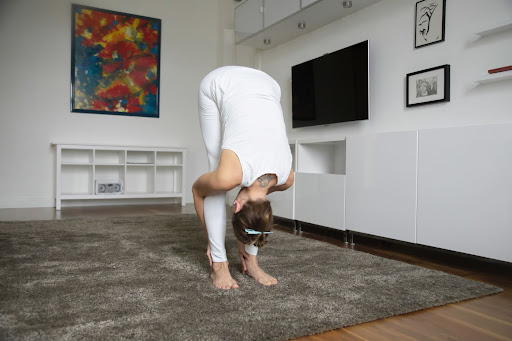
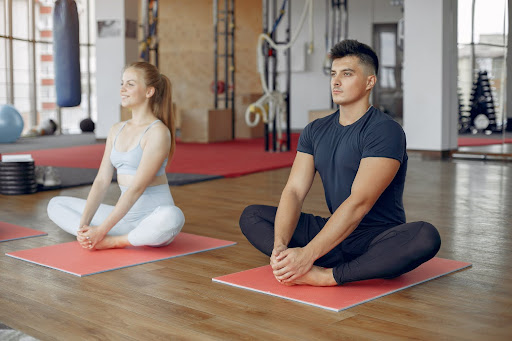
This one works from two sides at once. The forward fold presses into the abdominal organs, including the pancreas and kidneys. At the same time, the sustained stretch and stillness shifts the nervous system into a parasympathetic state. Cortisol drops. Blood sugar follows. If you can only add one calming pose to your practice, this is it.
How to do it:
- Sit with both legs straight out in front.
- Inhale and sit tall.
- Exhale and hinge forward from the hips, not the waist.
- Hold your feet, ankles or shins, wherever you reach comfortably.
- Breathe steadily. Let the body ease further with each exhale.
- Inhale slowly to come back up.
Hold: 30 to 60 seconds. Repeat 2 to 3 times.
Skip this if you have a slipped disc, sciatica or hamstring injury. Use a strap around the feet if needed.
4. Ardha Matsyendrasana (Half Spinal Twist)
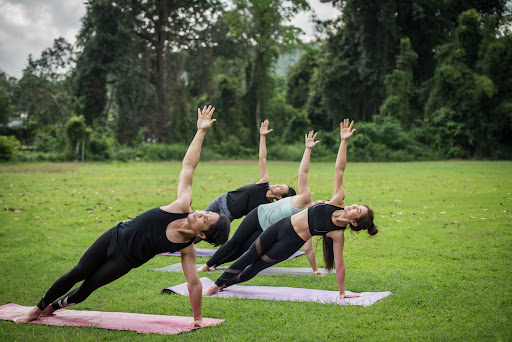
The twist does something the other poses cannot. It reaches the pancreas from behind, through the intestines, and stimulates it directly. The liver, kidneys and adrenal glands also get worked. If you are short on time and can only do one pose from this list, make it this one. The research specifically names it for diabetes management.
How to do it:
- Sit with both legs out straight.
- Bend your right knee and place your right foot flat on the floor outside your left thigh.
- Bend your left knee and tuck the left foot near your right hip, or keep the left leg straight.
- Inhale and sit tall.
- Exhale and twist to the right. Left elbow to the outside of the right knee.
- Right hand flat on the floor behind you.
- Hold and breathe. Go slightly deeper with each exhale.
- Release and repeat on the other side.
Hold: 30 to 60 seconds each side.
Skip this if you are pregnant, have had recent abdominal surgery, or have a spinal injury.
5. Shavasana (Corpse Pose)
People skip this. They should not. Shavasana is not about lying down after a tiring session. It is a deliberate shift in the nervous system, from sympathetic to parasympathetic. That shift lowers cortisol. For people with diabetes, chronically elevated cortisol is one of the reasons blood sugar stays high. Ten minutes of Shavasana done properly is not optional. It is part of the treatment.
How to do it:
- Lie flat on your back, legs slightly apart, arms resting away from the body, palms facing up.
- Close your eyes and stop trying to do anything.
- Breathe naturally.
- Stay still and let the body do the rest.
Hold: 5 to 10 minutes. Longer after a demanding practice.
Contraindications: None.
Pranayama for Diabetes: The Practice Most Articles Miss
Most yoga and diabetes articles cover asanas and stop there. Pranayama is where a big part of the metabolic work actually happens.
Kapalbhati Pranayama
Every sharp exhale in Kapalbhati pulls the abdomen inward. That repeated contraction puts direct pressure on the pancreas. Studies suggest this stimulates the beta cells that produce insulin. A 2018 clinical study tracked Type 2 diabetic patients over 30 days of Kapalbhati practice and found significant drops in both fasting blood glucose and post-meal blood glucose levels.
Start small. Sit with your spine straight. Breathe in normally, then push the air out through the nose sharply by pulling your abdomen in. The breath back in happens on its own. Twenty rounds to begin with. Build from there over weeks, not days.
Skip Kapalbhati if you are pregnant, have high blood pressure, a heart condition, or have had recent abdominal surgery.
Anulom Vilom (Alternate Nostril Breathing)
This one works differently. There is no force involved. You simply alternate which nostril you breathe through, using your fingers to close one side at a time. Right thumb closes the right nostril, inhales through the left. Ring finger closes the left, exhale through the right. Inhale right, close, exhale left. That is one round.
It sounds simple because it is. But done consistently, it settles the nervous system, brings cortisol down and supports hormonal balance. No contraindications for most people. Anyone can start this today.
One thing to remember: pranayama always comes after asanas, never before. The order is asanas, then pranayama, then Shavasana. That sequence matters.
Important Safety Notes for Diabetics Practising Yoga
Yoga is safe for most people managing diabetes. But some practices need to be modified or skipped depending on your specific situation. Every point below has a clinical reason.
Talk to your doctor first if you are on insulin or diabetes medication before starting yoga.
Check blood glucose before and after practice. Yoga can lower blood sugar. Keep a fast-acting snack nearby.
Skip inversions if you have diabetic retinopathy. Halasana and Sarvangasana raise pressure in the eyes. Do not do them if retinopathy has been diagnosed.
Skip Kapalbhati if you are pregnant or have high blood pressure. The abdominal force is not safe in these conditions. Use Anulom Vilom instead.
Move slowly between poses. Sudden changes in position can drop blood pressure, especially on medication.
Do not do Kapalbhati right after eating. Wait at least two hours after a meal.
Hot yoga is not suitable for diabetics. Dehydration in high heat directly affects blood sugar and makes it harder to control.
Can Yoga Alone Manage Diabetes?
No. It is a supporting practice, not a replacement for medication or medical care.
For pre-diabetes and early-stage Type 2, consistent lifestyle intervention including yoga, diet and stress management has been shown in some cases to slow or reduce medication dependency. But the research only holds for people who practice every day, not once in a while. A daily habit over months is what produces results. A weekly class does not.
Frequently Asked Questions
No single pose covers everything. Ardha Matsyendrasana and Dhanurasana work directly on the pancreas. Kapalbhati works on insulin production. Shavasana brings cortisol down. Doing all of them together in one daily practice is what the research actually supports.
No. Blood sugar still needs to be managed medically. What yoga does is support that management, through cortisol reduction, improved insulin sensitivity and weight management. It works alongside treatment, not in place of it.
30 to 45 minutes daily is what clinical studies point to. That said, 10 minutes every single day will do more than an hour once a week. Regularity matters more than duration.
Yes. Check blood glucose before and after practice, keep a fast-acting snack close by, and avoid strong breath retention techniques. Let your doctor know you are starting so they can factor it into your insulin management.
This is actually where yoga has the clearest impact. At the pre-diabetic stage the body is still responding to lifestyle changes. Regular practice combined with dietary changes has kept many people from crossing into Type 2. The earlier you start the more room there is to work with.
The Long-Term View: Yoga as a Lifestyle, Not a Remedy
The students who see the biggest changes in metabolic health are not the ones who practice twice a week when they remember. They are the ones who make it part of every day.
Blood sugar improvements, cortisol reduction, better insulin sensitivity. None of these come from occasional sessions. They build through daily practice over weeks and months. One session does nothing. Three months of daily sessions changes blood work.
A 28-day residential training builds that daily structure.. Students arrive managing pre-diabetes or Type 2. They leave with a practice, a real understanding of the 8 limbs of yoga as a system, and habits that are genuinely hard to let go of once built.
The students who maintain their practice after training almost always say the same thing: the school they chose made the difference.