
Quick Answer
Yes. Rishikesh is rated 4 out of 5 for solo female safety by TravelLadies one of the highest ratings in India. The town has no nightclub culture, a large permanent international yoga community, and an alcohol-free atmosphere in most areas. The main areas Tapovan, Ram Jhula and Laxman Jhula are safe to walk during the day and into the evening. After 11pm, take an auto-rickshaw rather than walking alone. For women arriving for a residential yoga programme, the structure of a TTC adds an additional layer of safety from day one.
Yes, and it is one of the safer places in India to travel alone as a woman. That is not a reassurance. It is what the data and consistent traveller experience over years actually shows.
Rishikesh is a pilgrimage town. It has no nightclub culture, a large permanent international community, and an economy built almost entirely around spiritual tourism and yoga. The character of the place is genuinely different from most Indian cities, and that difference matters when it comes to safety.
This guide covers what Rishikesh is actually like for women travelling alone, whether you are coming from abroad or from within India. Where to stay, what to wear, how to get there from Delhi, and what to do if something feels wrong. We run a yoga school in Rishikesh and see solo female students arrive every month of the year. Everything here is based on that experience.
First: Is India Safe for Solo Female Travellers in General?
India is a large country and safety varies depending on where you are. Some states are quieter and more conservative. Some cities require more awareness, particularly after dark or in unfamiliar areas. Generalising the entire country based on headlines from one part of it does not give an accurate picture.
Uttarakhand, the state where Rishikesh sits, is consistently considered one of the safer states for women travelling alone. The culture is more conservative, the pace is slower, and the towns along the Ganga have a very different character from large metro cities.
Rishikesh specifically draws a particular kind of traveller: yoga students, pilgrims, wellness seekers. That shapes everything from how locals interact with visitors to what the town feels like at night. It is a different conversation from India in general.
Where Does Rishikesh Rank for Women's Safety in India?
TravelLadies currently ranks Rishikesh 28th safest place in India for solo female travellers, with an overall safety rating of 4 out of 5. That rating comes from real traveller reports, not tourism board data.
Uttarakhand and Rishikesh specifically are consistently listed among the safest regions in India for women travelling alone, alongside states like Himachal Pradesh, Rajasthan and Kerala.
The gap between Rishikesh and large metro cities is significant. Lower population density, no nightlife culture, and a town where most people are here for yoga, pilgrimage or trekking creates a very different environment. Crime rates are low compared to larger Indian cities, and the town’s economy depends heavily on tourism, which creates a natural incentive for locals to maintain a welcoming and safe environment.
Why Rishikesh Is Different From the Rest of India
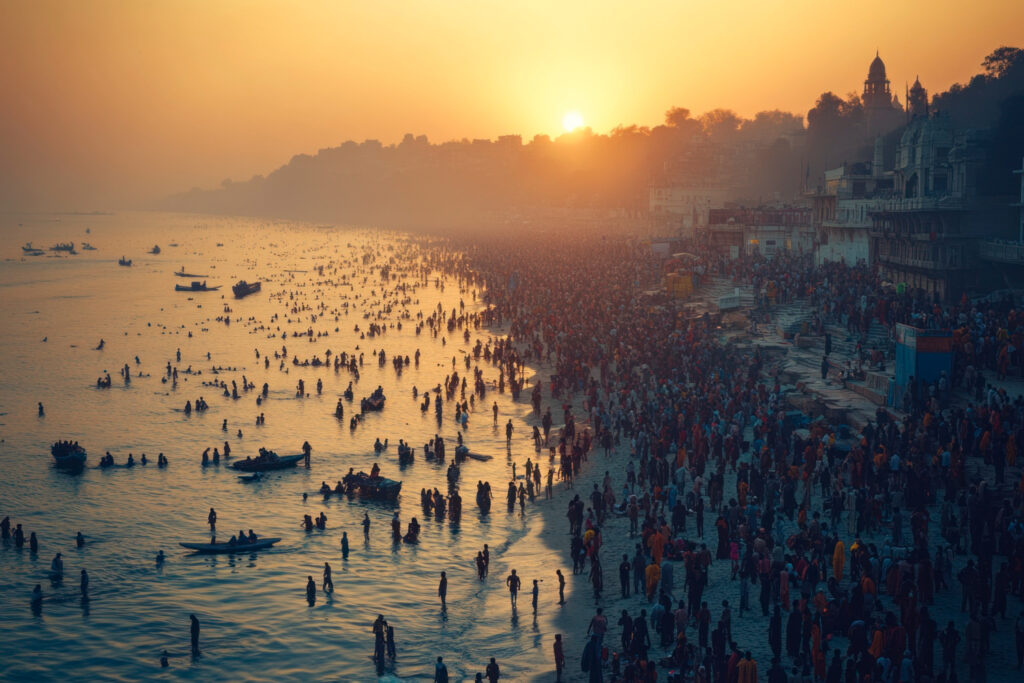
It is a spiritual city and that shapes behaviour
Rishikesh is a pilgrimage site. For the people who live here, the Ganga and the ashrams along its banks carry genuine religious significance. That shapes how people behave, how they treat visitors, and what the town feels like to walk through. Inappropriate behaviour is not just socially unacceptable here. It goes against something people actually believe in. That creates a different kind of environment from a regular tourist town. People who have experienced yoga and meditation in Rishikesh often say the city has a quality that is hard to describe until you are in it.
The international yoga community is always present
Rishikesh is well known among female travellers outside India for its yoga scene. Solo female students arrive here throughout the year for yoga training. At any point in the year, hundreds of international women are in Rishikesh, many of them travelling alone. Solo female travellers are common enough here that nobody looks twice. The community is established, visible and easy to connect with within the first day.
Alcohol and meat are restricted in many areas
The entire town is alcohol-free and vegetarian in most areas, which naturally draws a calmer crowd. The absence of a drinking culture in the main areas around the ghats and Tapovan removes a significant source of late-night risk. The atmosphere after dark in Rishikesh is quieter and more settled than most Indian towns of comparable size.
Police presence is consistent in tourist areas
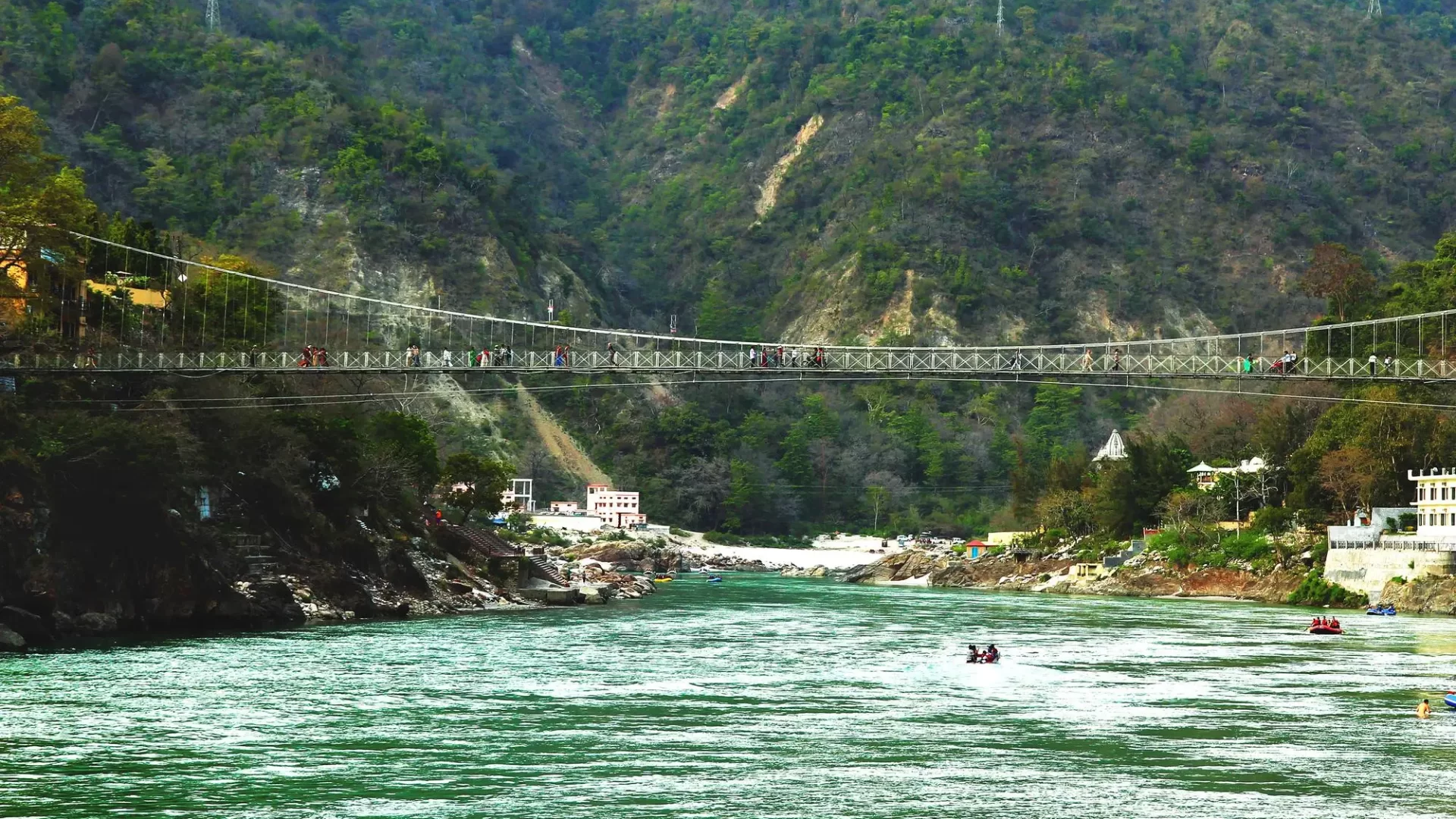
Tapovan, Ram Jhula and Laxman Jhula have regular police patrols. Tourist police familiar with international visitors operate across these areas. The visibility matters practically. It shapes how people behave in public spaces and gives women a clear option if something goes wrong.
What Is Rishikesh Actually Like for Foreign Women?
At 5:30am, the ghats are already busy. Pilgrims are bathing in the Ganga. Temple bells are going. Yoga students are walking to morning class with mats under their arms. The streets smell like incense and marigolds.
By 8am the cafes near Laxman Jhula are open. Tables fill up with travellers from Germany, Israel, South Korea, Brazil. The market lanes come alive through the morning, small shops selling rudraksha beads, cotton kurtas, spiritual books. The paths are narrow and uneven and full of people going somewhere.
The Ganga Aarti at Parmarth Niketan at dusk draws a crowd every evening. Locals, pilgrims, tourists all gathered while priests move fire in slow circles over the river. You can stand there alone and feel completely at ease.
One thing worth naming honestly: staring happens. Visitors from rural parts of India who are not used to seeing foreign women will look, sometimes for longer than feels comfortable. Occasionally there are requests for photos. A simple no is enough. It is almost never threatening. Most women describe it as noticeable for the first couple of days and easy to handle after that.
The biggest practical safety asset in Rishikesh is its strong traveller community. If you feel unsure about something, you will almost always find another solo traveller nearby. The international presence here is not just a number. It is visible, accessible and genuinely easy to connect with.
What Is Rishikesh Actually Like for Foreign Women?
At 5:30am, the ghats are already busy. Pilgrims are bathing in the Ganga. Temple bells are going. Yoga students are walking to morning class with mats under their arms. The streets smell like incense and marigolds.
By 8am the cafes near Laxman Jhula are open. Tables fill up with travellers from Germany, Israel, South Korea, Brazil. The market lanes come alive through the morning, small shops selling rudraksha beads, cotton kurtas, spiritual books. The paths are narrow and uneven and full of people going somewhere.
The Ganga Aarti at Parmarth Niketan at dusk draws a crowd every evening. Locals, pilgrims, tourists all gathered while priests move fire in slow circles over the river. You can stand there alone and feel completely at ease.
One thing worth naming honestly: staring happens. Visitors from rural parts of India who are not used to seeing foreign women will look, sometimes for longer than feels comfortable. Occasionally there are requests for photos. A simple no is enough. It is almost never threatening. Most women describe it as noticeable for the first couple of days and easy to handle after that.
The biggest practical safety asset in Rishikesh is its strong traveller community. If you feel unsure about something, you will almost always find another solo traveller nearby. The international presence here is not just a number. It is visible, accessible and genuinely easy to connect with.
Is Rishikesh Safe at Night for Solo Female Travellers?
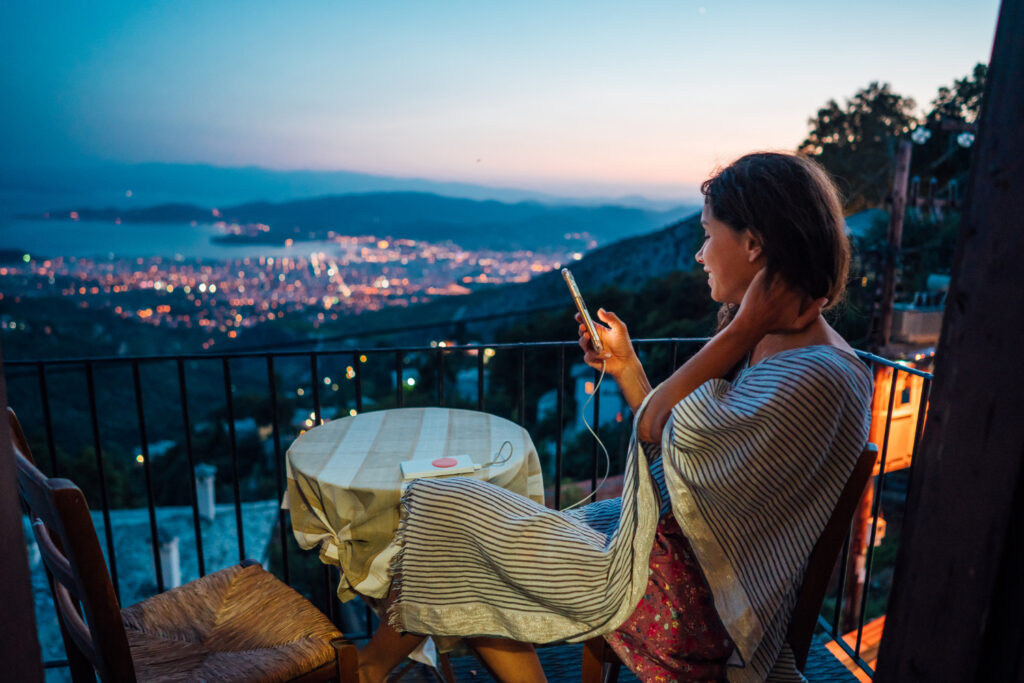
Yes, in the main areas and with basic awareness applied.
During the day both parts of Rishikesh are equally safe. At night, as long as shops are open, the Swarg Ashram side near Ram Jhula is pretty safe to walk through alone along the Ganga. Tapovan and Laxman Jhula stay active with cafes and restaurants open until around 11pm. People are around, streets are lit and the atmosphere is calm.
After 11pm the town quietens noticeably. Shops close, streets thin out and the sensible approach is to take an auto-rickshaw back rather than walking unlit paths alone. Avoid walking alone late at night especially in secluded places and be cautious of overly friendly strangers.
One thing worth knowing: the upper part of Rishikesh near Laxman Jhula is the area where some drinking happens. The lower Swarg Ashram side, where most ashrams and yoga schools are located, is the quieter and safer side after dark. If you are based in Tapovan or the ashram side, late night is rarely an issue anyway.
Safer after dark: Main roads in Tapovan, Ram Jhula and Laxman Jhula until 11pm. Well-lit restaurant and cafe areas near the ghats.
Avoid after dark: Unlit riverside paths, isolated areas away from main streets, unfamiliar residential lanes.
What to Wear in Rishikesh as a Woman
Most guides say dress modestly and leave it there. Here is what that actually means to pack.
What works well:
Loose trousers or yoga pants are practical and accepted both on the street and in class. Loose tops or kurtas are comfortable in the heat and appropriate in temples and ashrams. A light cotton scarf or dupatta is the single most useful item you can carry. It works for temple visits, early morning walks, sitting at the ghats, and adds coverage over a vest top without adding any weight to your bag. Sandals with straps or closed shoes are better than flat flip flops. The lanes around the ghats are uneven, often wet and not always clean.
What to leave at home:
Shorts or skirts above the knee draw unnecessary attention and feel out of place in a pilgrimage town. Sleeveless tops without a scarf are fine inside your accommodation but will get stares on the street. Bikinis or swimwear at the Ganga are not appropriate. The river is sacred to the people who live here and to the pilgrims who travel hundreds of kilometres to bathe in it.
Dressing with basic awareness of where you are is not about restriction. It is about fitting into the place rather than standing out in ways that attract the wrong kind of attention.
Practical Safety: The Honest List
Accommodation: stay in the right areas
Tapovan is the best area to base yourself. It is the most internationally populated part of Rishikesh, well-lit, well-patrolled and where most yoga schools and guesthouses catering to international travellers operate. Laxman Jhula and Ram Jhula are also good options. Stick to well-reviewed guesthouses on any standard booking platform. Read recent reviews specifically from solo female travellers before booking.
Transport: use trusted options
Agree the fare before getting into any auto-rickshaw. Do not get in without settling the price first. Ola works in Rishikesh and is a more straightforward option for longer journeys because the fare is fixed before you start. If your accommodation recommends a driver for airport or station transfers, use them over a random approach.
Food and drinks: standard precautions
Eat at established restaurants and cafes. Do not accept food or drinks from strangers. Busy, well-reviewed street food stalls are generally fine. Sealed bottled water only. These are standard travel precautions that apply anywhere in India, not specific to Rishikesh.
Unwanted attention: how to handle it
A firm no is enough. No explanation is needed. Walk into a shop or cafe if you need to remove yourself from a situation. The international community in these areas is large enough that other travellers nearby will often step in without being asked.
What to do if something feels wrong
Move toward a crowded area immediately. Enter a shop, restaurant or cafe. Call 112. Do not wait to confirm that something is wrong before removing yourself from it. Trust your instinct.
Emergency Numbers 112: India National Emergency 100: Police Rishikesh Police: 0135-243-0011
How to Get from Delhi to Rishikesh Alone, Safely

Step 1: Book your train in advance
The most straightforward route is Delhi to Haridwar by train. Several trains run this route daily. The Shatabdi Express (12017) departs New Delhi at 6:45am and reaches Haridwar by around 11:35am. The Jan Shatabdi (12055) departs at 3:20pm and reaches Haridwar by 7:27pm. The Vande Bharat Express (22457) is the fastest option, departing at 5:50pm and reaching Haridwar in around 3 hours 21 minutes. Book tickets in advance on IRCTC. The AC Chair Car is comfortable and straightforward. Stick to daytime travel where possible.
Step 2: Haridwar to Rishikesh
When you arrive at Haridwar station, go directly to the prepaid taxi counter inside the building. Do not accept offers from drivers who approach you on the platform or outside the exit. The prepaid counter has fixed fares displayed. The journey to Rishikesh takes around 30 to 45 minutes depending on traffic.
Step 3: Arriving in Rishikesh
Save the Google Maps pin of your accommodation before you travel, not after you land. If your school or guesthouse offers a pickup service, use it. Know exactly where you are going before the journey begins.
Share your journey
Before you board, send your full travel plan to someone at home. Train number, departure time, arrival time, accommodation name, address and contact number. Check in with them when you arrive.
What to Do Before You Arrive: Preparation Checklist
- Register with your embassy before travelling. UK travellers can register with the UK FCDO. US travellers can enrol in the US STEP programme.
- Share your full itinerary with someone at home before you leave. School or accommodation name, address, contact number and arrival date.
- Download Rishikesh offline on Google Maps before you land. Do not rely on mobile data in transit.
- Save emergency numbers in your phone before you travel: 112 (national emergency), 100 (police), Rishikesh Police: 0135-243-0100.
- Book your first night accommodation before you arrive. Never land without a confirmed destination.
- Contact your school or accommodation before travel to confirm your arrival and get a staff contact number.
- Get an Indian SIM card at Delhi airport on arrival. Airtel and Jio both have counters in the arrivals hall. Do this before you leave the airport.
The TTC Student Experience: Safety Inside a Residential Programme
There is a real difference between travelling independently and arriving into a residential teacher training.
A solo traveller manages every decision herself. Where to eat, when to go out, which route to take back after dark. A TTC student arrives into a structure from day one. A campus, a cohort, a schedule that runs from 5:30am to 9pm, and teachers who know her name before the first class is over.
The typical intake is 8 to 14 students from multiple countries. Most of them are women. Many are travelling India alone for the first time. The group comes together quickly, not because it is forced but because living and studying in an unfamiliar place with the same people every day does that naturally.
Teachers and staff are present throughout the day and reachable in the evenings. The school operates in Tapovan, the most internationally populated and consistently safe part of Rishikesh. Students from over 30 countries come through each year.
The curriculum covers far more than postures. Students study the 8 limbs of yoga as a complete system, the ethics, the breathwork, the philosophy behind the practice. Most students describe the month as one of the more significant experiences of their lives, and it rarely has much to do with how flexible they got.
Frequently Asked Questions
Is Rishikesh safe at night for solo female travellers?
The main areas, Tapovan, Ram Jhula and Laxman Jhula, are safe until around 10pm with streets lit and people around. After that, take an auto-rickshaw rather than walking alone. Avoid unlit riverside paths and unfamiliar residential streets after dark.
What areas of Rishikesh are safest for women?
Tapovan is the safest and most internationally populated area, with consistent lighting and regular police presence. Ram Jhula and Laxman Jhula are also good bases. These three areas are where most solo female travellers and yoga students stay.
Is it safe to travel from Delhi to Rishikesh alone?
Yes. Take the Shatabdi or Vande Bharat train from Delhi to Haridwar during the day, booked through IRCTC. From Haridwar station, use the prepaid taxi counter inside the building only. Avoid drivers who approach you on the platform or outside.
Do I need to speak Hindi to stay safe?
No. English is widely spoken across Tapovan, Laxman Jhula and Ram Jhula. Restaurant staff, guesthouse owners, auto-rickshaw drivers and most shopkeepers in these areas communicate easily with visitors. Hindi is useful but not necessary.
Is it safe to do yoga teacher training in Rishikesh alone?
Yes, and many women find it easier than independent travel. From day one you are part of a cohort on a structured schedule with teachers and staff around throughout the day. Most intakes are majority women. If you are still researching programmes, understanding what a 200-hour teacher training in Rishikesh actually involves before deciding is worth the time.
Is Rishikesh safe for solo female Indian travellers?
Yes. Indian women travel to Rishikesh independently throughout the year for yoga, pilgrimage and wellness. Stay in well-reviewed accommodation in Tapovan or near the ghats and avoid isolated areas after dark.
What is the best time of year to visit Rishikesh as a solo woman?
October to November and February to April are the most comfortable months. The weather is stable, the town is active and the monsoon flooding of June to September has cleared. December and January are cool but manageable with the right clothing.
What should I do if I feel unsafe?
Move to a crowded area immediately. Enter a shop or cafe. Call 112. Trust your instinct before you have confirmed evidence. You do not need to be certain that something is wrong before removing yourself from it.
The Bottom Line
Rishikesh will not feel completely familiar on day one. The noise, the pace, the new surroundings, it takes a few days to settle in. That is normal for any new place.
By the second week, most women describe it as one of the most welcoming places they have travelled to. The safety here is genuinely better than most comparable destinations in India. The precautions are not complicated. They are the same basic awareness any traveller applies in a new place.
Follow the steps in this guide. Do not let fear make the decision for you.
If you are thinking about coming to Rishikesh for a structured programme, how to choose the right yoga school is the first decision worth getting right.