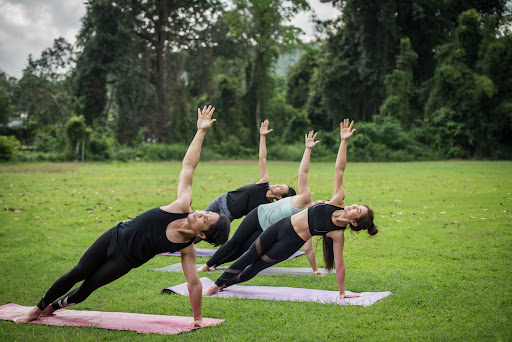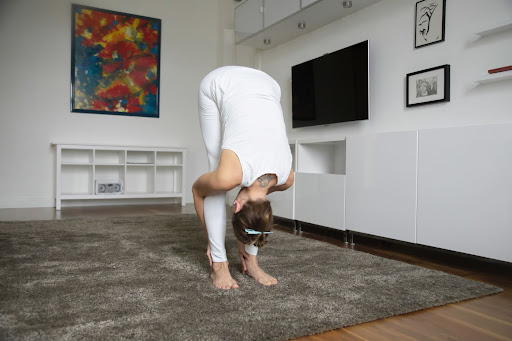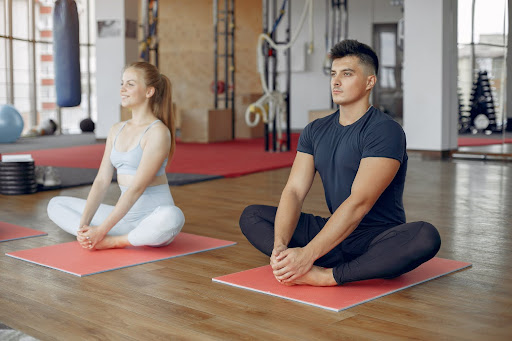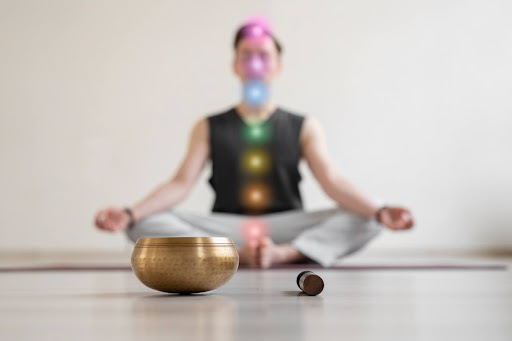
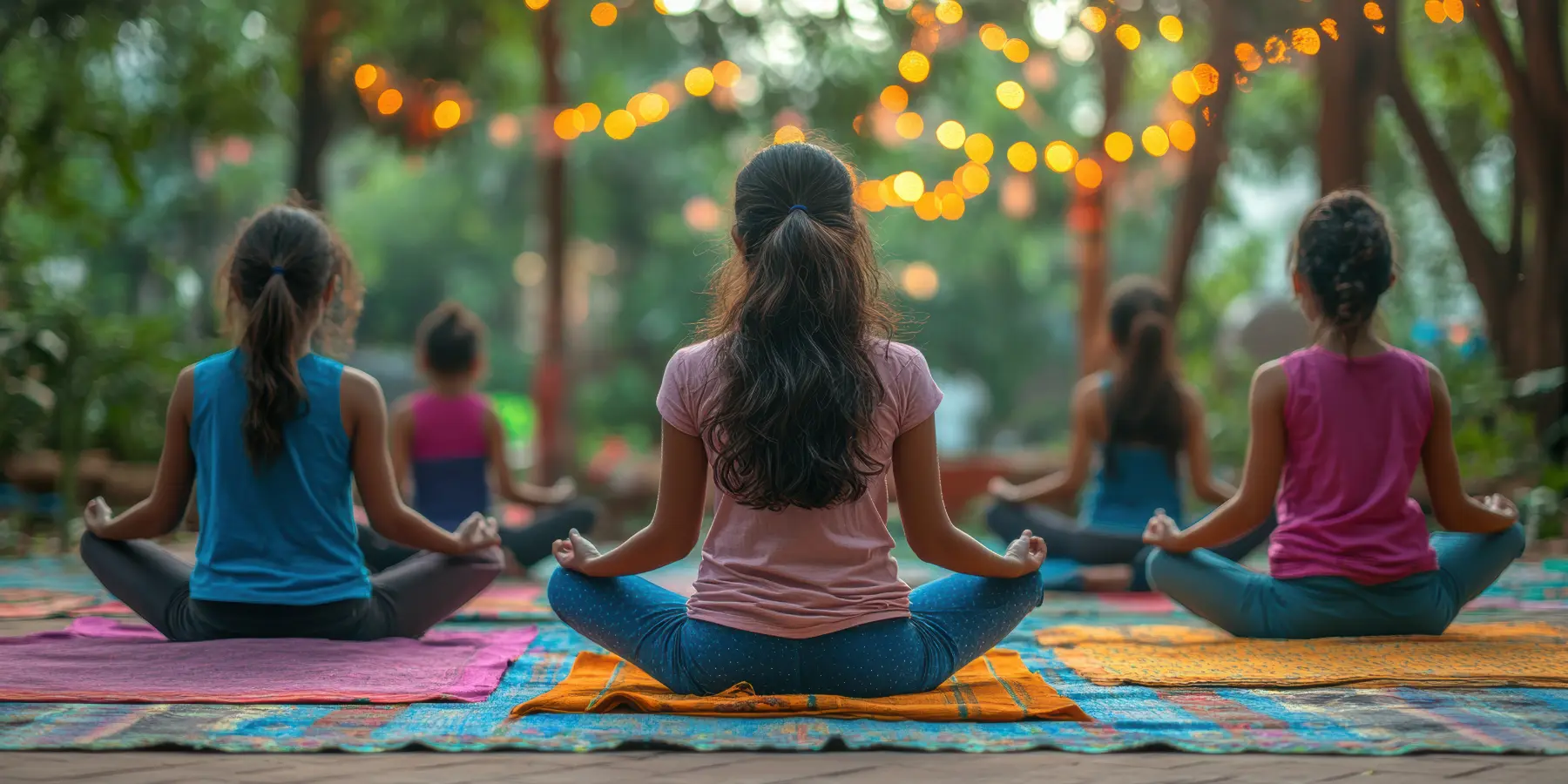

Starting yoga for the first time can feel both exciting and intimidating. You might be wondering: Will I be flexible enough? What should I wear? Will I be able to keep up? The good news is,yoga is for everyone, regardless of age, fitness level, or experience. Your first yoga class is not about perfection; it’s about showing up, breathing, and getting comfortable with your body and mind.
This beginner’s guide will walk you through exactly what to expect in your first yoga class, so you can step onto the mat feeling confident, prepared, and relaxed.
What Is Yoga, Really?
Yoga is an ancient practice that combines physical postures (asanas), breathing techniques (pranayama), and mindfulness or meditation. While many people start yoga for flexibility or fitness, its deeper purpose is to create balance,physically, mentally, and emotionally.
As a beginner, you don’t need to understand yoga philosophy or advanced poses. Your first class will focus on simple movements, basic breathing, and learning how to listen to your body.
What to Wear to Your First Yoga Class
Comfort is key. You don’t need fancy or expensive yoga clothing.
Choose clothes that:
- Allow free movement
- Are breathable and stretchable
- Stay in place when you bend or stretch
Leggings, track pants, or shorts paired with a fitted t-shirt or tank top work well. Yoga is usually practiced barefoot, so no special footwear is required.
What to Bring With You
Most yoga studios are beginner-friendly and provide essentials, but it’s always good to check in advance.
Typically, you should bring:
- A yoga mat (some studios offer rentals)
- A water bottle
- A small towel
- An open mind 😊
Avoid eating a heavy meal at least 2–3 hours before class. If needed, a light snack like fruit is fine.
Arriving at the Studio: First Impressions
Try to arrive 10–15 minutes early. This gives you time to:
- Settle in
- Meet the instructor
- Inform them that you’re a beginner
Instructors appreciate knowing this, as they may offer extra guidance or modifications during class.
You’ll notice the studio environment is calm and welcoming,often with soft lighting, soothing music, or incense to help you relax.
How a Typical Beginner Yoga Class Is Structured
While styles vary, most beginner yoga classes follow a similar structure:
1. Centering and Breathing
The class usually begins with seated or lying-down breathing exercises. This helps you:
- Calm your mind
- Become aware of your breath
- Transition from daily stress into the practice
Don’t worry if you feel restless at first,this is completely normal.
2. Gentle Warm-Up
You’ll move through slow, simple stretches to warm up the spine, neck, shoulders, and hips. These movements prepare your body for the postures ahead and reduce the risk of injury.
3. Basic Yoga Poses
The main part of the class includes beginner-friendly poses such as:
- Mountain Pose
- Child’s Pose
- Downward-Facing Dog
- Warrior poses
- Seated stretches
The instructor will demonstrate poses and guide you with verbal cues. Remember, it’s okay if your pose looks different from others,yoga is not about comparison.
4. Rest and Relaxation
Short resting moments may be included between poses. At the end of class, you’ll lie down in Savasana (final relaxation). This is a deeply relaxing pose where your body absorbs the benefits of the practice.
Many beginners are surprised by how refreshing this final relaxation feels.
Will You Be Flexible Enough?
This is one of the most common concerns,and the answer is yes.
You do not need to be flexible to start yoga. Flexibility comes with practice. Yoga meets you where you are today, not where you think you should be.
Use props like blocks, straps, or bolsters if offered. These tools are not a sign of weakness; they are there to support your body safely.
Breathing in Yoga: What Beginners Should Know
Breathing is a core part of yoga. You’ll be encouraged to:
- Breathe slowly and deeply
- Inhale through the nose
- Sync breath with movement
If you ever feel breathless, dizzy, or overwhelmed, pause and breathe normally. There is no pressure to “get it right” on day one.
Common Mistakes Beginners Make (and How to Avoid Them)
Here are a few things to keep in mind:
- Don’t push through pain – mild discomfort is okay, pain is not
- Avoid comparing yourself to others
- Take breaks when needed
- Ask questions after class
Yoga is a personal journey, and progress looks different for everyone.
How You Might Feel After Your First Class
Physically, you may feel:
- Relaxed yet energized
- Slightly sore (especially if you’re new to movement)
Mentally, many beginners report feeling:
- Calmer
- Clear-headed
- More connected to themselves
These feelings often improve with regular practice.
How Often Should Beginners Practice Yoga?
For beginners, 2–3 classes per week is a great place to start. Consistency matters more than intensity. Even short, regular sessions can lead to noticeable improvements in:
- Flexibility
- Strength
- Posture
- Stress levels
Final Thoughts: Go Easy and Enjoy the Journey
Your first yoga class is not a test,it’s an introduction. You don’t need to be perfect, flexible, or experienced. All you need is willingness and patience with yourself.
Over time, yoga becomes more than just exercise. It becomes a space to slow down, breathe deeply, and reconnect with your body and mind.
So roll out your mat, take a deep breath, and trust that you’re exactly where you need to be. 🌿