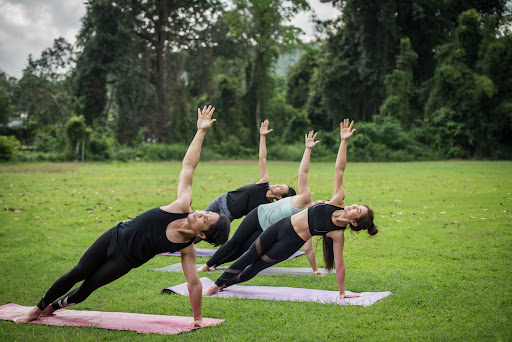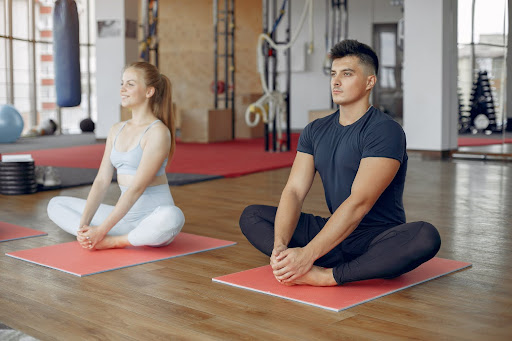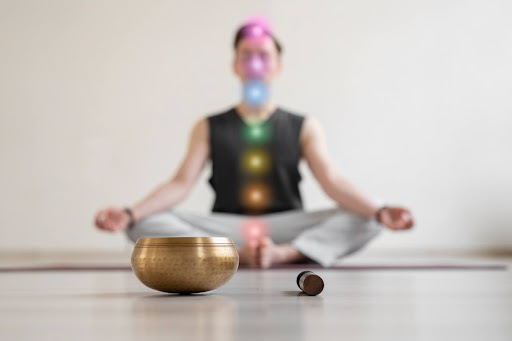
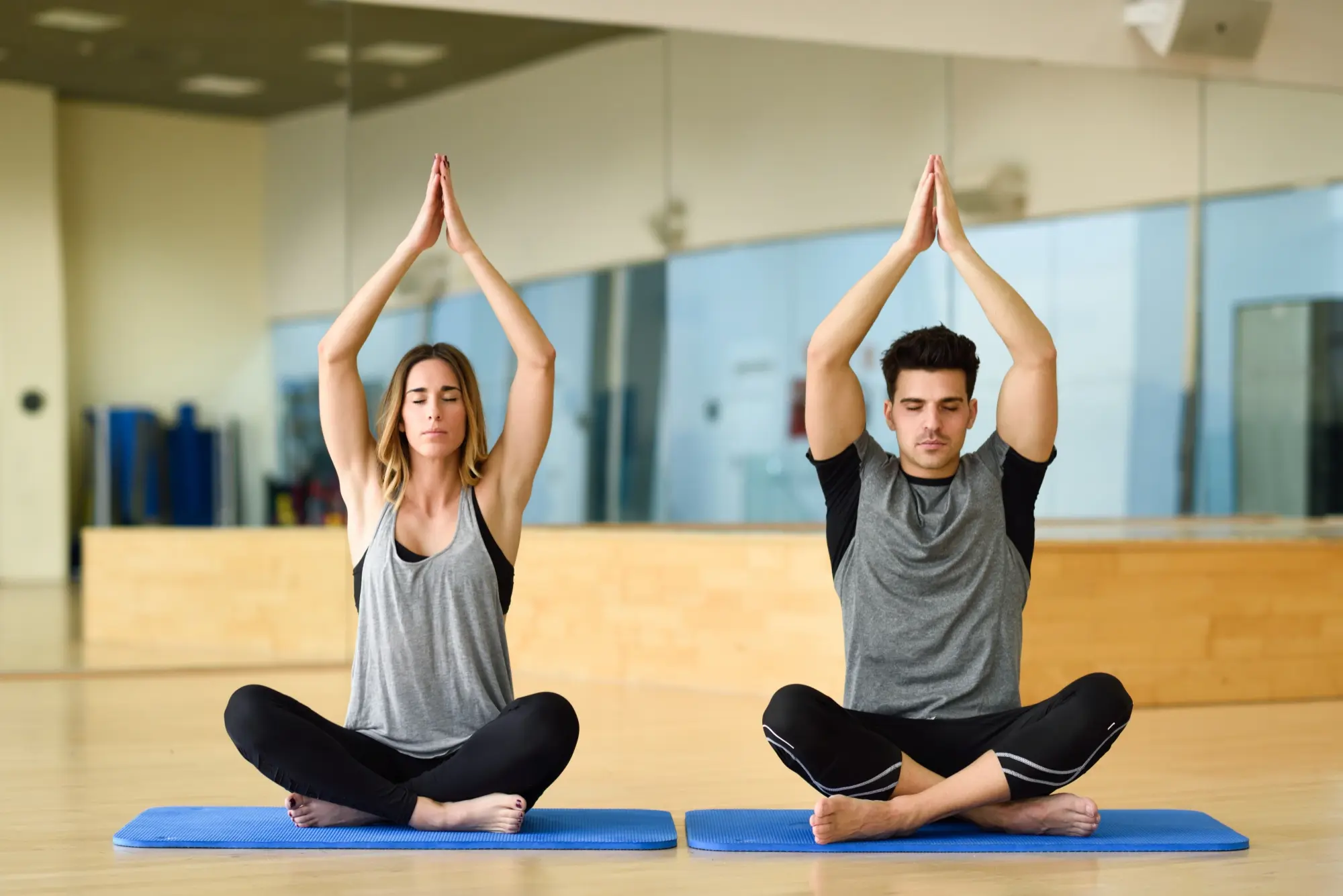

Yoga is an ancient practice rooted in spirituality and self-realization, originating in India thousands of years ago. Over time, its widespread popularity has led to modern adaptations known as fitness yoga, which focus more on physical health and exercise than on deeper spiritual and philosophical aspects. Understanding the distinction between authentic yoga and modern fitness yoga is essential for anyone seeking a meaningful practice and a deeper connection with yoga’s true essence.
Defining Authentic Yoga
Authentic yoga is a holistic discipline aimed not only at physical well-being but also at spiritual enlightenment and mental clarity. It emphasizes mind, body, and soul connection through disciplined practice involving meditation, breath control, ethical living, and devotion to a guru or teacher. Traditionally, yoga is a lifelong path, guiding practitioners toward self-awareness and harmony with the universe.
Key Differences Between Authentic and Modern Yoga
| Aspect | Authentic Yoga | Modern Fitness Yoga |
| Primary Focus | Spiritual enlightenment and self-realization | Physical fitness and mental well-being |
| Practice Style | Slow, deliberate postures with meditation and breath work | Dynamic, fast-paced sequences emphasizing exercise |
| Teacher-Student Relationship | Guru-disciple bond, long-term guidance | Instructor-led classes focused on technique |
| Spiritual Elements | Integral, includes chanting, rituals, and philosophy | Minimal to none, mostly physical |
| Purpose | Holistic development: mind, body, soul | Fitness, flexibility, stress relief |
| Commitment | Requires dedication and lifestyle integration | Often practiced as an occasional exercise |
| Use of Equipment | Minimal or none | May include mats, props, weights |
| Approach to Mindfulness | Deep, continuous mindfulness and self-inquiry | Often limited to breath awareness during poses |
Impact of Modern Fitness Yoga on Yoga Tradition
Modern fitness yoga has played a significant role in popularizing yoga globally, particularly in the context of health and physical wellness. This accessibility has introduced yoga to millions who might never have encountered it otherwise, helping cultivate a broad interest in physical fitness and stress reduction. However, this widespread appeal sometimes comes with costs. Modern fitness yoga often focuses so heavily on physical postures and aesthetics that the profound spiritual, philosophical, and meditative components of traditional yoga are overlooked. Without these elements, many practitioners may enjoy physical improvements like flexibility and strength but miss out on yoga’s potential to foster deep mental clarity, emotional balance, and spiritual growth. Furthermore, the commercialization of yoga as a fitness trend risks diluting its rich cultural heritage and long-standing ethical teachings, reducing it to a form of exercise rather than a comprehensive lifestyle practice. This could lead to a superficial understanding, where the practice remains skin-deep and detached from its roots in ancient wisdom.
Restoring Traditional Yoga: Why It Matters
Preserving and restoring authentic yoga traditions is essential to safeguarding yoga’s full spectrum of benefits for modern practitioners. Traditional yoga offers more than physical health—it provides a structured path for self-knowledge, emotional resilience, and inner peace. Its teachings on meditation, breath control (pranayama), ethical living (yamas and niyamas), and dedicated spiritual inquiry enrich life far beyond the yoga mat. Practical restoration means encouraging a balanced approach where physical postures serve as a foundation for meditative and mindful practices, not as an end in themselves. This restoration also calls for reconnecting with qualified teachers rooted in lineage-based traditions who can guide practitioners through the deeper aspects of yoga philosophy and spirituality. Such guided practice enhances self-awareness, stress management, and mental well-being in tangible ways that modern fitness yoga often sidelines. In today’s fast-paced world marked by stress and distraction, these elements are vital for holistic health—making the restoration of authentic yoga not just a cultural imperative but a practical necessity for well-being.
Practical Tips for Practitioners to Honor Authentic Yoga
- Seek lineage-based or experienced teachers connected to traditional practices to ensure a deep understanding of yoga philosophy and authentic techniques.
- Begin each practice session with a few minutes of stillness or meditation to connect with your inner self before moving into physical postures.
- Incorporate regular pranayama (breath control) exercises such as Nadi Shodhana or Ujjayi breath to enhance energy flow and mindfulness.
- Commit to a consistent yoga schedule, even if it is just 10–15 minutes daily, as regularity builds a deeper connection with the practice.
- Embrace ethical principles such as ahimsa (non-violence) and satya (truthfulness) in daily life, reflecting yoga’s teachings beyond the mat.
- Balance physical asana practice with study of yogic texts or philosophy, such as the Yoga Sutras of Patanjali, to deepen intellectual and spiritual understanding.
- Use the physical postures as a way to prepare the body and mind for meditation and self-inquiry, rather than focusing solely on fitness goals.
- Create a quiet, sacred space for practice that minimizes distractions and increases mindfulness, helping to restore the spiritual atmosphere of traditional yoga.
- Practice self-compassion, honor your body’s limitations, and avoid pushing into pain; yoga is about inner harmony, not competition or physical achievement.
- Integrate moments of mindfulness and gentle reflection after your yoga session to absorb its benefits and foster awareness throughout your day.
- Avoid rushing through poses; instead, hold them with focus and awareness to cultivate patience and present-moment consciousness.
- Explore complementary practices like chanting, mantra repetition, or journaling to connect more deeply with yoga’s spiritual roots.
- Approach yoga as a lifelong journey rather than a quick fix, allowing yourself to evolve physically, mentally, and spiritually over time.
Choosing Between Traditional Yoga and Modern Yoga
| Aspect | Traditional Yoga | Modern Yoga |
| Primary Focus | Spiritual growth, self-realization, holistic mind-body-soul integration | Physical fitness, flexibility, strength, stress relief |
| Practice Content | Includes meditation, pranayama (breathwork), ethical living, philosophy, and asanas | Primarily focuses on asanas (postures), often with some breathwork and relaxation |
| Level of Commitment | Requires deep commitment to study, self-discipline, and spiritual practices beyond physical postures | Flexible commitment; can be as little as a quick workout or a long session as desired |
| Learning Environment | Small, intimate groups or one-on-one with experienced teachers offering personalized guidance & lineage | Larger group classes, online sessions, and workshops; accessible anywhere and anytime |
| Teacher Relationship | Long-term mentorship, guru-disciple bond emphasizing tradition and lineage | Variable; more transactional, often focused on fitness coaching rather than spiritual mentorship |
| Philosophy & Ethics | Core part of practice, including yamas and niyamas (ethical guidelines) | Often minimal or absent in many fitness-oriented classes |
| Goal Orientation | Transformation at multiple levels: physical, mental, emotional, and spiritual | Physical wellness and mental relaxation; less focused on inner transformation |
| Suitability | Ideal for those seeking deep spiritual growth and holistic living | Ideal for those with busy lifestyles seeking physical health and stress reduction |
| Adaptability | Less adaptable to busy schedules due to comprehensive practices | Highly adaptable with various styles and short sessions available online or in gyms |
| Community & Culture | Rooted in ancient traditions and cultural contexts; often tied to Indian heritage | Globalized, multicultural with fusion influences and fitness trends |
The Role of Yog School India in Your Yoga Journey
Whether you seek authentic traditional yoga, modern fitness yoga, or a harmonious blend of both, Yog School India stands as a premier destination to support your journey. Yog School India skillfully integrates ancient yogic wisdom with contemporary wellness trends, offering a balanced approach that honors yoga’s deep roots while addressing modern practitioners’ diverse needs.
Yog School India provides a wide variety of yoga styles and courses designed for all levels, from spiritually immersive traditional yoga to dynamic, fitness-focused practices. The school is known for its highly qualified instructors who bring decades of experience in authentic yoga teaching, ensuring personalized guidance and a nurturing community environment. This supportive space helps both beginners and seasoned yogis deepen their practice and understanding, encouraging growth on physical, mental, and spiritual levels.
Frequently Asked Questions (FAQs)
- What is the main difference between traditional yoga and modern fitness yoga?
Traditional yoga focuses on spiritual growth and holistic well-being, while modern fitness yoga emphasizes physical exercise and fitness benefits. - Can modern yoga provide the same spiritual benefits as authentic yoga?
Modern yoga may offer some mindfulness benefits, but it lacks the deep spiritual teachings and practices integral to authentic yoga. - Is it necessary to practice meditation and breathwork in traditional yoga?
Yes, meditation and pranayama are essential components that support mental clarity and spiritual progress in traditional yoga. - How can beginners decide between traditional and modern yoga?
Consider your goals, seek traditional yoga for deep spiritual growth and holistic living; choose modern yoga for fitness and stress relief. - Are online yoga classes suitable for learning traditional yoga?
Online classes can be helpful, but authentic traditional yoga often requires direct mentorship and personalized guidance. - Does modern yoga include ethical teachings like ahimsa and satya?
Most modern fitness yoga classes do not emphasize yoga’s ethical principles, which are central to traditional yoga. - How important is teacher lineage in authentic yoga practice?
Teacher lineage is crucial for preserving the authenticity and depth of traditional yogic knowledge and guidance. - Can you combine traditional yoga philosophy with modern fitness yoga practices?
Yes, many practitioners blend spiritual aspects with physical fitness approaches to create a balanced yoga practice. - What is the role of asanas in traditional yoga compared to modern yoga?
In traditional yoga, asanas prepare the body for meditation; in modern yoga, asanas are often the main focus for fitness. - How does Yog School India support learning both authentic and modern yoga?
Yog School India offers diverse styles and expert instructors integrating traditional wisdom with modern techniques to cater to various practitioner needs.