

In a world where stress, anxiety, and constant noise have become a part of our daily routine, many people are looking for natural ways to relax, reset, and reconnect with themselves. One ancient practice that has gained immense popularity in modern wellness is sound healing. From singing bowls to gongs, from soothing frequencies to guided sound baths, sound healing is now used in retreats, yoga studios, and even at home for deep relaxation and emotional release.
Whether you’re curious about what sound healing truly means or you want to understand how it works, this guide will give you a simple yet complete explanation.
What Is Sound Healing?
Sound healing is a therapeutic practice that uses vibration, frequency and resonance to bring the mind and body into a state of balance. It is based on a simple idea:
everything in the universe,including our bodies,is made of vibration.
When these vibrations fall out of harmony due to stress, trauma or imbalance, it can affect our physical, emotional and mental well-being. Sound healing uses specific sounds to restore this natural harmony.
Some commonly used sound-healing tools include:
- Tibetan or Himalayan singing bowls
- Crystal bowls
- Gongs
- Tuning forks
- Drums
- Chants, mantras and the human voice
- Chimes
- Native flute or other meditative instruments
The soothing vibrations produced by these instruments gently guide the mind into deep relaxation and the body into a natural healing state.
How Does Sound Healing Work?
Sound healing works through three primary mechanisms:
1. Vibrational Resonance
Your body is 70% water,one of the best conductors of sound.
When sound waves travel through the body, they create micro-vibrations that:
- relax muscles
- improve circulation
- slow down the heart rate
- calm the nervous system
These vibrations help release physical tension, which is why many people feel “lighter” or “open” after a session.
2. Brainwave Entrainment
Our brain shifts between different brainwave states (beta, alpha, theta, delta).
Sound healing uses rhythmic tones to guide the brain into slower, calmer states.
For example:
- Alpha waves → relaxed yet present
- Theta waves → meditation, creativity, deep healing
- Delta waves → deep sleep, restoration
This is why a sound bath can feel like meditation,even if you’ve never meditated before.
3. Nervous System Reset
Sound healing activates the parasympathetic nervous system, also known as the rest and digest mode.
This lowers stress hormones, reduces anxiety and brings the body into a restorative state.
Within minutes, your mind shifts from overwhelm to clarity, and your body shifts from tension to ease.
Benefits of Sound Healing
The benefits of sound healing go beyond just relaxation. Many people experience physical, mental, emotional and spiritual shifts during or after a session.
1. Reduces Stress & Anxiety
One of the most immediate benefits is a deep reduction in stress.
The soothing tones slow down the brain waves, helping the mind move away from overthinking and constant mental chatter. Just 20–30 minutes of sound healing can feel like hours of rest.
2. Improves Sleep
People with insomnia or disturbed sleep often find sound healing extremely helpful. The vibrations relax the nervous system, making it easier to fall into deeper, restorative sleep.
3. Enhances Emotional Release
We carry emotional tension in our body,tight shoulders, a heavy chest, a knotted stomach.
Sound helps release stuck emotions by creating space for clarity and calmness. Many people feel:
- lighter
- more grounded
- emotionally balanced
after a session.
4. Supports Meditation & Mindfulness
If you struggle with meditation, sound healing can be an excellent gateway.
The sounds hold your attention, making it easier to stay present without forcing yourself to focus.
5. Eases Physical Tension
Vibration improves blood flow and promotes muscle relaxation.
People often report relief from:
- headaches
- joint pain
- muscle tension
- fatigue
Sound healing is not a replacement for medical treatment, but it can complement physical healing.
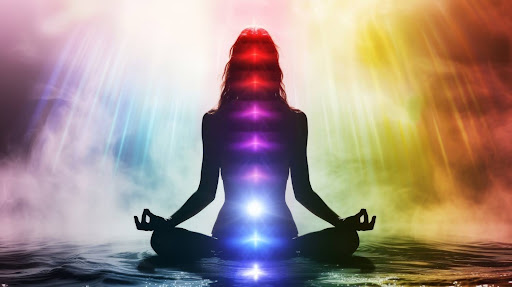
6. Balances Energy & Chakras
In yogic traditions, sound is considered one of the most powerful tools for energy alignment.
Each chakra is associated with a specific frequency, and sound healing helps bring these energies back into harmony.
7. Deep Relaxation & Inner Stillness
A sound bath often induces a meditative state without effort. You simply lie down, close your eyes and allow the sound to wash over you. Within minutes, your breath deepens, your thoughts slow down, and your body sinks into a state of profound calm.
Is Sound Healing Scientifically Supported?
While sound healing is rooted in ancient traditions, modern research is catching up.
Studies show that sound and vibration:
- lower cortisol (stress hormone)
- improve sleep quality
- reduce symptoms of anxiety
- enhance mental clarity
- help with pain management
Even hospitals now use music therapy and frequency-based treatments, because sound has a measurable effect on the brain and body.
What to Expect During a Sound Healing Session
A typical sound-healing or sound-bath session lasts anywhere from 45 to 90 minutes.
Here’s what usually happens:
- You lie down comfortably on a yoga mat with cushions and blankets.
- The practitioner plays soothing instruments like bowls, gongs, or chimes.
- You simply relax and listen while vibrations move through your body.
- You may feel:
- deep calm
- tingling sensations
- emotional release
- warmth or openness in the heart or chest
- Many people fall into a light sleep or a dream-like meditative state.
The session ends with gentle grounding practices so you feel refreshed and centered.
Who Can Benefit from Sound Healing?
Almost anyone can benefit, especially if they struggle with:
- stress or burnout
- anxiety
- sleep issues
- emotional overwhelm
- lack of focus
- physical tension
- meditation difficulties
It’s gentle, non-invasive and suitable for beginners, elders and even those who have never tried meditation before.
How Often Should You Try Sound Healing?
There is no strict rule.
You can experience benefits even from one session, but regular sessions, weekly or bi-weekly,can bring deeper long-term shifts.
Some people also practice short sound-healing rituals at home using singing bowls or guided sound-bath recordings.
Final Thoughts
Sound healing is much more than a relaxing experience; it is a powerful tool for emotional balance, mental clarity, and physical well-being. In a world full of noise, notifications, and constant pressure, the simple act of lying down and letting healing vibrations wash over you can feel transformative.
Whether you’re exploring sound healing for stress relief, deeper meditation, or inner peace, this ancient practice offers a gentle yet profound way to reconnect with yourself. And if you feel inspired to go deeper and truly understand this art, joining a sound healing course in Rishikesh can be a beautiful next step, especially if you’re drawn to learning in the spiritual heart of India.
If you’re curious, try attending a sound healing session or retreat. Even a single experience can open the door to a calmer, more centered version of you, and learning through a dedicated course can take your practice to an even more meaningful level.