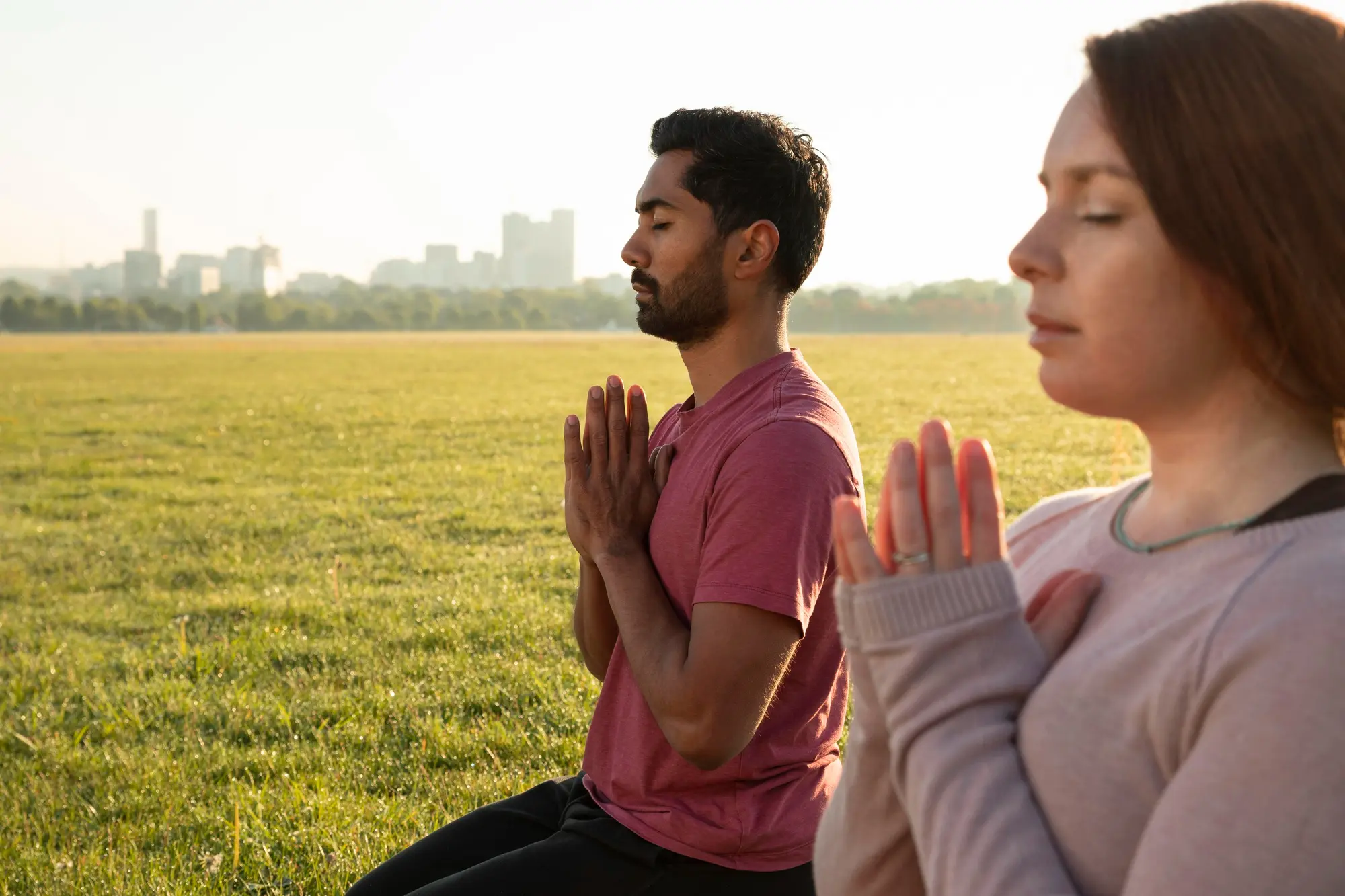

In the whirlwind of modern life, stress can feel like an invisible companion—following us from morning tasks to evening routines. Across ages and lifestyles, the pressure of daily demands often weighs heavily on our minds and emotions. Yoga, an ancient practice rooted in harmony and balance, offers a sanctuary through two powerful tools: breathwork and meditation. Together, they create a calming reset for the nervous system, nurturing emotional steadiness and deep mental resilience. This article explores how these timeless practices ease stress, highlighting accessible techniques and the science behind their benefits.
What Is Breathwork? Understanding the Basics
Breathwork—or pranayama, as it is known in yoga—invites us to become mindful architects of our own energy. It’s the practice of consciously shaping our breathing patterns to influence the flow of vitality in the body and the subtle rhythms of the nervous system.
When practiced intentionally, breathwork activates the parasympathetic nervous system—the body’s soothing “rest and digest” mode. This shift slows the heart rate, reduces blood pressure, eases muscular tension, and gently guides the mind into a state of calm.
On a physiological level, pranayama expands lung capacity through slow, full breaths that increase oxygen supply to the bloodstream and vital organs. This enhances brain performance, supports immunity, releases muscular tension, and cultivates mental clarity.
Different pranayama techniques can energize, cool, calm, or balance the internal systems—allowing practitioners to tailor their breath to meet their emotional and mental needs.
What Is Meditation? How It Supports Mental Well-being
Meditation is a grounding practice that brings your attention into the present moment, creating space for mental clarity and emotional ease. It heightens your ability to observe thoughts gently rather than be swept up by them.
At its essence, meditation builds mindfulness—the skill of remaining fully aware without judgment. Over time, this strengthens emotional resilience and helps the mind return to stillness even in moments of overwhelm.
Neuroscientific research reveals that meditation positively shapes brain regions responsible for emotional regulation, including the prefrontal cortex, while diminishing activity in regions associated with fear and anxiety.
Popular meditation styles include:
- Mindfulness meditation, which nurtures a calm awareness of thoughts and sensations.
- Guided meditation, using imagery or verbal cues to deepen relaxation.
- Breath-focused meditation, combining the steadiness of breath with mental stillness.
The Science Behind Breathwork and Meditation for Stress Relief
Modern science continues to affirm what yogic wisdom has taught for centuries: controlled breathing and mindful awareness have profound effects on stress physiology.
Cortisol, the body’s main stress hormone, rises with chronic tension. A 2023 meta-analysis in Scientific Reports by Jerath et al. demonstrated that both pranayama and meditation significantly lower cortisol levels over time.
Neuroimaging studies—including a 2016 Nature Reviews Neuroscience paper by Tang, Hölzel, and Posner—show that meditation enhances thickness and function in the prefrontal cortex, the brain’s emotional regulation center.
Heart rate variability (HRV), an essential indicator of nervous system balance, improves with breathwork. Research in Frontiers in Human Neuroscience (Lehrer et al., 2021) confirms that breathwork strengthens parasympathetic activity while reducing stress reactivity.
Together, these practices rebalance the nervous system, decrease inflammation, calm stress hormones, and create long-lasting pathways for emotional stability.
Powerful Breathwork Techniques to Try
| Technique | Description | How to Practice | Duration | Benefits |
|---|---|---|---|---|
| Nadi Shodhana | Alternate nostril breathing for energy and mind balance | Close right nostril, inhale left. Close left, exhale right. Then inhale right, exhale left. | 5–10 minutes | Reduces anxiety, balances energy, calms the mind |
| Ujjayi Breath | Slow, deep breathing with a soft throat constriction | Inhale/exhale through the nose while slightly tightening the throat, creating an ocean-like sound. | 5–15 minutes | Enhances focus, soothes nerves, deepens relaxation |
| Sheetkari Pranayama | Cooling breath that creates a gentle hissing sound | Inhale through teeth with mouth slightly open; exhale through the nose. | 3–7 minutes | Cools mental tension, calms the nervous system |
| Box Breathing | Equal counts for inhaling, holding, and exhaling | Inhale 4 sec → hold 4 sec → exhale 4 sec → hold 4 sec; repeat. | 4–6 minutes | Improves concentration, emotional stability, and stress control |
Practical Tips for Managing Stress Daily Using Yoga
- Use breathwork before stressful situations to center yourself.
- Take mini meditation breaks during work or study sessions.
- Add chest-opening postures to relieve physical tension.
- Pair movement with breath for deeper relaxation.
- Track your progress to stay inspired.
- Create a daily ritual for breathwork and meditation practice.
- Try mindful walking to ground your awareness.
- Follow meditation with gratitude journaling.
- Create a peaceful setting using light, aroma, and calming sounds.
- Limit screen time before and after your sessions.
- Join group classes for connection and encouragement.
Benefits of Yoga, Breathwork, and Meditation for Mental Health
| Benefit | Explanation |
|---|---|
| Reduces cortisol levels | Lowers the body’s primary stress hormone, decreasing inflammation, fatigue, and chronic tension. |
| Enhances emotional balance | Strengthens emotional regulation and eases symptoms of anxiety and depression. |
| Boosts cognitive function | Improves focus, memory, and decision-making through increased neural connectivity. |
| Improves sleep quality | Calms the nervous system to support deeper, more restorative sleep cycles. |
| Builds resilience | Trains the mind to adapt more gracefully to future stressors by reinforcing healthy neural pathways. |
Frequently Asked Questions (FAQs)
- What is breathwork in yoga?
Breathwork, or pranayama, is the conscious control of breath to regulate energy, calm the nervous system, and enhance mental clarity. - How does meditation help reduce anxiety?
Meditation interrupts negative thought cycles by cultivating calm awareness of the present moment. - Can yoga improve mental health naturally?
Yes—yoga balances hormones, enhances emotional stability, and boosts cognitive function. - What breathwork techniques are good for beginners?
Nadi Shodhana and box breathing are simple, gentle, and highly effective for beginners. - How long should I meditate daily for stress relief?
Just 5–10 minutes a day can significantly reduce stress over time. - Does breathwork improve sleep?
Yes, by activating the parasympathetic system and reducing nighttime tension. - What is HRV, and why does it matter?
HRV measures the spacing between heartbeats; higher HRV means better stress adaptation. - Can meditation rewire the brain?
Studies show it enhances the prefrontal cortex and reduces activity linked to stress. - How can yoga help during a stressful workday?
Quick breathing exercises and short meditations restore calm and focus. - Are there risks to practicing breathwork or meditation?
They are generally safe; beginners should start slowly and seek guidance if discomfort arises.