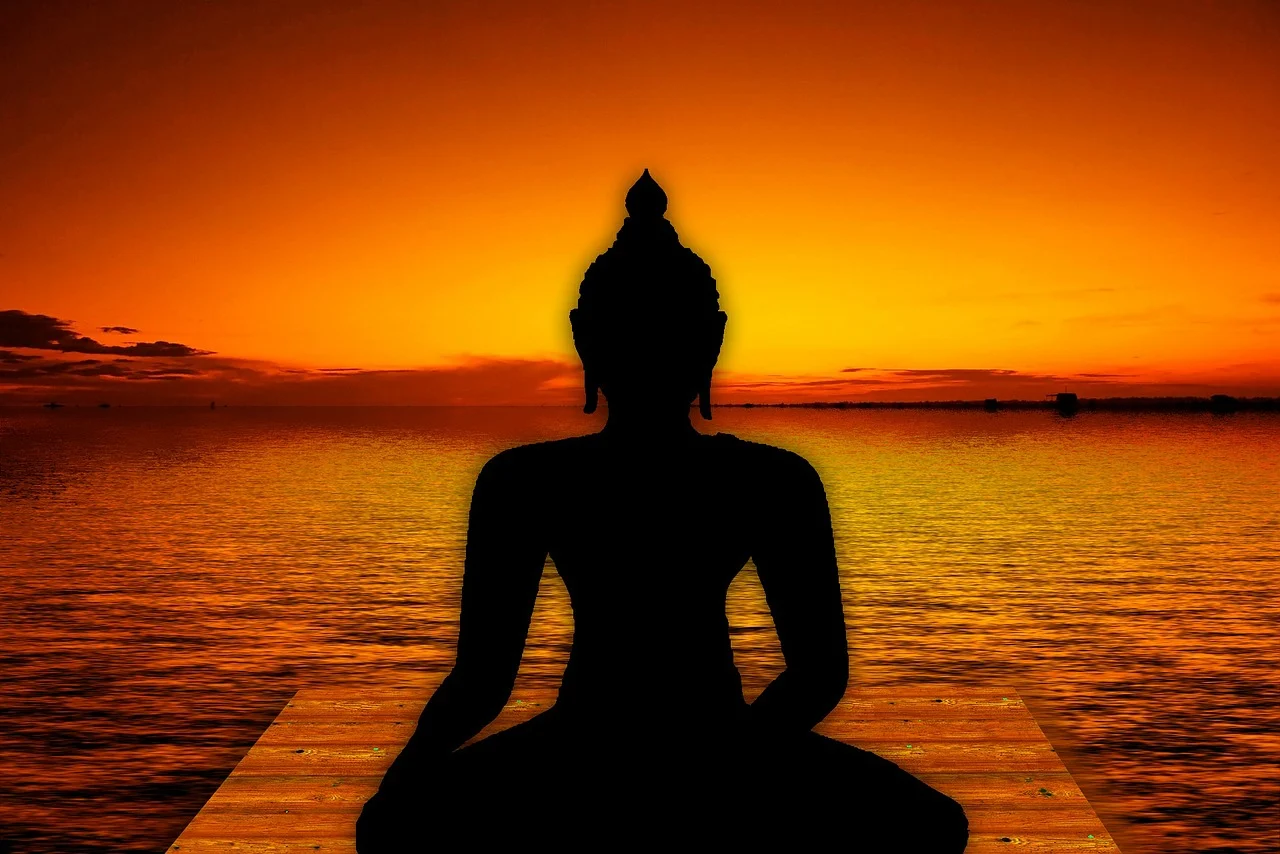

It’s quite natural to feel overwhelmed, burned out and restless when we are constantly in a hustle-bustle life. From time to time, we need to slow down to recover and rejuvenate. What other better way than yoga and meditation as it’s the most scientific, spiritual and holistic way to heal and renew yourself?
Derived from the Sanskrit word ‘Yuj’- Yoga is related to the word ‘Yoke’ in English. Metamorphically, it means to link to the divine or super consciousness. It has proved to be an eternal science that exists beyond time while numerous dynasties and civilisations rise and fall.
History: Yoga is supposed to have originated before the Vedic period, however, the first evidence dates back to 1000 BCE. Unlike today, during the Vedic period (a time between the late Bronze Age & early Iron Age in ancient India) – when spiritual knowledge was at its peak, there was no concept of ‘one for all’ Yoga, because it is the path of spiritual enlightenment. A time when great sages like Patanjali lived and contributed immensely as an expounder to this science. Classical Yoga scriptures are based on Samkhya, but they are influenced by Buddhism as well.
Values, ethics, philosophy, and rich conscience had greater gravity on human civilisation, when Yoga was once considered the ‘Philosophy of the conduct of life’. As per Hindu beliefs, one should have an abundance of virtues from previous life to pursue authentic Ashtanga Yoga. During the Vedic period, Ashtanga Yoga was the preliminary course. However, as time passes by, we go through significant changes of colonisation and dilution of traditions, hence traditional teachings and academics too need fine-tuning. In this Iron Age (Kaliyuga), Adharma (unrighteousness) is stronger than ever, hence pre-ashtanga yoga is more relevant and sets the foundation.
Anatomy: Yoga is not mere postures or physio-therapy exercises or refined calisthenics, rather, it’s a launch pad to deep dive into your true self and it is incomplete without meditation & pranayama. Thus, its impact is holistic for the mind-body-spirit wellness and soul-level progression. As much as Yoga benefits in activating the parasympathetic nervous system, strengthening muscles, and joint mobility and improving postures, it works at the subtle anatomy of the human body. It activates chakras and regulates the energy flow throughout these energy centres and various nerves (which are also called meridians). There are 5 components in subtle anatomy – 3 subtle bodies, 5 sheaths, energy channels (Nerves), energy centres and life force. They are the connecting link between the physical body and higher consciousness.
While exercise is essential to increase metabolism, some Yogasnas are performed to slow down metabolic rates, focusing more on internal organs, energy centres, and glands for overall well-being. However certain pranayama and asanas can stimulate metabolism as well as conserve energy depending on the techniques used.
Benefits: Research and scientific studies have proven that the benefits of holistic Yoga are not limited to stress regulation and management, but also to blood sugar regulation, respiratory efficacy, improved lung and endocrine function, and enhanced mental clarity and focus. They help to promote mindfulness, relaxation, enhance concentration, and meditation.
Of the 8,400,000 asanas, only the 84 which are most useful are explored in detail and generally classified into beginners, intermediate and advanced levels. Asana practices complementary to exercises can release dormant energy in your body.
Beginner level has fundamental techniques intended to equip the mind and body for meditation and asanas. With consistent practice, a practitioner will experience a profound and nuanced balancing effect. Some of the asanas taught at the beginner level are:
- Pawanmuktasana series,
- Surya namaskar,
- Vajrasanas,
- Meditation poses,
- eye relaxation exercises
Philosophy: Creation is impossible without duality, and yoga is to transcend from this duality to oneness. Yoga requires a mindset that is built on values, ethics, discipline, and morale, which is essential to set you onto the launch pad of Yoga. By witnessing oneself, and being aware of oneself, delimitations and delusions fade. As your mind clears from distractions, as you learn to master your senses, and as you become aware of union and liberation, your journey becomes more enriching giving you a clear path and state of pure consciousness.
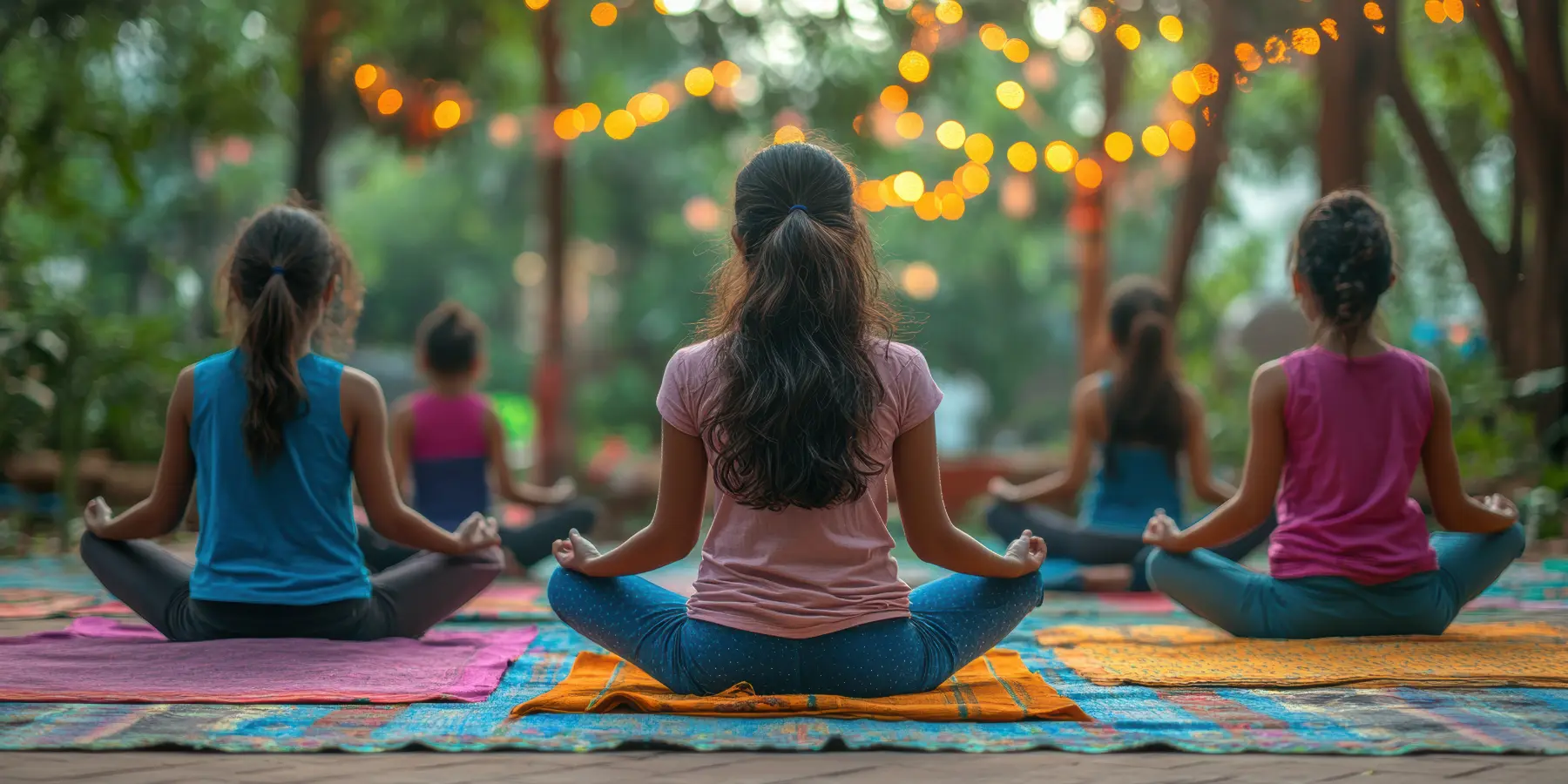
Meditation (Dhyana) is the art of doing nothing and being still, calming your mind. It is one of the eight limbs of Ashtanga Yoga. A technique to train your mind to detach from attention and awareness. The more stillness you can achieve through consistent practice, the more mental clarity and emotional stability can be achieved.
Benefits: Researchers have found that while we are asleep our oxygen consumption falls around 8% for roughly 4-5 hours whereas during meditation it falls to an average of 10-20% in the first 5 minutes. The brain waves slow down from alpha-beta waves to delta-theta waves, a stage where healing and regeneration happen.
Particular asanas called as meditation asanas are taught to achieve steadiness and stillness in the body to experience meditation without discomfort. A straight spine is mandatory to dive into deep meditation and only Meditation asanas can fulfil this requirement. In higher meditation stages, body stillness without conscious effort is required as the practitioner loses muscle control.
Some of the meditation asanas for beginners:
- Sukhasana
- Ardha Padmasana
- Padmasana
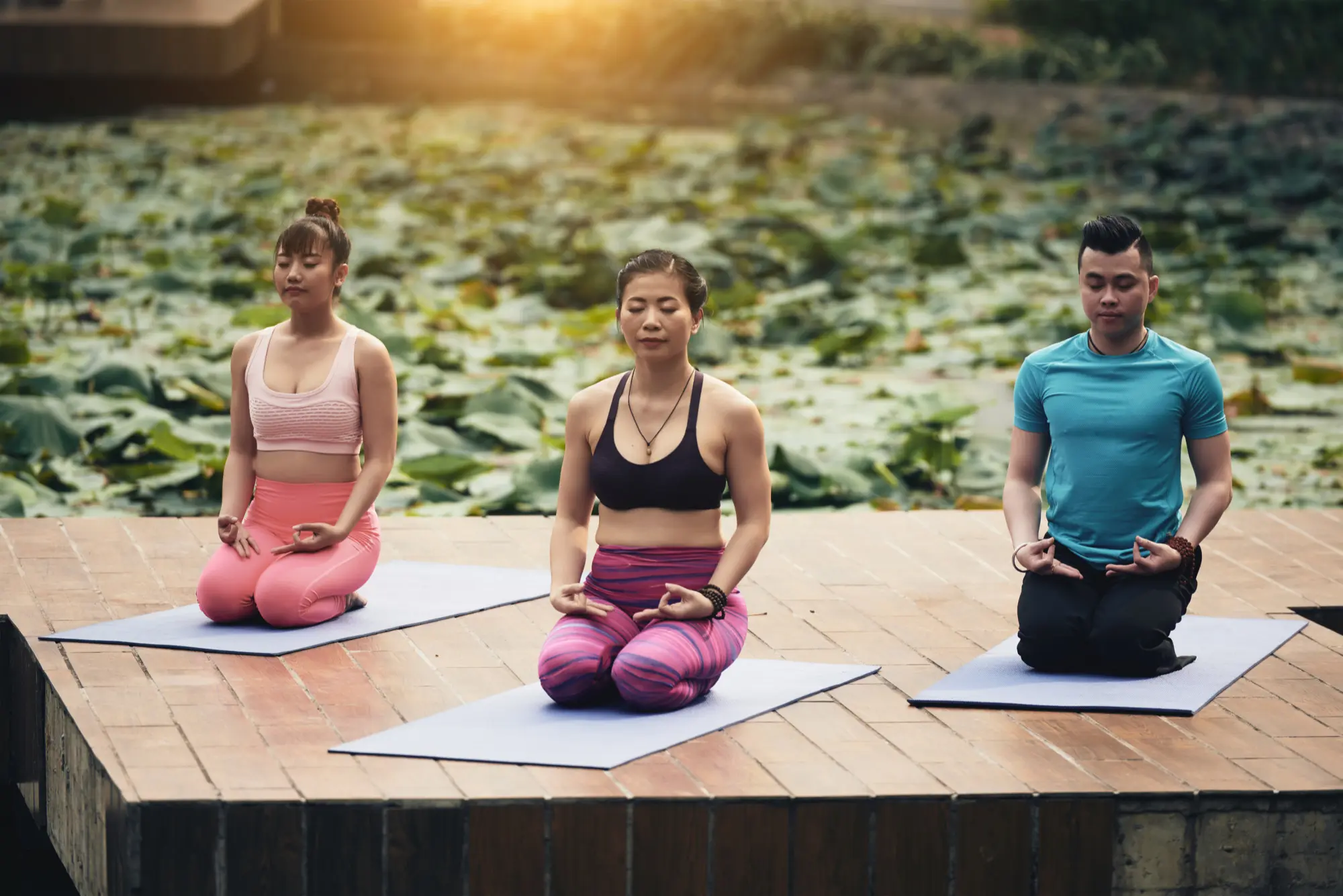
- Vajrasana (also used by Zen Buddhists & Muslims)
- Dhyana Veerasana
TIPS
- When we are conditioned to live in a constant active state, Meditation must be considered a practice.
- With time and consistency, the art of stillness can be achieved
- Take small steps and gradually increase the duration
- Sit in the most comfortable position with the erected spine
- Avoid meditation immediately after meals, prefer early morning time – 1hour before sunrise with no distractions
- Allow your emotions to pass through, observe them and avoid suppressing it
- Let the mind wander, but bring it back gently
- Most importantly every everyone’s journey will be different, so avoid comparing and do not attach any yield within a timeframe. It’s the journey that matters, eventually, results will follow.
You are never too late to experience this eternal science of living, take small steps towards conscious and mindful living.
“If you want to experience or learn Yoga and meditation join/register with us at Yog School of India”