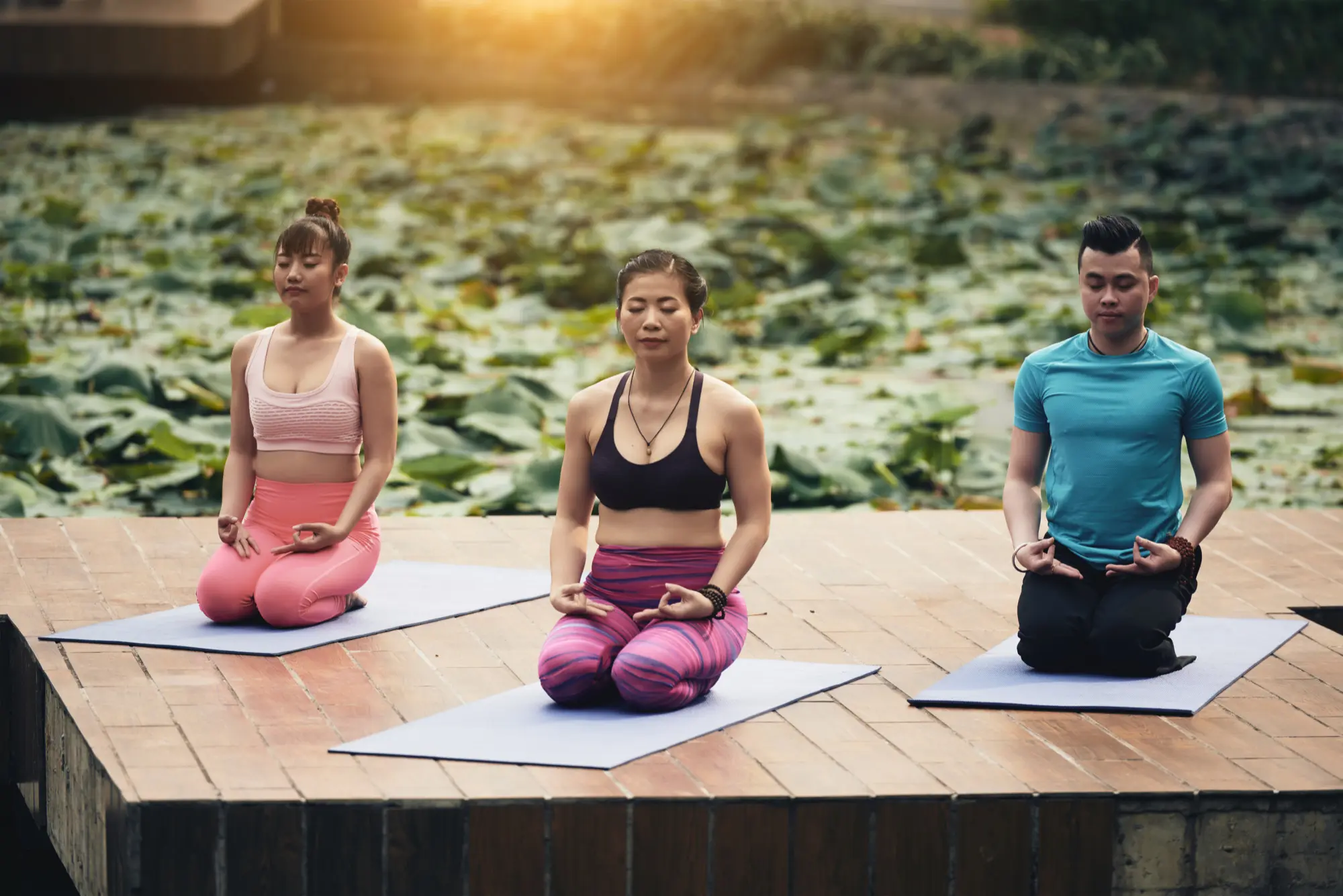

Yoga has been practiced for thousands of years, but beyond its physical perks, it offers powerful mental health benefits of yoga that are often overlooked. Whether you’re curious about how does yoga benefit mental health or wondering if yoga is good for mental health, this ancient practice is a gentle yet effective way to nurture your mind.
Let’s explore 10 meaningful ways yoga improves mental wellbeing, including the often underappreciated benefits of chair yoga for mental health, especially for those who need a gentler approach. By the end, you’ll understand how does yoga improve mental health and why many experts believe in its benefits for overall mental health.
1. Reduces Stress and Lowers Cortisol
Stress is a big culprit behind many mental health issues. Yoga’s combination of deep breathing, mindful movement, and meditation helps lower cortisol, the primary stress hormone in our bodies. This not only calms the mind during practice but also creates a lasting sense of relaxation that carries through daily life.
2. Enhances Mood and Combats Depression
Yoga encourages the production of mood-boosting brain chemicals like serotonin and endorphins. Regular practice can reduce symptoms of depression by improving brain chemistry and bringing emotional balance. So, if you’re asking, is yoga good for mental health? The answer is a strong yes.
3. Improves Anxiety Management
Anxiety often spirals when the mind races uncontrollably. Yoga’s focus on breath control and mindfulness teaches you to stay present, which significantly reduces anxious thoughts. Techniques involved in yoga slow the heart rate and promote a grounded feeling that helps manage anxiety.
4. Boosts Mental Clarity and Focus
Wondering how does yoga benefit mental health beyond mood? Yoga enhances concentration and mental clarity by encouraging a focused mind during practice. This boost improves productivity and helps you navigate daily challenges with clearer thinking.
5. Promotes Better Sleep Quality
If you struggle with restless nights, yoga can help. Relaxing postures and calming breathwork signal your nervous system to prepare for rest, leading to improved sleep quality. Restorative yoga styles, including those done seated, like chair yoga, ease the transition to peaceful sleep.
6. Builds Emotional Resilience
Yoga teaches emotional balance by encouraging non-judgmental awareness of your feelings. This mindfulness practice builds resilience, allowing you to respond calmly to stressful situations rather than reacting impulsively.
7. Connects Mind and Body
The deep focus on bodily sensations in yoga strengthens the mind-body connection, a foundation for self-awareness and emotional regulation. This connection helps you tune in to stress signals early, promoting proactive mental health care.
8. The Benefits of Chair Yoga for Mental Health
Not everyone can jump into a full yoga routine easily. Chair yoga, which modifies poses for seated practice, stands out as a gentle option with many similar benefits. It is especially good for older adults or those with physical limitations, helping reduce anxiety, improve mood, and foster a sense of community.
9. Calms the Nervous System
Yoga activates the parasympathetic nervous system (often called the “rest and digest” system), which counteracts the “fight or flight” stress response. This calming effect slows heart rate, relaxes muscles, and creates a deep sense of calm, critical for mental health maintenance.
10. Encourages Healthy Lifestyle Changes
By promoting mindfulness, yoga supports better decision-making in daily life, like improved sleep habits, nutrition, and exercise consistency, all of which contribute to enhanced mental well-being over time.
Which Yoga is Best for Mental Health?
You might wonder which yoga is best for mental health. Here are a few types that stand out:
| Yoga Style | Key Focus | Benefits for Mental Health | Suitable For |
| Hatha Yoga | Slow-paced, basic postures | Promotes relaxation, reduces stress, improves mood | Beginners, those seeking calm |
| Restorative Yoga | Supported poses, long holds | Deep relaxation, anxiety relief, and emotional calming | Stress-prone individuals, seniors |
| Vinyasa Yoga | Flowing sequences, breath control | Enhances focus, mental clarity, and emotional stability | Those wanting active mindfulness |
| Chair Yoga | Seated poses, gentle movements | Improves mood, reduces anxiety, accessible for all | Older adults, physical limitations |
| Kundalini Yoga | Breathwork, chanting, meditation | Emotional release, spiritual connection, stress relief | Those interested in spiritual practices |
Each person’s journey is unique, so exploring different types can help you find the best fit for your mental health needs.
How to Get Started with Yoga for Mental Health
Getting started with yoga for mental health can be a transformative experience, even if you’re a complete beginner. The key is to approach it gradually, with patience and openness, so that you can truly enjoy the mental health benefits of yoga. Here are some practical tips to help you:
1. Start Small and Be Consistent
For beginners, consistency matters more than intensity. Aim to practice yoga 3-4 times a week for at least 15-30 minutes. Regular practice helps build a habit, making it easier to experience the mental health benefits, such as reduced stress and improved mood, over time.
2. Focus on Mindfulness and Breath
Initially, the emphasis should be on mindfulness, being present in the moment, and breath control (Pranayama). These techniques are foundational to experiencing how does yoga benefits mental health and are accessible for everyone, even with limited physical ability.
3. Choose Gentle and Beginner-Friendly Styles
Start with styles designed for beginners, such as Hatha yoga or restorative yoga. These styles focus on simple poses and slow movements, which help calm the mind without overwhelming your body. Chair yoga is also an excellent option for those with mobility issues or who prefer seated practice.
4. Use Guided Resources
There are plenty of beginner-friendly resources to help you learn safely and confidently:
- Yoga apps like Down Dog, Glo, or Yoga for Beginners provide structured routines tailored for beginners.
- Online videos on platforms like YouTube (channels like Yoga with Adriene or Fightmaster Yoga) offer free, step-by-step guidance.
- Local yoga classes can provide personalized guidance and a sense of community.
5. Set Realistic Expectations
Many people wonder what to expect in their first few sessions:
- You might feel awkward or unsure of poses; that’s normal.
- Initial sessions may produce some muscle soreness or fatigue, but the mental calmness you’ll experience will quickly become apparent.
- Focus on the process, not perfection. Yoga is about awareness, not athleticism.
6. Create a Peaceful Space
Find a quiet, comfortable corner in your home where you won’t be distracted. Keep your yoga mat and any props (pillows, cushions) nearby. Lighting some candles or playing soft music can help create a peaceful ambiance conducive to mental relaxation.
Recommended Resources for Beginners
| Resource Type | Recommendations |
| Yoga Apps | Down Dog, Glo, Yoga for Beginners |
| YouTube Channels | Yoga with Adriene, Fightmaster Yoga |
| Books | “The Heart of Yoga” by T.K.V. Desikachar, “The Key Musings of a Yoga Practitioner” |
| Local Classes | Find beginner classes at yoga studios or community centers |
Scientific Evidence Supporting Yoga’s Mental Health Benefits
Recent scientific studies provide compelling evidence that yoga significantly enhances mental health and well-being. A 2025 study involving college students showed that an 8-week yoga intervention reduced stress by 45%, depression by 30%, and anxiety symptoms considerably, while improving heart rate variability and activating the parasympathetic nervous system, the body’s natural “rest and digest” mode that promotes calmness and recovery.
Another 10-week intervention with medical students found yoga practice improved emotional regulation, quality of sleep, and overall quality of life while markedly reducing stress, anxiety, and depression levels. These findings highlight yoga’s role in improving mood and resilience.
Furthermore, brain imaging research reveals that consistent yoga practice physically alters brain structure, increasing thickness and connectivity in areas responsible for memory, emotional regulation, and cognitive function. Such changes may help counteract age-related cognitive decline and enhance mental clarity and focus.
Together, these studies confirm that yoga is much more than physical exercise; it is a profound mind-body practice that improves mental health through physiological and neurological pathways.
Final Thoughts
The benefits of yoga for overall mental health are undeniable when practiced consistently. Whether you’re new to yoga or looking to deepen your practice, the mental health advantages, from stress relief to enhanced emotional resilience, make it a valuable tool for lifelong wellbeing.
Yoga is accessible, adaptable, and gentle enough for everyone, including those benefiting from the unique benefits of chair yoga for mental health.
So next time you ask, how does yoga improve mental health? Just remember, it’s much more than just exercise. It’s a path to a calmer, clearer, and healthier mind.