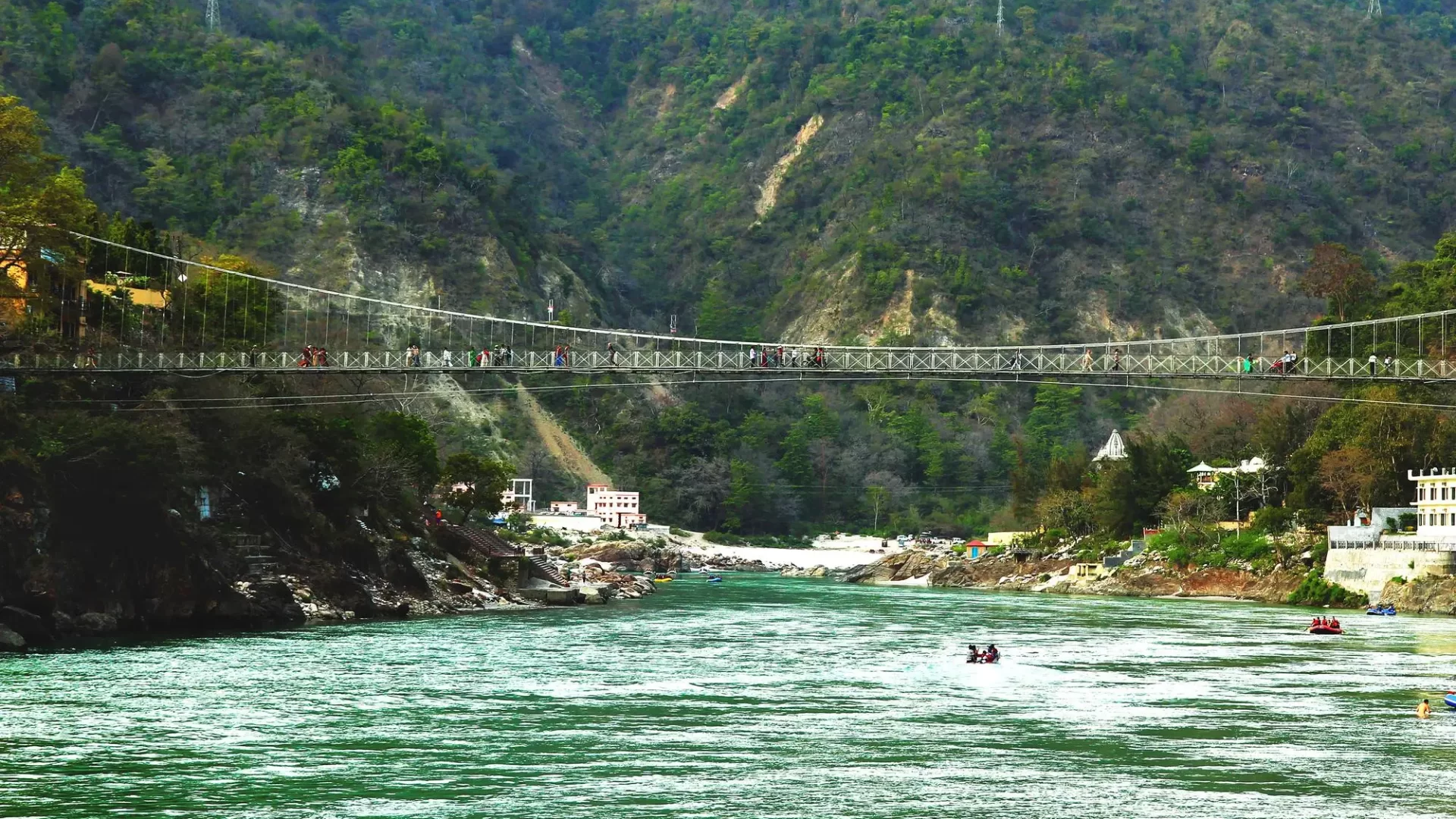

Life often moves fast, and somewhere between work, responsibilities, and daily noise, it becomes easy to feel mentally tired or disconnected. A visit to Rishikesh feels different from the moment you arrive. The sound of the Ganga, the fresh mountain air, and the slower pace of the town naturally calm the mind.
Known as the yoga capital of the world, this small Himalayan city has attracted seekers, teachers, and travelers for decades who come here to experience authentic yoga and meditation. People join yoga and meditation in Rishikesh not only for physical fitness but also for clarity and balance.
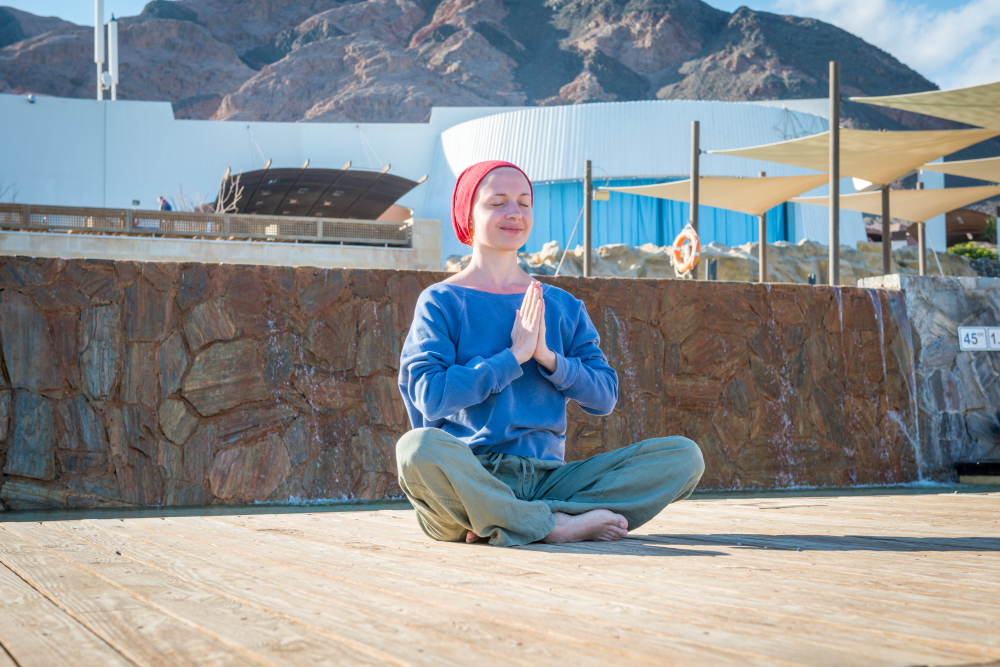
With simple routines, early mornings, and regular practice, even a short stay, whether for a yoga retreat or yoga teacher training in Rishikesh, often brings a deeper sense of stability, focus, and inner peace.
Why Rishikesh Is Known as the Yoga Capital of the World
Rishikesh is widely known as the Yoga Capital of the World because yoga here is not just a fitness activity, it is part of daily life. For centuries, saints, sages, and spiritual teachers have chosen this quiet Himalayan town as a place for meditation, self-study, and simple living. The peaceful surroundings, the steady flow of the Ganga, and the slower pace of life naturally support focus and inner reflection, which are essential for yoga practice.
Over time, many traditional ashrams and authentic yoga schools in Rishikesh opened their doors to students from India and abroad. People began traveling here to learn authentic yoga, pranayama, meditation, and philosophy directly from experienced teachers. Annual gatherings and training programs now attract thousands of seekers every year, creating a strong global yoga community.
Because of this deep history, living tradition, and constant flow of learners, Rishikesh earned its reputation as the world’s most trusted destination for yoga and meditation.
The Spiritual Energy of Rishikesh- More Than Just a Destination
A few days in Rishikesh feel very different from a normal trip. The town moves slowly. Shops open early, people head to the river, and many start the day with yoga or quiet time instead of rushing to work. Even as a visitor, you begin to follow the same pace without trying too hard.
The feeling people call “spiritual energy” is not something mysterious. It comes from the lifestyle here. For years, students, teachers, and monks have lived simple routines focused on practice, study, and self-discipline. When you stay in an environment like this, your mind naturally becomes calmer. Less noise, fewer distractions, and more time outdoors make it easier to focus on yourself.
That’s why Rishikesh doesn’t feel like a typical tourist spot. People don’t just come to see places, they come to reset, reflect, and return home feeling lighter and clearer. In that way, the town becomes more than a destination; it becomes part of your personal journey
How Yoga in Rishikesh Goes Beyond Physical Postures
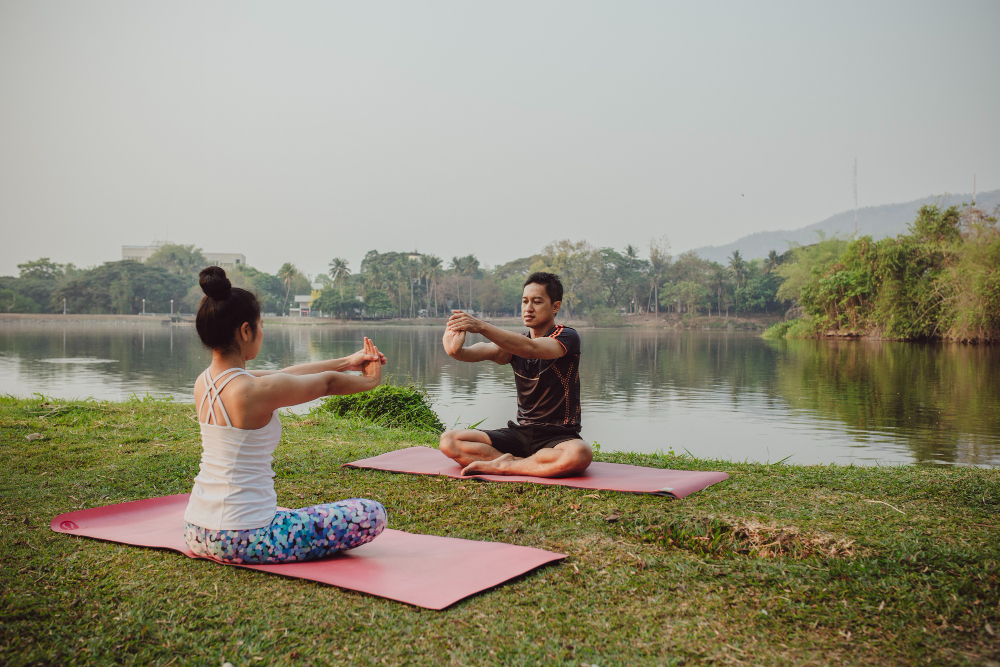
Many people first think of yoga as stretching or exercise. But in Rishikesh, practice goes much deeper. Along with postures, people work with breath, simple routines, and basic self-reflection, which slowly change both the body and the mind.
Traditional Hatha Yoga Practice
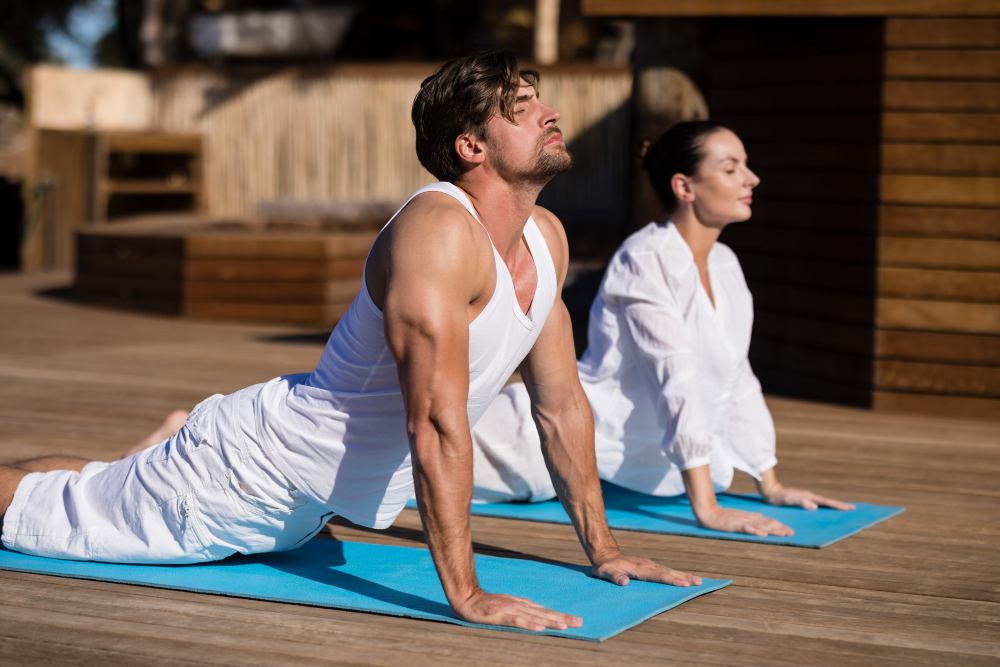
Most classes follow traditional Hatha yoga. The pace is slow and steady. Poses are held longer, and teachers pay attention to alignment and posture correction. There is no rush to complete many asanas. Instead, the focus stays on doing fewer poses properly. This builds strength and flexibility in a safe way. Over time, people become more aware of how their body moves and where they hold tension.
Pranayama and Breath Regulation
Breathing practices are part of the daily routine. Techniques like alternate nostril breathing (Nadi Shodhana) or slow deep breaths may look simple, but they make a big difference. They help calm the mind and reduce stress. After pranayama, many feel lighter and more focused. It becomes easier to sit quietly or meditate without distraction.
Philosophy and Self-Inquiry
Yoga in Rishikesh also includes basic philosophy. Short talks or discussions explain how yoga relates to everyday life, not only to the mat. Ideas like awareness, discipline, and balance encourage people to observe their thoughts and habits. This makes the practice more practical and personal.
Mantra and Sound Healing
Chanting or soft sound practices are sometimes included. Repeating a mantra together creates a steady vibration and helps the mind settle down. You don’t need any special skill for this. Even sitting quietly and listening can feel calming. It’s a simple way to relax and feel more grounded.
The Role of Meditation (Dhyana) in Finding Inner Peace
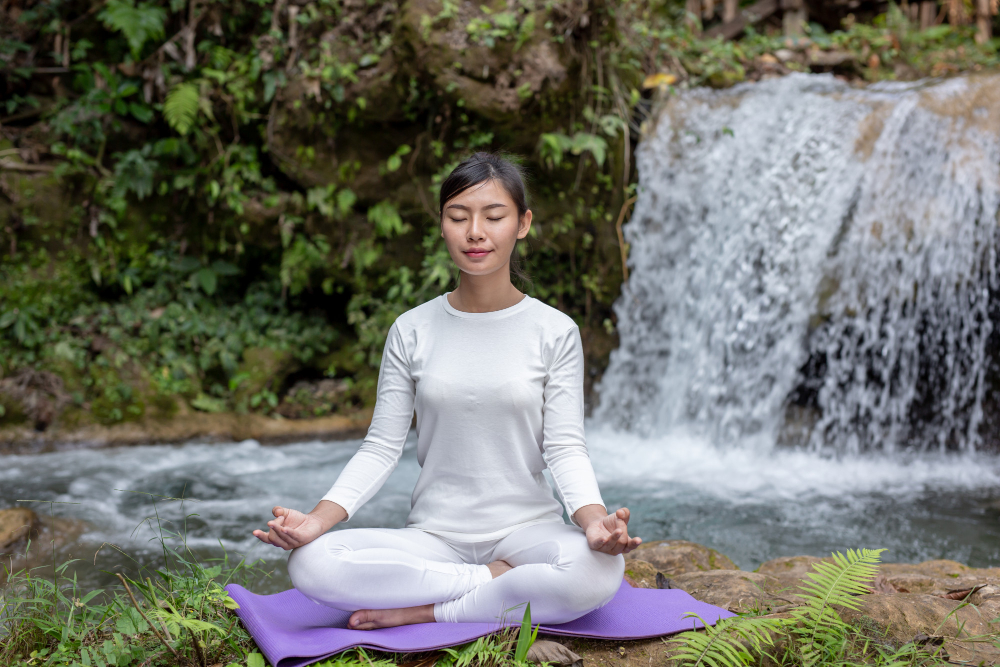
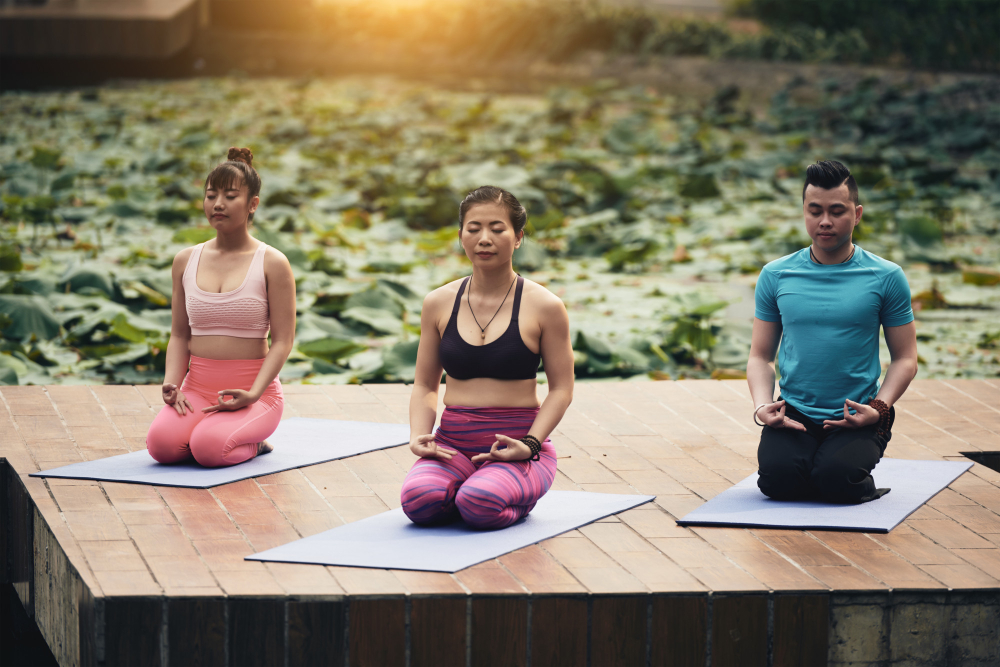
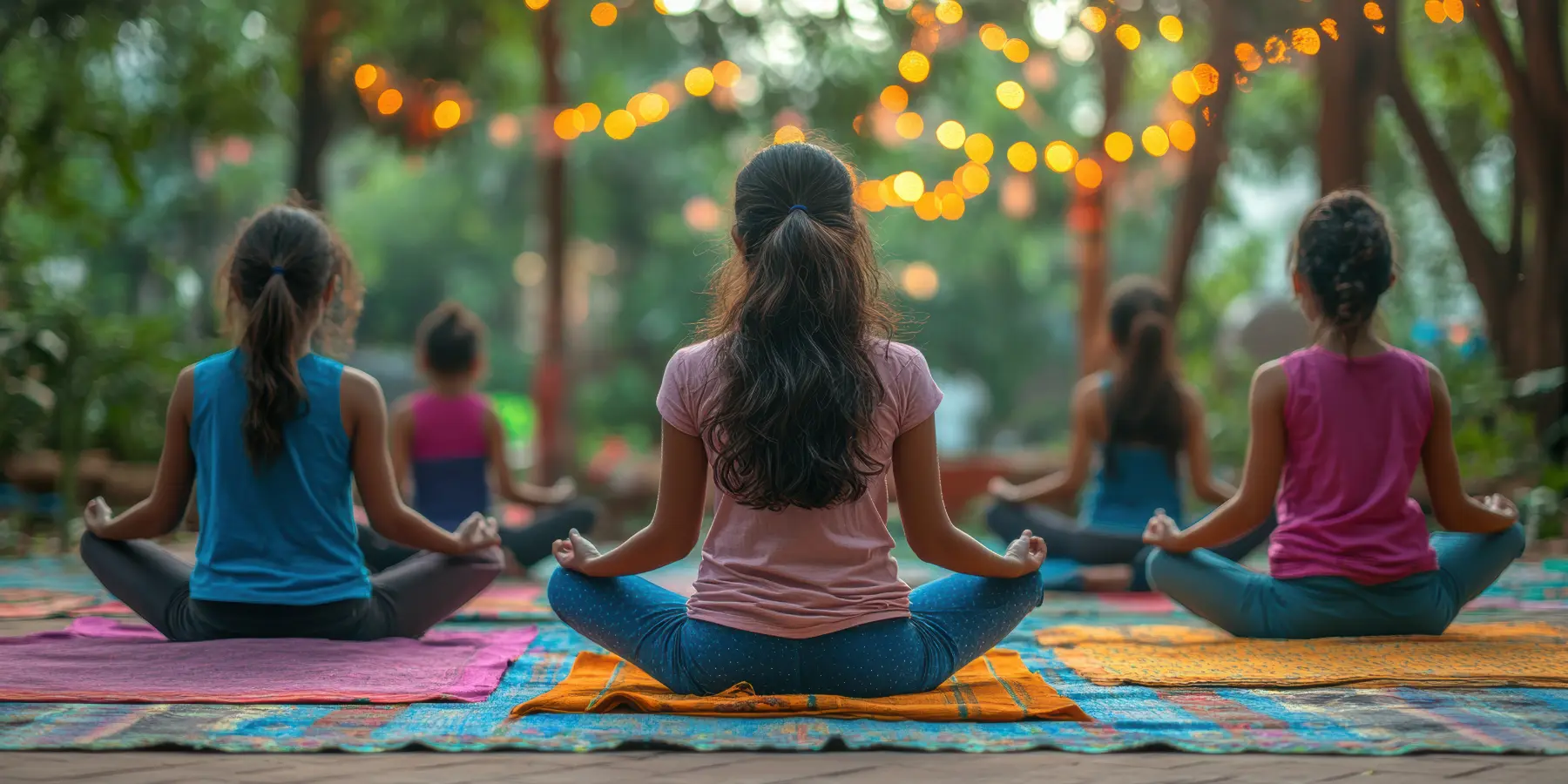
Meditation, or Dhyana, is an important part of yoga practice in Rishikesh. While yoga postures work on the body, meditation works on the mind. It gives time to slow down, sit quietly, and simply observe what is happening within.
In many places, meditation feels difficult because daily life is full of noise and distractions. In Rishikesh, the surroundings naturally support silence. Early mornings, fresh air, and fewer disturbances make it easier to sit calmly and focus on the breath. Even a short session can bring a sense of mental clarity.
Regular meditation helps reduce overthinking and emotional stress. Thoughts still come and go, but the mind reacts less. With time, patience improves, sleep becomes better, and small problems feel easier to handle. The change is gradual, but noticeable.
So meditation here stays simple. No special technique or pressure. Just sitting in silence and focusing on the breath for a few minutes. Over time, this small habit helps you feel calmer and more steady.
Scientific Benefits of Practicing Yoga and Meditation in a Natural Environment
Practicing yoga and meditation outdoors, especially in a quiet place like Rishikesh, supports both physical and mental health. Fresh air improves oxygen intake, which helps breathing become deeper and steadier during asana and pranayama. Better breathing supports heart function and increases overall energy levels.
Natural surroundings also affect the nervous system. Time spent near rivers, trees, and open spaces lowers stress hormones like cortisol and helps the body shift into a relaxed state. This makes it easier to focus during meditation and recover from fatigue. Many people notice slower heart rate, reduced blood pressure, and better sleep after just a few days of regular practice.
Sunlight and outdoor movement also help regulate the body clock. Morning exposure to natural light improves mood and supports healthy sleep cycles. When yoga and meditation are practiced daily in such an environment, concentration improves, anxiety reduces, and the mind feels more stable.
Why Practicing in Rishikesh Accelerates Transformation
Practice often feels different in Rishikesh because the environment supports focus without extra effort. Daily life here is simple. Days start early, meals are light, and there are fewer distractions compared to busy cities. This regular routine helps the body and mind adjust faster to yoga and meditation.
Regular practice, done at the same time each day, builds consistency. Instead of squeezing yoga into a tight schedule, there is enough time to move slowly, breathe properly, and rest when needed. This allows better recovery and slow and even progress.
The surroundings also play a role. Quiet streets, fresh air, and natural spaces reduce mental noise. With fewer interruptions from phones, traffic, and work stress, attention stays on the practice itself. Because of this, even small efforts feel more effective.
With a simple routine and fewer distractions, practice becomes consistent. The body gains flexibility, the mind stays calmer, and small changes add up day by day. Many people feel the difference within a short stay.
Who Should Come to Rishikesh for Yoga and Meditation?
Rishikesh welcomes people at every stage of their yoga journey. Whether you are a beginner, a regular practitioner, or simply looking for mental rest, yoga and meditation here suit different needs and goals. The calm setting and daily routine make it easier to learn, practice, and focus.
- Beginners who want to start yoga slowly: If you are new to yoga or meditation, the calm environment makes learning easier. Classes usually move at a comfortable pace, and there is time to understand the basics without pressure.
- People feeling stressed or mentally tired: A few days away from noise, traffic, and screens can help reset the mind. Simple practices like breathing exercises and meditation help reduce stress and improve sleep.
- Those looking for a structured routine: Early mornings, regular meals, and fixed practice times help build discipline. This routine supports consistency, which is often hard to maintain at home.
- Yoga practitioners who want to deepen their practice: If you already practice yoga, spending time here helps refine alignment, breathing, and focus. Without distractions, it’s easier to pay attention to small details.
- Anyone interested in traditional learning: Many places still follow classical methods that include asana, pranayama, meditation, and basic philosophy. This gives a more complete understanding of yoga beyond exercise.
- People seeking quiet time for themselves: Sometimes the goal is simply to pause, reflect, and step away from daily responsibilities. Rishikesh offers that space naturally.
What to Expect from a Yoga and Meditation Program in Rishikesh
A yoga and meditation program in Rishikesh usually follows a simple and fixed daily routine. The focus stays on regular practice, healthy food, and enough rest. Days are structured but not rushed, which helps you stay consistent and focused without feeling tired.
- Early morning start: Most days begin early, often around sunrise. Morning time feels quiet and fresh, which makes it easier to practice yoga and meditation with a clear mind.
- Daily yoga sessions: One or two classes are held each day. These may include traditional asanas, stretching, and posture correction. The pace is steady so the body can adjust safely.
- Breathing and meditation practice: Pranayama and seated meditation are part of the schedule. These sessions help calm the mind, improve concentration, and reduce stress.
- Simple vegetarian meals: Food is usually light and home-style. Fresh, vegetarian meals support digestion and help you feel active during practice.
- Time for rest and self-study: There is free time between sessions. You can relax, read, walk near the river, or sit quietly. This balance prevents burnout and keeps the day comfortable.
- Limited distractions: Life here is slower. Less traffic, less noise, and fewer digital distractions help you stay present and focused on your routine.
How to Choose the Right Yoga School in Rishikesh

Finding the right yoga school in Rishikesh takes a little thought. The town has many centres, retreats, and training programs, so choices can feel overwhelming. A clear plan helps. Instead of looking for fancy facilities or big promises, focus on quality teaching, a steady routine, and an environment that supports real practice.
- Check your goal first: Decide why you want to come. A short yoga retreat, daily meditation, or a full yoga teacher training all require different programs. Choose a school that matches your purpose.
- Look at the teachers: Experienced teachers explain clearly, correct posture safely, and give personal attention. Their knowledge and attitude matter more than marketing.
- Review the course structure: A good program follows a fixed schedule with yoga, pranayama, meditation, and rest. Balanced days help the body and mind adapt naturally.
- Observe the environment: Clean rooms, simple food, and a quiet setting make practice easier. Too many distractions reduce focus.
- Read real feedback: Past student reviews give useful insight into teaching quality, discipline, and daily life at the school.
- Trust how the place feels: After research, listen to your instinct. If the school feels genuine and organized, it is likely the right choice.
Frequently Asked Questions About Yoga and Meditation in Rishikesh
Is it safe to practice yoga and meditation in Rishikesh?
Yes, it is generally safe. Rishikesh has been welcoming yoga practitioners for many years and is used to visitors from India and abroad. Most schools follow simple rules, fixed schedules, and guided classes. Choosing a well-run and responsible place makes the experience comfortable and secure.
Do I need to be flexible before joining?
No. Flexibility is not required. Yoga helps you become flexible over time. You start at your own level and improve step by step. Stiffness or lack of experience is completely normal.
What if I find meditation difficult?
That is common. Many people struggle at first. Meditation is not about stopping thoughts but learning to sit quietly and observe them. With daily practice and guidance, it slowly becomes easier and more natural.
How long should I stay for yoga or meditation?
It depends on your goal. A few days work well for rest and basic exposure. One to two weeks allow deeper practice. Longer stays are helpful if you want serious study or teacher training. Choose a duration that fits your schedule and energy.
Begin Your Journey Toward Inner Peace in Rishikesh
Daily responsibilities, noise, and constant activity leave very little time to slow down. A stay in Rishikesh gives you that pause. The calm surroundings, fresh air, and simple routine make it easier to focus on yourself. With regular yoga and meditation, the body relaxes, breathing becomes steady, and the mind feels clearer. Small changes begin to show naturally.
If you want proper guidance and a structured practice, learning at a trusted place helps. Yog School India follows traditional methods and offers a steady daily schedule, which supports both beginners and serious practitioners. Sometimes, a quiet place and consistent practice are all you need to feel balanced again.